Regional termite populations reflect climate, soil moisture, wood availability, and historical introduction patterns. The same visual damage—hollowed wood, mud tubes, or frass piles—can originate from species with entirely different nesting behaviors, moisture needs, and treatment vulnerabilities. Subterranean termites nest in soil and forage through mud tubes, so effective treatment targets the soil-structure interface with liquid termiticides or bait stations. Drywood termites live entirely inside wood without ground contact, making soil treatments irrelevant; localized spot treatments or whole-structure fumigation become the primary options. Dampwood termites require both wood treatment and elimination of the moisture source that allowed colonization. Formosan termites build large aerial colonies, reproduce faster than native subterranean species, and can breach treated zones more quickly, which changes both the treatment chemistry and the monitoring interval.
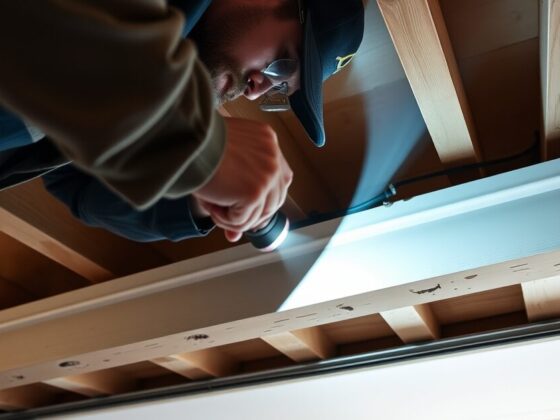
Understanding which species are common in your region helps you recognize risk factors—such as wood-to-soil contact in subterranean zones or untreated lumber storage in drywood areas—but does not replace professional identification. A licensed inspector uses species-specific behavior, soldier head shape, wing venation, and frass characteristics to confirm identity during a termite inspection, then matches treatment to the confirmed species and your property’s construction, soil type, and infestation extent. Treatment planning also incorporates state pesticide regulations, label restrictions, and whether your structure allows subslab injection, trench-and-treat perimeter application, or requires above-ground bait stations. You can use the Treatment Comparison tool to see how methods differ by species and application type, but final treatment selection belongs to the licensed professional who inspects your property and holds the pesticide applicator credentials required in your state.
## Core variables that change the answer
Termite species drives treatment planning because biology determines where colonies live, how they access structures, and which control methods work. A subterranean colony in soil requires different intervention than drywood termites living entirely inside wood. Regional climate, soil moisture, and construction practices layer onto species behavior, creating local treatment patterns that don’t transfer across state lines.
Species identification changes three treatment variables immediately: application method, monitoring strategy, and reinfestation risk. Eastern subterranean termites (Reticulitermes flavipes) in the Southeast maintain large soil colonies and require either liquid termiticide soil barriers or in-ground bait stations. Formosan termites (Coptotermes formosanus) in Gulf Coast states build aerial colonies in wall voids when moisture is present, often requiring both soil treatment and above-ground applications. Drywood termites (Incisitermes and Cryptotermes species) in California, Florida, and coastal areas need localized wood treatment or whole-structure fumigation because no soil connection exists.
Foundation type and soil contact change access and application zones. Slab foundations limit treatment to exterior perimeter trenching and interior drilling at plumbing penetrations. Crawlspace foundations allow interior soil treatment and direct wood inspection, but moisture control becomes part of the treatment plan when subterranean species are present. Basements in northern states reduce subterranean termite pressure but don’t eliminate it—Reticulitermes species remain active in the Midwest and Mid-Atlantic even where frost occurs.
Moisture history and current conditions separate active infestations from conducive environments. Subterranean termites require consistent moisture, so a recent roof leak, grading issue, or plumbing failure often precedes visible activity. Drywood termites tolerate low moisture and infest sound wood, meaning discovery usually happens during kickout pellet accumulation or swarm events rather than water-damage inspections. Treatment planning for subterranean species includes moisture correction; drywood treatment focuses on locating all colonies within the structure.
Local termite pressure—measured by swarm reports, adjacent infestations, and soil type—affects monitoring intervals and preventive treatment decisions. High-pressure zones in the Southeast, Texas, Southern California, and Hawaii justify annual inspections and proactive soil treatments even without visible evidence. Low-pressure areas in arid or northern climates may warrant inspection only during property transfer or after construction changes that increase wood-soil contact.
Treatment history and warranty language determine whether retreatment, warranty transfer, or new application is appropriate. An existing liquid barrier may still provide protection if applied within the last five years and no soil disturbance occurred. Bait systems require active monitoring; lapsed service voids coverage. Property sale context often triggers reinspection requirements and disclosure obligations that vary by state, making species confirmation and treatment documentation part of the transaction record rather than optional background detail.
Why Treatment Methods Change by Species and Region
No single termite treatment works equally well for every species or geography. Subterranean termites in soil-contact zones respond to liquid barriers and bait systems because their colonies depend on ground moisture and foraging tunnels. Drywood termites inside attic framing or furniture have no soil connection, so soil treatments accomplish nothing—fumigation or localized wood treatment becomes necessary. Dampwood termites in coastal regions with high humidity concentrate in water-damaged wood, making moisture correction and targeted removal more effective than broad chemical applications. A treatment plan built for Eastern subterranean termites will fail against Formosan colonies, which build above-ground nests and require different active ingredients, application volumes, and monitoring intervals.
Liquid termiticides create continuous chemical barriers in soil around foundations, preventing subterranean termites from entering structures or reaching existing colonies. Non-repellent products like fipronil allow termites to pass through treated zones and transfer the active ingredient to nestmates, while repellent formulations such as bifenthrin block entry but do not eliminate colonies. Both approaches require proper soil saturation, trench depth, and rod spacing—variables that change with soil type, foundation design, and local water tables. In sandy soils common to the Southeast, higher application volumes may be necessary to maintain barrier integrity. Clay-heavy soils in the Midwest hold termiticides longer but complicate even distribution. Product labels specify minimum gallons per linear foot and maximum intervals between treatments, typically five to ten years depending on the active ingredient and environmental conditions.
Bait systems use cellulose monitors and slow-acting insect growth regulators to eliminate entire colonies over weeks or months. They work well for species with predictable foraging patterns—Eastern and Western subterranean termites—but require patience and regular inspections. Formosan termites, with larger colonies and faster consumption rates, may need more bait stations and shorter monitoring cycles. Drywood termites do not forage through soil, so bait systems offer no value. Installation involves placing stations every ten to twenty feet around the perimeter, checking quarterly until activity appears, then replacing monitors with active bait. This method avoids interior drilling and chemical application but depends on termites finding stations before causing structural damage.
Fumigation encloses the entire structure under a gas-tight tarp and introduces sulfuryl fluoride or methyl bromide, which penetrates all wood and kills drywood termites at every life stage. It is the only reliable option for widespread drywood infestations in attics, walls, and furniture, common in California, Arizona, and Florida. The process requires vacating the home for 24 to 72 hours, removing plants and medications, and hiring a licensed fumigation company. Fumigation does not prevent reinfestation—it eliminates current colonies but leaves no residual protection. Localized treatments using foam, dust, or injectable termiticides work for isolated drywood galleries when the infestation is small and accessible, but they require accurate detection and often miss satellite colonies.
Regional regulations, pesticide-registration differences, and seasonal activity windows further shape treatment planning. Some states restrict certain active ingredients or require licensed applicators for all termiticide applications. Coastal areas with year-round termite activity allow flexible treatment timing, while northern regions see limited swarm windows and frozen ground that delays soil treatments. Matching the treatment mechanism to the species, structure type, infestation extent, and local conditions produces better outcomes than applying a single method everywhere.
What You Can Do Before Calling a Professional
You cannot identify termite species from photographs alone, and you should not attempt treatment without a licensed inspection. What you can do is document visible evidence, organize property records, and prepare questions that help a local inspector assess your situation faster and more accurately.
Document What You See
Take clear, close-up photographs of any mud tubes, damaged wood, discarded wings, or frass piles. Note the location—interior wall, exterior foundation, crawlspace beam, garage door frame—and measure the affected area if possible. If you see live insects, photograph them near a coin or ruler for scale. Do not disturb mud tubes or probe damaged wood with tools; you may spread contamination or obscure evidence the inspector needs to evaluate species behavior and colony access points.
Record the date and time of any swarms you observe. Subterranean termites typically swarm in spring during daylight hours after rain, while drywood termites swarm in late summer or fall, often at dusk. Dampwood termites swarm in summer evenings near moisture sources. These timing patterns help narrow the species range before the inspector arrives, which can change the equipment and treatment methods brought to the appointment.
Gather Property and Treatment Records
Locate any previous termite inspection reports, treatment contracts, warranty documents, or seller disclosures from your home purchase. If the property was treated in the past, note the treatment type—liquid barrier, bait stations, fumigation, localized injection—and the year it was performed. Subterranean termite treatments often include renewable monitoring or retreatment clauses; drywood fumigation typically does not. Knowing what was done before helps the inspector assess whether you are seeing a new infestation, a different species, or a failure of prior treatment.
If you have made structural changes—added a deck, regraded soil, installed irrigation, replaced siding—note the dates. These modifications can create new termite entry points or moisture conditions that were not present during earlier inspections.
Prepare Region-Specific Questions
Ask the inspector which termite species are active in your area and whether your home’s construction increases risk for any of them. Slab foundations in the Southeast face different subterranean termite pressure than pier-and-beam homes in California drywood zones. Ask whether the inspector will check all three risk zones—soil-to-wood contact points, above-grade wood in attics and eaves, and moisture-prone areas like crawlspaces and bathrooms.
Request a written report that identifies the species if evidence is found, maps the infestation locations, and explains why a specific treatment method is recommended over alternatives. Our treatment comparison tool can help you evaluate options once you have the inspector’s species identification and site assessment, but it cannot replace the on-site judgment that determines whether your situation requires a soil treatment, a localized injection, or a whole-structure fumigation.
If no active infestation is found, ask whether preventive monitoring is standard practice in your region and what that service includes. You are gathering the context you need to make an informed decision, not diagnosing the problem yourself.