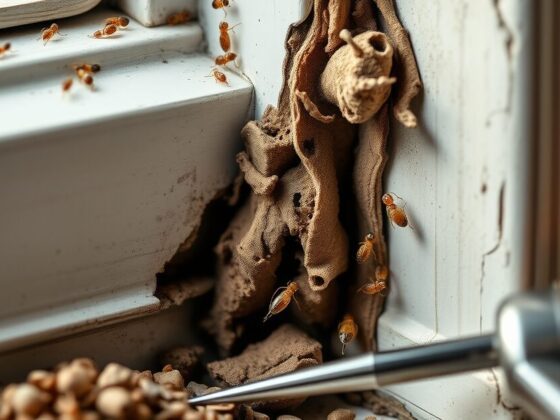
The confusion between termite larvae and workers stems from a shared visual trait—both appear pale, soft, and small—but their roles, development stages, and locations within the colony differ significantly. Larvae are juveniles still undergoing molts and differentiation, while workers are mature adults performing all foraging, feeding, and construction tasks. Homeowners who discover termites in damaged wood, mud tubes, or swarmer debris almost always encounter workers, not larvae, because workers are the caste responsible for above-ground activity and structural damage. Larvae stay deep within the nest, surrounded by workers and soldiers, and are only visible when a colony is physically excavated or during laboratory dissection.
Understanding this distinction matters for three reasons: it clarifies what you’re actually observing during a suspected infestation, it prevents misinterpretation of colony maturity based on insect size alone, and it helps you communicate accurately with inspectors. A report of “tiny white termites” could describe newly molted workers, larvae in a disturbed nest, or even pseudergates (a worker-like form in some species). Licensed inspectors use body structure, mandible shape, movement patterns, and context to differentiate castes and life stages—details that are difficult to assess without magnification and species knowledge. Travis Gates, a structural pest control operator with field experience across subterranean and drywood species, notes that most homeowner photos labeled “larvae” show workers, because larvae are almost never exposed during typical discovery scenarios like broken drywall, kicked baseboards, or opened mud tubes.
You can safely observe and photograph any termites you find, but do not assume size or color indicates a specific life stage without professional confirmation. Both larvae and workers require the same response: stop disturbing the area, document what you see, and arrange a licensed inspection within days. The presence of either caste signals an active colony, and accurate identification of species and treatment need depends on inspector access to live specimens, damage patterns, and site conditions—not homeowner classification of individual insects.
## What Changes Whether You’re Looking at a Larva or a Worker
The difference between termite larvae and workers isn’t subjective—it’s developmental biology. But what you’re actually looking at when you find small, pale insects near damaged wood depends on timing, species, and where the colony sits in its growth cycle. Most homeowners misidentify these castes because the variables that matter aren’t visible without magnification or context clues from the surrounding evidence.
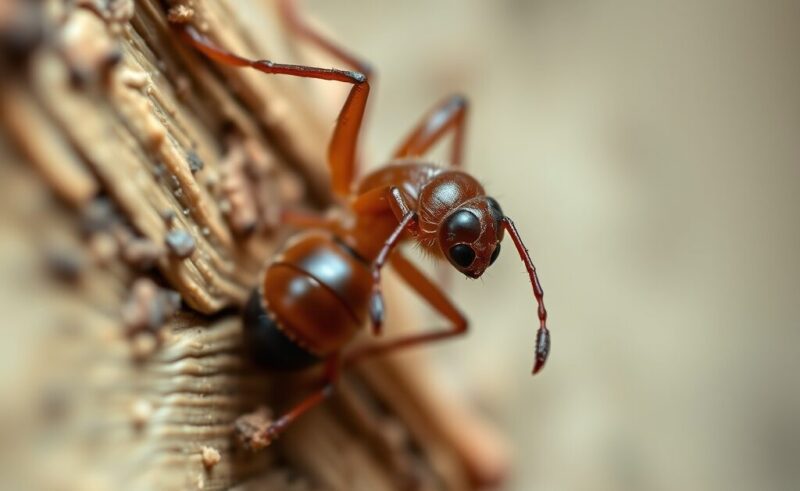
Termite larvae are immature nymphs in early molts, typically 1–3 mm long, translucent to pale white, with minimal pigmentation and soft, underdeveloped body segments. Workers are mature members of the sterile caste, usually 3–6 mm depending on species, with fully formed mandibles, segmented bodies, and consistent coloration. The confusion happens because both are pale, both avoid light, and both appear in damaged wood—but workers are doing the feeding, and larvae are being fed by workers in brood chambers deeper in the colony.
Species changes the likelihood of what you’ll encounter during casual inspection. Subterranean termites (Reticulitermes species across most of the U.S., Coptotermes in warmer zones) keep larvae in soil-connected galleries where moisture and temperature stay stable. You’re far more likely to see workers in damaged wood, mud tubes, or exploratory tunnels. Drywood termites (Incisitermes, Cryptotermes) nest entirely inside wood and keep larvae within the same galleries where workers feed, so breaking into an active drywood gallery may expose both castes together, along with frass and eggs.
Moisture level and access shape what you find. Subterranean workers move between soil and wood to maintain humidity for the brood. If you open a wall cavity or pull back siding and find active insects, they’re almost always workers unless you’ve broken directly into a brood chamber near the soil line. Drywood colonies are drier and more compact—larvae stay near the heartwood where workers have chewed feeding galleries. If you see insects inside wood you’ve just split or near kickout holes, size and mobility tell you which caste you’re observing.
Colony age matters. A new subterranean colony may have fewer than 100 individuals in the first year, with most energy going to brood care. Mature colonies (3–5 years old for Reticulitermes, faster for Coptotermes) have thousands of workers and continuous larval production. During a home inspection, the presence of larvae signals an established, reproducing colony with stable conditions—not a random swarm that landed last week.
If you’re trying to identify what you found during a termite inspection or while investigating signs of infestation, the caste matters less than the confirmation of live activity. Both larvae and workers mean the colony is present, feeding, and requires professional evaluation. The developmental stage doesn’t change treatment needs, but it does confirm the infestation isn’t historical. More detail on how species-specific biology affects identification is available through our termite species guide, and our expert team reviews caste identification protocols using university extension resources and NPMA professional standards outlined in our source methodology.
What to Do Before You Call a Professional
When you spot small white insects near wood or suspect termite activity, your first job is to document what you see—not to diagnose it. Homeowners frequently confuse termite larvae with workers because both are pale, soft-bodied, and found in similar locations. The difference matters for inspection scope and treatment timing, but field identification requires magnification and experience most property owners don’t have. Your goal is to gather useful information a licensed inspector can act on, not to confirm the species yourself.
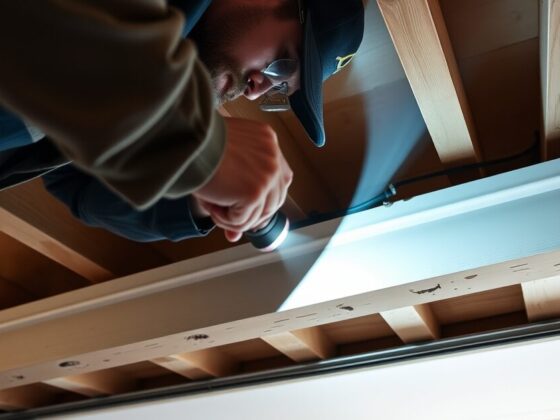
Start by photographing any visible insects, damaged wood, mud tubes, or frass piles. Use your phone’s macro mode or a clip-on lens if available. Capture the location (foundation wall, window frame, subfloor access), the context (near plumbing, exterior soil contact, previous repair), and close-ups of the insects themselves. Do not disturb active tubes or break open galleries—you may scatter the colony or destroy evidence the inspector needs to assess activity level and entry points.
Note the date, time of day, and environmental conditions. Were the insects swarming near a light? Did you find them after rain or irrigation? Were they inside damaged wood, on the surface, or trailing along a mud tube? These details help the inspector distinguish between active infestation, old damage with secondary pests, or a neighboring colony that hasn’t yet entered the structure. If you see winged insects, try to collect a few in a sealed plastic bag or pill bottle with a small piece of damp paper towel—intact specimens make identification faster and more reliable.
Gather your property records before the inspection. Pull any previous termite inspection reports, treatment contracts, pest-control service logs, and builder warranties. If you’ve had wood-destroying organism (WDO) inspections during past real-estate transactions, include those. Mark on a simple floor plan where you’ve seen activity, where you’ve made repairs, and where you’ve noticed new staining, sagging, or hollow-sounding wood. This prep work shortens the inspection and improves accuracy, especially in homes with crawl spaces, slab edges, or complex framing.
Prepare a short list of questions based on what you’ve observed. Ask about the species, the likely entry points, whether the activity is current or old, and what monitoring or treatment options fit your situation. If you’re unsure whether you saw larvae, workers, or another insect entirely, say so—inspectors expect uncertainty and use it to focus their examination. Understanding your own observational limits makes the consultation more productive and keeps you from acting on misidentified insects or overstating the urgency of a problem that may not exist yet.
When Licensed Judgment Changes the Identification Outcome
Most homeowner misidentifications between termite larvae and workers resolve themselves during a licensed inspection, but the professional decision point isn’t just visual confirmation—it’s determining whether the specimens represent an active colony, a seasonal swarm event, or residual evidence from a treated structure. Travis Gates, a structural pest control specialist with field experience across subterranean and drywood species, notes that the most consequential misidentifications occur when homeowners delay inspection because they assume pale insects near wood are “just baby termites that haven’t matured yet,” not recognizing that workers are already mature and feeding.
A licensed inspector changes the outcome in three specific situations. First, when you find pale insects inside finished walls or near plumbing penetrations, the inspector uses moisture meters, thermal imaging, and species-specific behavior patterns to distinguish between a localized drywood gallery and subterranean mud-tube activity—variables invisible to homeowners comparing photos online. Second, when you observe insects during a real-estate transaction or refinance appraisal, the inspector’s report determines whether the finding triggers a treatment contingency, a monitoring recommendation, or documentation of prior treatment with no current activity. Third, when you see repeated sightings over weeks or months, the professional distinguishes between a persistent colony requiring soil treatment or fumigation and a seasonal pattern that indicates swarmers from a neighbor’s property with no established colony in your structure.
The high-stakes moment isn’t the initial sighting—it’s the gap between observation and professional routing. Homeowners who photograph specimens, note the location and date, and schedule inspection within 7–10 days typically receive treatment before colony expansion or additional damage. Homeowners who monitor casually or attempt DIY species identification for weeks often face larger treatment footprints and higher costs, particularly with drywood termites where early localized treatment (spot treatment or heat) becomes whole-structure fumigation once multiple galleries establish.
If you’re uncertain whether you’re observing larvae, workers, or another insect entirely, the correct route is a licensed termite inspection with species confirmation and written documentation. Most inspections cost $75–$150 as standalone services, or are included free with treatment estimates in competitive markets. You can assess your baseline risk before scheduling using the Termite Risk Score, but visual confirmation of live insects near wood always justifies professional evaluation regardless of score. For more on how TermiteHQ sources and reviews professional guidance, see our Source Methodology and Expert Review Policy.