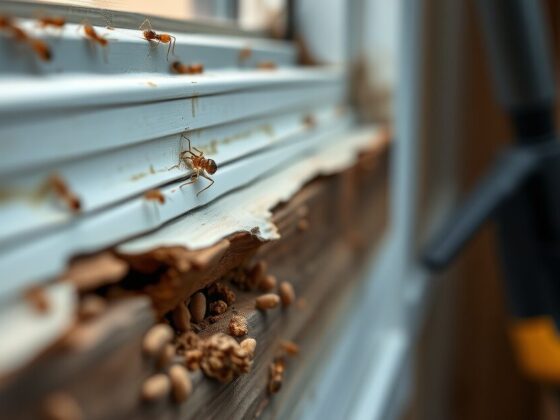
The phrase “previous activity” appears frequently in pre-sale termite reports, and it often creates confusion during real estate transactions. Unlike “active infestation,” which requires immediate treatment and typically halts or delays closing, previous activity is a historical marker. The inspector is documenting physical evidence—mud shelter tubes that have dried and crumbled, wood with hollowed galleries but no frass or moisture, or drill holes and rodding patterns that indicate a past liquid treatment. The condition does not automatically disqualify a property, but it does require context.
What matters most is the type of evidence, its location, and whether the seller can produce treatment records. If the report notes previous activity near the foundation but includes a copy of a liquid termiticide treatment performed three years ago by a licensed company, and the warranty is transferable, the risk profile is different than finding unexplained damage in floor joists with no documentation. Subterranean termites, the species responsible for most structural damage in the United States, can re-infest treated areas if the chemical barrier degrades, if conducive conditions return, or if the original treatment was incomplete. Drywood termites leave different evidence—kick-out holes and pellet piles—and past activity may indicate a localized colony that was spot-treated or fumigated.
Buyers cannot determine treatment success or future risk from the report alone. The inspector’s role is to document visible conditions at the time of the visit, not to predict whether termites will return or whether prior treatment was effective. That assessment requires treatment records, warranty details, and in some cases, a second opinion or monitoring plan. Understanding the difference between what the report shows and what only a licensed professional can evaluate helps buyers avoid both unwarranted alarm and unexamined risk. For property-level risk context before or after an inspection, see the Termite Risk Score tool and review TermiteHQ’s source methodology for how we evaluate inspection and treatment standards.
What Changes the Meaning of “Previous Activity” on Your Report
A termite report that notes “previous activity” without current evidence can mean different things depending on several structural and environmental variables. The species involved, the type of evidence found, the age of that evidence, and the property’s construction all affect whether previous activity is a minor historical note or a signal that conditions still favor re-infestation.
Subterranean termites—the most common group in the U.S.—leave behind mud tubes, damaged wood, and frass in crawl spaces, basements, and wall voids. If the inspector finds old, dry mud tubes that crumble when touched and no live termites or fresh moisture, that suggests the colony moved on or was treated years ago. If the tubes are intact but empty, and the wood shows older damage with no new galleries, the infestation likely ended. But if the report also notes high moisture in the crawl space, poor drainage, or wood-to-soil contact, the conditions that attracted termites originally are still present, and re-infestation risk remains elevated even if no live insects were found during the inspection.
Drywood termites leave different evidence. Inspectors find kick-out holes, frass piles that look like sand or coffee grounds, and internal galleries in attic framing, window sills, or furniture. Previous drywood activity is easier to date if the frass is old, the holes are sealed with paint, and the wood is stable. But drywood colonies are small, slow, and hidden, so an inspector may note previous damage in one area while missing an active colony in another part of the structure. In states with high drywood pressure—California, Florida, Hawaii, and parts of the Gulf Coast—previous activity often means the property has been treated before and may need monitoring or a retreatment warranty.
Foundation type and access also change the picture. Slab-on-grade homes limit visual inspection to the perimeter and attic, so inspectors rely on exterior evidence and may miss concealed damage. Homes with full basements or accessible crawl spaces allow closer examination of sill plates, floor joists, and support posts, which makes it easier to distinguish old damage from current risk. If the report lists inaccessible areas and notes previous activity in the sections that were visible, you should assume the full extent of past infestation is unknown.
Treatment history matters. If the seller provides records showing a liquid termiticide treatment or bait system installation within the past five years, and the report shows no new activity, that’s a stronger position than previous damage with no documentation. If the property has a transferable warranty that covers re-infestation, the risk shifts to the treatment company. If there’s no warranty or the coverage expired, you’re buying the property with the same conditions that supported termites before.
Local termite pressure—mapped by the USDA Forest Service and reflected in building codes—also affects interpretation. In high-pressure zones, previous activity is common and expected. In moderate or low-pressure areas, it may indicate a specific moisture problem, landscape contact, or construction defect that should be corrected regardless of current termite presence. You can review regional risk patterns using the TermiteHQ Infestation Map and compare treatment options through the Treatment Comparison tool.
What You Can Do Before Calling a Professional
When a termite report notes previous activity, you can gather useful information before scheduling follow-up inspections or negotiations. These steps help you ask better questions and understand what documentation already exists, but they do not replace a licensed inspector’s assessment of current risk.
Start by collecting every termite-related document the seller provides. Look for the original treatment contract, completion certificates, warranty paperwork, and any follow-up inspection reports. Treatment records should include the date, the company name, the active ingredient used, the application method (liquid barrier, bait stations, fumigation), and the areas treated. If the seller mentions a warranty, confirm whether it transferred with ownership or expired. Many soil treatments carry multi-year warranties, but coverage often requires annual renewals and may not transfer automatically.
Review the current inspection report carefully. Note where the inspector found evidence of previous activity—mud tubes on foundation walls, damaged framing in a crawlspace, or old galleries in attic wood. Compare those locations to the treatment records. If the report shows previous damage in the garage but the treatment contract only covered the main structure, that gap matters. If the inspector could not access certain areas—sealed crawlspaces, finished basements, or areas blocked by storage—note those limitations. Inaccessible zones are common disclosure points and may require separate evaluation.
Walk the property’s exterior and interior with the report in hand, but do not disturb suspected damage or probe wood yourself. Look for visible mud tubes along the foundation, discolored drywall, sagging floors, or hollow-sounding baseboards near the areas the report mentions. Take dated photos of anything that matches the inspector’s descriptions. If you see active mud tubes—moist, pliable, and intact—or fresh frass piles near wood, document those separately and prioritize a follow-up inspection. Our signs of infestation guide explains what active evidence looks like compared to old damage.
Prepare a short list of questions for your inspector or a second opinion. Ask whether the previous treatment method matches the species identified, whether the treatment zone covered all vulnerable areas, and whether any structural repairs were completed after treatment. If the seller cannot provide treatment records, ask the inspector whether they can identify the treatment type from physical evidence—such as drill holes in a slab, bait station markers in the yard, or labeled access ports. You can also request an estimate for monitoring or retreatment if the existing warranty has lapsed.
Understand what you cannot determine on your own. You cannot assess whether old damage is cosmetic or structural without an engineer’s review. You cannot confirm that a previous treatment eliminated the colony or prevented reinfection without soil testing or follow-up inspections. You cannot evaluate whether the seller’s disclosure matches the physical evidence without comparing the report to local transfer-of-ownership standards, which vary by state. Use our Termite Risk Score tool to see how your property’s location, construction type, and inspection findings combine into an overall risk profile, then bring that context into your next conversation with a licensed professional.
When to Bring in a Second Inspector or Structural Engineer
A termite report that documents previous activity but no current infestation creates a judgment call that depends on the inspector’s experience, the clarity of visible evidence, and the stakes of the transaction. Licensed inspectors differ in how they interpret old mud tubes, staining patterns, and repair history—especially when access is limited or treatment records are incomplete.
If the report shows previous activity in multiple zones, mentions inaccessible subfloor areas, or notes structural repairs without confirming the original damage extent, a second inspection from a different company can clarify whether the first inspector had full visibility or made conservative assumptions. This is not about distrust—it’s about resolving ambiguity before closing. Some inspectors probe more aggressively, use moisture meters in tight crawlspaces, or request access to attic framing that a first visit skipped.
When the report mentions previous activity near load-bearing members—floor joists, sill plates, support posts—but does not quantify structural impact, a licensed structural engineer provides the assessment a pest inspector cannot. Pest inspectors identify termite presence and visible damage; engineers calculate whether compromised wood still meets load requirements or needs reinforcement. This distinction matters during price negotiations and repair-cost planning, particularly in older homes where multiple treatment cycles may have masked ongoing degradation.
Robert Trawick, a board-certified entomologist who has reviewed thousands of pre-sale termite reports, notes that “previous activity” language often reflects the inspector’s liability position as much as the biology. If mud tubes are dry but wood damage is extensive, some inspectors will not call it active without live insects—even when conditions suggest recent feeding. In high-risk geographies or homes with known subterranean termite pressure, that conservative call may understate ongoing risk, and a second opinion from an inspector willing to open wall voids or trench around the foundation can change the finding.
Before ordering a second inspection, ask the original inspector specific questions: Were all crawlspace piers examined? Was the attic framing accessed? Were moisture readings taken in areas showing staining? If the answers reveal limited access or visual-only assessment, a more invasive follow-up is justified. If the seller cannot provide treatment records or warranties, that absence alone supports additional due diligence, particularly if your termite risk score is moderate or high.
TermiteHQ’s expert review process and source methodology ensure that professional decision points like these reflect field standards, not generic caution. When a report sits between clear and unclear, the cost of a second inspection or engineer consultation is almost always smaller than the cost of discovering active damage after closing.