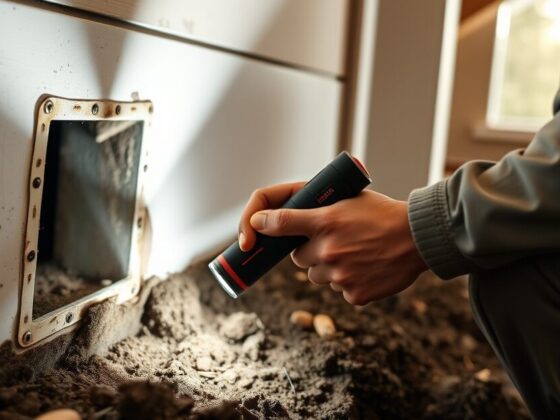
Termite colonies do not hibernate. Subterranean workers continue foraging below the frost line during winter in northern climates, and in southern states with mild winters, surface activity may never stop. The seasonal question matters less for the termites themselves and more for what the inspector can observe and what your timeline requires. Swarmers—winged reproductives that leave the colony to start new ones—typically emerge in spring when soil temperatures rise and humidity increases, making that season the easiest time to spot fresh evidence. Discarded wings near windowsills, mud tubes on foundation walls that weren’t visible in winter, and increased foraging near moisture sources all become more apparent as temperatures climb.
Real-estate inspections follow contract deadlines, not seasonal preferences. If your purchase agreement requires a termite inspection within ten days of mutual acceptance, the inspector works in whatever season the transaction occurs. Licensed inspectors are trained to identify termite evidence in all conditions, including winter, when active swarmers are absent but structural damage, old mud tubes, and frass remain detectable. For homeowners scheduling voluntary inspections, spring timing increases the chance of catching early-stage infestations before they expand during summer, but waiting for spring is not necessary if you’ve already noticed signs of infestation or if your home is in a high-risk zone.
This section establishes what seasonal timing affects and what it does not. TermiteHQ cannot tell you whether to delay an inspection—that depends on transaction requirements, visible evidence, prior treatment history, and local termite pressure, all of which require input from a state-licensed inspector. The sections that follow explain how seasonal biology, regional climate differences, and inspection logistics interact, so you can coordinate timing with your inspector based on your property’s specific conditions and your own schedule constraints.
Core Variables That Change the Answer
The best time for a termite inspection depends more on your property’s situation than on the calendar. While seasonal activity patterns matter, several concrete variables shift the timing decision in ways that override general seasonal advice.
Species pressure changes the urgency window. Subterranean termites swarm predictably—typically March through June in most U.S. regions—and inspectors find fresh mud tubes and active feeding signs most easily during and immediately after swarm season when colonies expand. Drywood termites swarm later, often late summer through fall in coastal states, and their activity inside wood remains consistent year-round since they don’t depend on soil contact. Formosan termites swarm at dusk on warm, humid evenings from April through June and build colonies large enough to cause measurable damage within months rather than years. If you’re in a high-Formosan zone like coastal Louisiana or southern Texas, inspection timing tightens regardless of season. You can check local species pressure using the TermiteHQ Infestation Map.
Moisture events compress the decision timeline. A roof leak, plumbing failure, or flooding episode creates conditions that attract subterranean termites and accelerates wood decay that both subterranean and drywood species exploit. If moisture intrusion occurred within the past 90 days, schedule an inspection within that same window rather than waiting for ideal seasonal conditions. Inspectors look for conducive conditions—not just live termites—and moisture damage appears faster than seasonal activity cycles.
Real-estate transaction deadlines override seasonal optimization entirely. Most purchase agreements allow 10 to 17 days for inspections, and lenders in 11 states require a termite clearance letter before closing. You schedule the inspection when the contract requires it, not when swarm season or inspector availability is most convenient. Robert Trawick, a licensed inspector with two decades of field experience, notes that real-estate inspections during winter months in northern states often require follow-up visits in spring when concealed areas become accessible and activity signs are easier to confirm.
Treatment history and warranty language also matter. If your property was treated within the past five years and you hold an active warranty, your contract likely specifies annual or biennial inspection schedules. Those intervals exist because re-infestation risk peaks 18 to 36 months after treatment as soil treatments degrade and termites probe for gaps. Missing a scheduled inspection can void coverage, and the warranty’s timing requirements override seasonal preferences. For properties without treatment history, the timing decision returns to species risk, moisture events, and whether you need documentation for a transaction or insurance claim.
What You Can Do Before Scheduling an Inspection
Before contacting a professional, you can gather useful information that helps you ask better questions and understand what the inspector will need to evaluate. This preparation does not replace a licensed inspection, but it gives you a clearer picture of your property’s termite exposure and any visible clues that warrant attention.
Start by walking the perimeter of your home and documenting any visible wood damage, mud tubes on foundation walls, or soft spots in exposed framing. Take dated photos with a smartphone, noting the location of each observation. Look for discarded wings near windowsills or door frames during spring and summer months—these indicate recent swarming activity. Check crawl spaces, basements, and attics if you can access them safely, but do not remove insulation, disturb structural members, or enter confined spaces without proper ventilation and support.
Collect any previous termite inspection reports, treatment records, or warranty documents you received when you purchased the property or hired a pest-control company in the past. These records show the inspector what was treated, when, and with which active ingredients. If you are preparing for a real-estate transaction, gather the seller’s disclosure and any wood-destroying organism reports already on file. Robert Trawick, a licensed inspector who has reviewed thousands of pre-sale reports, notes that prior treatment history often changes the scope of a follow-up inspection, especially when bond renewals or warranty transfers are involved.
Prepare a short list of questions based on your property’s construction type, soil conditions, and any moisture problems you have noticed. Ask the inspector whether your region has active subterranean termite populations year-round or whether drywood termites are also a concern. If you have seen signs of infestation during a specific season, mention the timing—it may help the inspector determine which termite species is most likely present and whether immediate treatment is necessary or whether monitoring is appropriate.
Understand the limits of self-assessment: you cannot see inside wall voids, identify species from damaged wood alone, or determine whether an active colony is present without specialized tools and training. Do not apply pesticides, remove mud tubes, or attempt to treat wood yourself before the inspection. Disturbing evidence can make it harder for the inspector to assess the extent of activity and may interfere with treatment planning. Use the Termite Risk Score tool to estimate your property’s baseline exposure, but treat the result as context for a professional evaluation, not a substitute for one.
When Professional Judgment Changes the Timing Decision
Most seasonal timing questions resolve to local termite biology and property access, but three situations shift the decision from calendar convenience to professional routing: real-estate transactions with contract deadlines, visible damage that suggests active feeding, and properties with prior treatment histories where reinfestation timing matters for warranty or liability documentation.
In real-estate contexts, inspection timing follows contract language and state disclosure requirements, not pest activity cycles. A January closing in Minnesota still requires inspection even though subterranean termites are dormant, because the report documents structural condition at transfer. Licensed inspectors trained in winter evidence recognition—mud tubes with moisture retention, frass below exit holes, probe-test hollow damage—can assess risk without observing live swarmers. Robert Trawick, a North Carolina-licensed inspector who reviews TermiteHQ real-estate content, notes that buyers often assume spring inspections catch more problems, but winter reports frequently reveal older damage that summer foliage or seller preparation might obscure. Contract timelines control scheduling, and most purchase agreements allow 7–14 days for inspection completion regardless of season.
Visible damage moves timing from “when should I schedule” to “schedule this week.” Sagging floors, blistered paint near foundations, or mud tubes on exterior walls indicate feeding that may be months or years old, and seasonal wait strategies no longer apply. A licensed inspector determines whether the damage is active, estimates colony maturity, and identifies whether the infestation is localized or distributed across multiple building sections. That assessment—not the season—determines treatment urgency and method selection. Properties with visible damage in fall or winter still require immediate professional evaluation, because structural risk does not pause during dormancy.
Prior treatment history adds a third decision layer. If a property received soil termiticide treatment within the past five years, reinspection timing should align with product-label reapplication intervals and any transferable warranty terms. Many liquid termiticides carry 5-year reapplication labels, and bait system contracts specify annual monitoring visits. Missing a scheduled reinspection can void warranty coverage or create documentation gaps that complicate future claims. In these cases, the inspection schedule follows the treatment record and contract terms, not seasonal activity patterns.
For general guidance on what inspectors evaluate across seasons, see the main termite inspection overview. Readers managing properties in high-activity regions can compare local risk using the Termite Risk Score tool, and those evaluating treatment timing after an inspection can review options in the treatment comparison guide. Professional judgment, contract obligations, and visible evidence override seasonal optimization in every high-stakes scenario.