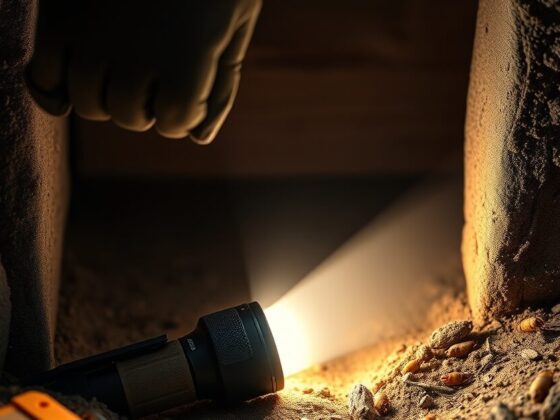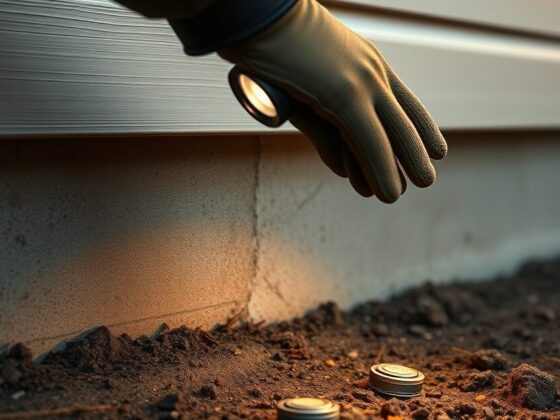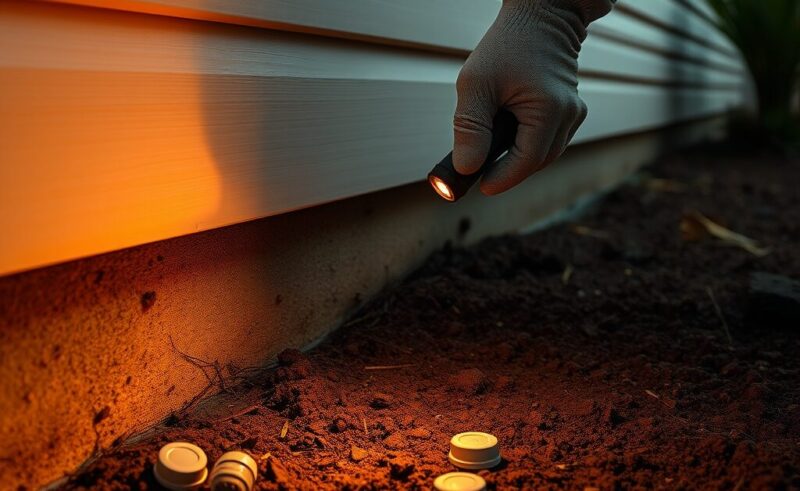
Homeowners, buyers, and property managers often discover small piles of tan, brown, or black granular material below window sills, door frames, attic beams, or furniture and immediately search for clarity on what produced it. The distinction matters because drywood termites, carpenter ants, and wood-boring beetles occupy wood differently, spread at different rates, and require different treatment methods. Misidentifying frass as sawdust can delay necessary treatment during a real-estate transaction or allow a localized infestation to expand into structural members. Misidentifying sawdust as frass can trigger unnecessary alarm and costly inspections when the actual source is old construction debris or a non-termite wood-destroyer that may not require immediate whole-structure treatment.
You can safely observe frass characteristics, photograph the material and the exit holes, and note the location and volume without disturbing the wood. What you cannot do from visual inspection alone is confirm the species, determine whether the colony is active, estimate the extent of internal damage, or decide on a treatment method. That requires a licensed termite inspection, often with moisture meters, borescopes, or probing tools to assess hidden galleries. If you’re under contract to buy or sell a property, or if you’re managing a commercial building where frass has appeared in multiple units, route findings to a state-licensed inspector before attempting any treatment or repair. Robert Trawick, a licensed inspector and TermiteHQ contributor, notes that in real-estate contexts, even small frass piles near structural wood can shift negotiation leverage or trigger lender-required treatment, so early professional documentation protects all parties and keeps transactions on schedule.
## Core variables that change the answer
Whether you’re looking at termite droppings or sawdust depends on termite species, wood moisture, location of the pile, pellet shape and uniformity, and whether you’re in a real-estate transaction. These variables change what the material means and what you do next.
Drywood termites produce hard, six-sided pellets called frass that they kick out of galleries through small exit holes. The pellets are uniform, dry, and often accumulate in small piles below the kickout hole. Subterranean termites don’t produce pellets—they use their own waste to build mud tubes and seal galleries, so any pile near subterranean activity is more likely sawdust, construction debris, or another wood-boring insect. If you see pellet-shaped material near ground level or a concrete slab, you’re probably not looking at drywood frass.
Wood moisture changes pellet appearance. Drywood frass stays dry and free-flowing in attics, wall voids, and furniture. Dampwood termites, common in the Pacific Northwest and coastal areas, produce larger, irregular pellets that may stick together when wood moisture is high. Sawdust from carpenter ants or wood-boring beetles often contains insect body parts, is coarser, and doesn’t form the clean six-sided shape that drywood termites produce.
Pile location matters. Drywood frass appears below exit holes in wood trim, rafters, furniture legs, or window frames—anywhere the colony is actively clearing galleries. Sawdust from construction, furniture assembly, or drilling appears near recent work and lacks the kickout hole above it. If the pile sits on a concrete floor near a baseboard with no hole above, it’s more likely construction debris or powder-post beetle frass than drywood termite activity.
Pellet uniformity is the clearest separator. Drywood frass pellets are consistently six-sided, about 1 millimeter long, and range from tan to dark brown depending on the wood the termites are eating. Sawdust is irregular, fibrous, and varies in particle size. University extension guides from the University of California and Texas A&M describe the six-sided shape as diagnostic for drywood termites when combined with a kickout hole.
Real-estate and inspection context changes urgency. If you’re in a sale inspection and the report lists “suspected drywood frass,” the inspector is documenting evidence that requires further evaluation or treatment negotiation. If you’re a homeowner who just noticed a small pile under a window frame, you have time to photograph it, collect a sample, and schedule an inspection without assuming active infestation. Robert Trawick, a licensed inspector with decades of field experience, notes that many homeowners confuse old, inactive frass piles with current activity—age of the pile and presence of fresh pellets matter more than pile size alone.
Use the Termite Risk Score to see how species and regional pressure affect your property, and review termite species to understand which type you’re most likely dealing with based on location and evidence type.
What You Can Document Before Calling a Professional
You cannot diagnose termite activity from a photograph or a pile of debris, but you can collect information that makes a professional inspection faster and more focused. Start by documenting what you see without disturbing structural wood or applying products. Take close-up photos of the material itself, the surface it sits on, and the nearest wood or wall. Include a coin or ruler in the frame for scale. Note the date, time of day, and whether the pile appeared suddenly or accumulated over weeks.
Check whether the debris sits directly below a hole, crack, or joint in wood. Drywood termite frass typically falls from small kick-out holes in infested timber, while sawdust from carpenter activity usually appears near entry points, cut edges, or active boring. If you see pellets, note their shape—drywood frass is oval with rounded ends and visible longitudinal ridges under magnification, while wood shavings are irregular and fibrous. Do not vacuum or sweep the material until you have recorded its location and appearance.
Look for related clues within ten feet of the debris. Check for mud tubes on foundation walls, discarded wings near windowsills, or hollow-sounding wood when tapped with a screwdriver handle. Subterranean termites do not produce visible frass, so if you find pellets and mud tubes in the same area, you may be looking at two separate issues or misidentified material. Record each observation separately rather than assuming a single cause.
Gather any prior pest-control records, including treatment dates, company names, and warranty terms. If you are in a real-estate transaction, request copies of the seller’s inspection reports and any wood-destroying organism (WDO) disclosures required in your state. Robert Trawick, a licensed inspector who reviews TermiteHQ content involving transaction workflows, notes that buyers often confuse old carpenter-ant frass with active drywood termite pellets when they lack a dated reference point. Knowing when the last inspection occurred and what was treated helps a new inspector distinguish fresh activity from residual debris.
Prepare a short list of questions for the inspector: What species is most common in your area? Does the debris pattern suggest active infestation or prior construction? What treatment options apply to your home’s construction type? Do not ask the inspector to confirm a remote diagnosis based on photos you found online. Instead, ask what additional access points or hidden areas should be opened during the visit. If you want to understand your property’s baseline risk before scheduling, use the Termite Risk Score to identify environmental and structural variables that affect local termite pressure.
Understand that you cannot safely probe inside walls, remove siding, or apply pesticides without a license in most states. Your role is to observe, document, and route the question to someone with the training and legal authority to open concealed spaces and recommend treatment. For a detailed explanation of what inspectors look for and how they access hidden areas, see the termite inspection guide.
When Professional Judgment Changes the Outcome
Most homeowners can distinguish termite frass from sawdust using the physical tests described earlier—pellet shape, color uniformity, and the six-sided ridges visible under magnification. But three situations require licensed professional judgment, not just visual confirmation.
The first is when you find frass inside wall cavities, attic spaces, or crawlspaces where you cannot see the source. Drywood termite colonies can remain hidden for years, depositing frass through kick-out holes you may never locate without thermal imaging or moisture meters. A licensed inspector uses these tools alongside structural knowledge to trace frass back to active galleries, often finding multiple colonies when a homeowner expected one. Sawdust from carpenter ants or wood-boring beetles may appear in the same spaces, but the treatment chemistry, timing, and structural risk differ completely. Misidentifying the pest delays the correct response and can void treatment warranties if you proceed without confirmation.
The second is during real-estate transactions. Buyers, sellers, and lenders rely on termite inspection reports that meet state-specific disclosure standards, and those reports require licensed signatures. If you find what appears to be frass during a walkthrough, the inspector must confirm the species, locate active colonies, assess structural damage, and estimate treatment scope before closing. Robert Trawick, a licensed inspector with more than two decades of field experience across the Southeast, notes that real-estate inspections often reveal old frass from colonies treated years earlier, which changes the buyer’s negotiating position but does not always require new treatment. You cannot make that distinction from pellet shape alone—you need access to prior treatment records, moisture history, and wood-condition assessment that only a licensed professional can document in a legally defensible report.
The third is when frass appears near previous treatment zones. If your home was treated for drywood termites within the past five years and you now see fresh pellets, the question is whether the original treatment failed, whether a new colony arrived, or whether you are seeing old frass dislodged by settling or renovation work. Licensed inspectors compare the new frass location to treatment maps, check for live termites inside galleries using borescopes, and determine whether spot treatment or whole-structure fumigation is warranted. Homeowners who assume all frass means active infestation sometimes pay for unnecessary retreatment; those who assume all frass is old sometimes ignore new colonies until structural damage becomes expensive.
Use the Termite Risk Score to understand your property’s baseline exposure, but route any frass discovery to a licensed inspector before deciding on treatment. Professional judgment separates costly mistakes from efficient, targeted responses.