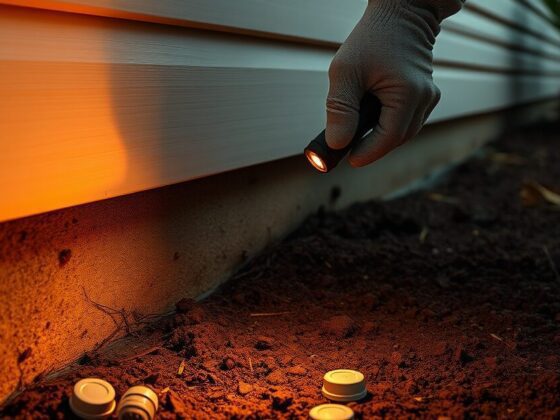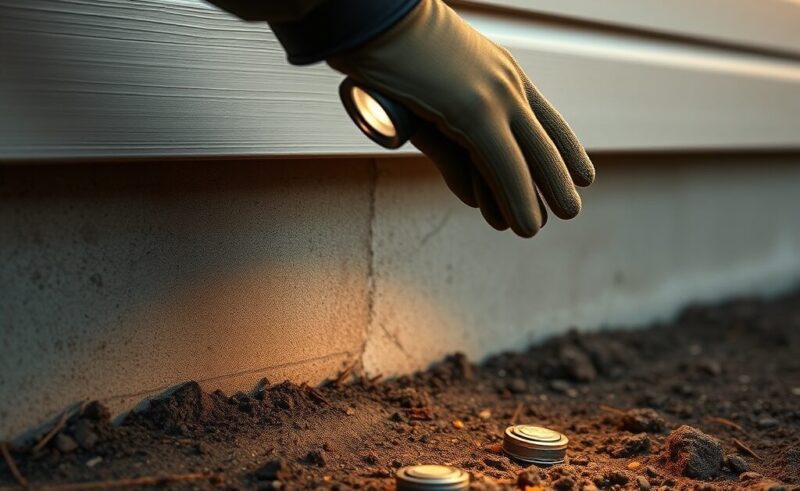
Most termite treatment decisions start with a false binary: “Which method works better?” The more useful question is “Which method fits the variables at this property?” Subterranean termites—the species that account for the majority of structural damage in the United States—require soil contact to survive, and both liquid barriers and bait systems exploit that dependency. Liquid termiticides establish a treated zone that termites cannot cross without lethal or repellent exposure. Bait stations rely on foraging workers to find, consume, and share a toxicant that disrupts molting or energy production across the colony. Each approach has documented efficacy under the right conditions, and each has limitations that matter more in some situations than others.
You can observe whether active mud tubes are present, whether soil around the foundation is accessible, and whether previous treatments were applied, but you cannot safely determine colony size, species identity, or the extent of hidden damage without a licensed inspection. A professional will assess soil type, moisture patterns, construction details, and local termite pressure before recommending a treatment strategy. Some properties receive combination approaches—liquid barriers at high-risk zones and bait stations for perimeter monitoring—because the variables don’t favor a single method. Understanding what each system does, and under what conditions it works best, helps you ask the right questions when treatment proposals arrive and evaluate whether the recommendation aligns with the specifics of your situation rather than the contractor’s preferred product line.
Core Variables That Change the Answer
No single treatment method wins in every situation. The variables that matter most include termite species, foundation type, soil access, active infestation evidence, property transaction timing, and local termite pressure. Each variable shifts the practical advantage between liquid barriers and bait stations.
Subterranean termite species behavior affects treatment speed. Eastern subterranean termites typically respond to bait stations within 60 to 90 days under ideal conditions, according to University of Florida extension data. Formosan termites, which maintain larger colonies and forage more aggressively, may require liquid barriers when active damage is confirmed, because bait systems depend on worker termites finding stations and recruiting nestmates over weeks. If you see fresh mud tubes or live workers during an inspection, species identification changes the urgency calculation.
Foundation type and soil access determine whether a continuous liquid barrier is even possible. Slab-on-grade homes often require drilling through concrete to inject termiticide into the soil beneath, which increases labor cost and limits coverage in areas with plumbing or post-tension cables. Crawlspace and basement foundations allow easier trench-and-treat application, making liquid barriers more straightforward. Bait stations work on any foundation type because they’re installed in the soil around the perimeter, typically 10 to 20 feet apart, without drilling or trenching near the structure.
Active infestation evidence and treatment history also matter. If a previous liquid treatment failed or reached the end of its labeled effectiveness period—usually five to ten years depending on the product—retreatment may require waiting for the old termiticide to degrade or switching to a bait system. If you’re buying a home with an existing bait station system and transferable warranty, continuing that program is often simpler than converting to liquid. If you’re selling and need documented protection before closing, liquid treatments typically offer faster kill confirmation, though bait systems with monitoring visits provide ongoing documentation.
Local termite pressure, measured by swarm reports, neighboring infestations, and soil moisture patterns, affects monitoring frequency and reinfestation risk. High-pressure areas—common in the Southeast and Gulf Coast—may benefit from the repellent zone that some liquid termiticides create, discouraging new colonies from approaching the foundation. Bait stations in these areas require consistent monitoring, usually quarterly, to detect new activity before it reaches the structure. The TermiteHQ Infestation Map and Risk Score tool provide regional context, but your inspector’s direct observation of soil moisture, wood-to-ground contact, and nearby tree stumps will be more specific.
Warranty language and service requirements differ between methods. Liquid barrier warranties typically include an initial treatment, annual inspections, and spot retreatment if termites breach the barrier. Bait station warranties usually require quarterly or semi-annual monitoring visits, with bait replenishment as needed. If you prefer fewer service visits, liquid treatments generally require less frequent professional contact after the first year. If you want ongoing monitoring with lower initial chemical load, bait systems provide that trade-off.
How Treatment Mechanisms Differ—and Why No Single Method Wins Every Situation
Termite treatment methods differ in how they deliver active ingredients, where they work, how long they take to control a colony, and what site conditions allow them to function. Bait stations, liquid barriers, fumigation, and localized treatments each solve different problems, and the right choice depends on termite species, structure type, soil access, infestation stage, and occupant constraints.
Liquid Barrier Treatments
Liquid termiticides create a treated zone in soil around and beneath a structure. Subterranean termites—including Reticulitermes, Coptotermes, and Heterotermes species—must travel through soil to reach wood, and a continuous barrier intercepts foraging workers. Non-repellent products such as fipronil, imidacloprid, and chlorantranilifenil allow termites to pass through treated soil, pick up lethal doses, and transfer the active ingredient to nestmates through grooming and trophallaxis. Repellent products such as bifenthrin block access but do not rely on colony transfer.
Liquid treatments require drilling access points in slabs, trenching around foundations, and injecting product into wall voids or crawlspace soil. They work quickly—often within weeks—but depend on complete coverage. Gaps caused by utility penetrations, inaccessible slabs, or dense landscaping can leave untreated pathways. EPA-registered labels specify application rates, injection intervals, and re-treatment conditions, and licensed applicators must follow state pesticide regulations. Liquid barriers typically last five to ten years, depending on soil type, moisture, and product chemistry, but manufacturers do not guarantee a fixed duration.
Bait Station Systems
Bait stations contain cellulose monitoring devices or active bait matrix treated with slow-acting insect growth regulators or metabolic inhibitors, such as hexaflumuron, noviflumuron, or diflubenzuron. Stations are installed in soil around the structure’s perimeter, and technicians inspect them on scheduled intervals—typically every 60 to 90 days. When termites feed on active bait, they carry the ingredient back to the colony, where it disrupts molting and eventually suppresses or eliminates the population.
Bait systems require no drilling, trenching, or large-volume pesticide application, which makes them suitable for structures with limited soil access, sensitive landscaping, or wells near the foundation. They work more slowly than liquid treatments—colony elimination can take months—and depend on termites finding and feeding on stations. Bait systems also require ongoing monitoring and service agreements, because stations must be checked, refilled, and adjusted as termite activity changes. Our Treatment Comparison tool walks through these timing and access trade-offs in detail.
Fumigation and Localized Treatments
Fumigation with sulfuryl fluoride targets drywood termites, which live entirely inside wood and do not contact soil. The structure is enclosed in a gas-tight tent, and fumigant penetrates all wood members, killing termites at every life stage. Fumigation requires occupants and pets to vacate for 24 to 72 hours, and it does not leave a residual barrier—reinfestations are possible if new colonies enter later.
Localized treatments use foam, dust, or injectable termiticides applied directly into galleries, wall voids, or infested timbers. These methods work for small drywood or dampwood infestations when the extent is known and accessible, but they do not address hidden colonies or widespread activity. Localized treatments are often combined with monitoring or used as interim measures before whole-structure approaches.
Why Professional Assessment Comes First
No treatment method is universally superior. Subterranean infestations in accessible crawlspaces often respond well to liquid barriers. Drywood termites in multi-unit buildings may require fumigation. Structures near water sources or with post-tension slabs may favor bait systems. Licensed inspectors evaluate termite species, construction type, soil conditions, and treatment history before recommending a method, and they must follow pesticide label directions and state licensing standards. Homeowners should request written treatment plans, product names, application maps, and warranty terms before work begins, and verify that the applicator holds current state certification. Our Expert Team and Source Methodology pages explain how TermiteHQ reviews these professional standards and integrates university extension and EPA guidance into decision frameworks.
What You Can Do Before Calling a Professional
You cannot choose between bait stations and liquid treatment without a licensed inspection, but you can prepare for a more productive conversation by documenting what you know, gathering records, and understanding what questions will help a professional recommend the right approach for your property.
Document Visible Clues
Walk your property and note any visible signs without disturbing materials or applying products. Look for mud tubes on foundation walls, discarded wings near windows or doors, wood that sounds hollow when tapped, or small piles of frass (termite droppings that resemble sawdust or coffee grounds). Take photos with a reference object for scale—a coin or ruler works well. Note the location, date, and any changes since you first noticed activity. If you see active insects, capture a specimen in a sealed container or take a clear close-up photo; correct identification matters because ants, beetles, and termites require different approaches.
Check for moisture sources: leaking gutters, standing water near the foundation, wood-to-soil contact where siding or deck posts touch the ground, or areas where mulch is piled against the house. These conditions influence both treatment choice and long-term success. For more guidance on what to look for, see our signs of infestation resource.
Gather Property and Treatment Records
Collect any documents related to past termite activity or treatments: inspection reports, treatment contracts, warranty paperwork, or disclosure statements from when you purchased the home. If the property has an existing bait system or was treated with a liquid termiticide, note the installation or application date, the company name, and any service schedule. Warranties often transfer to new owners but require continuous monitoring or renewal; knowing what coverage exists helps you avoid paying twice for overlapping protection.
If you are buying or selling, ask for the termite inspection report and any treatment history. Some states require disclosure of known infestations or prior treatments, and lenders may require a clear inspection before closing. Understanding what has already been done—and whether it is still active—shapes the next step.
Prepare Questions That Reveal Fit
When you speak to a professional, ask questions that uncover how each method fits your situation rather than which one is universally better. Useful questions include: What termite species are active in this area, and does that change the recommendation? Does my soil type, drainage pattern, or proximity to water affect liquid treatment performance? If I choose bait stations, how often will monitoring visits occur, and what triggers a treatment response? If I choose liquid, what access points are needed, and will any areas remain untreated due to concrete, landscaping, or plumbing obstacles?
Ask about timelines: how quickly does each method reduce active colonies, and when can you expect measurable protection? Request a written estimate that itemizes installation, monitoring, and renewal costs over three to five years, not just the first-year price. If you have an HOA, a well, a septic system, or pets that spend time near the foundation, ask how those factors influence product choice, application zones, or monitoring placement. Use our treatment comparison tool to organize responses and compare options side by side.
Understand What You Cannot Do Remotely
No online guide, cost calculator, or general article can diagnose an infestation, determine species, assess structural risk, or prescribe a treatment method. Termite biology, soil conditions, building construction, and local regulations vary too widely for remote recommendations. You need a licensed inspector to open access panels, probe wood, identify the species, map the infestation, and evaluate whether moisture, construction defects, or previous treatments change the approach. Pesticide application—whether liquid or bait—requires state licensing, label compliance, and liability coverage that homeowners do not carry.
Preparation helps you ask better questions and recognize when a proposal fits your property, but it does not replace professional judgment. For more on what inspectors evaluate and how findings shape treatment decisions, see our guide to termite inspections.