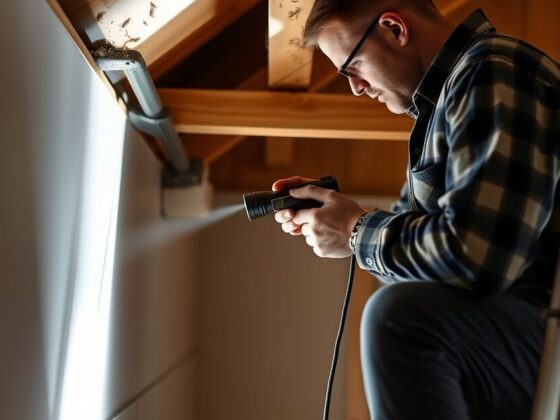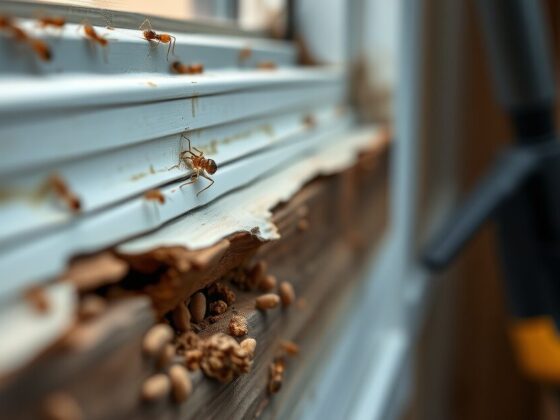
Termite companies operate under state-issued pest-control licenses that authorize the purchase and application of restricted-use termiticides—products unavailable to homeowners. Licensing requirements, continuing education mandates, and insurance minimums differ by state, but every operator must document training hours, pass a state exam, and renew credentials annually or biennially. You can verify active licensure through your state’s department of agriculture or structural pest-control board; unlicensed applicators cannot legally apply soil termiticides, install bait systems, or issue transferable warranties recognized during real-estate transactions.
The decision process begins with understanding what you need: a termite inspection to satisfy a purchase contract, a treatment proposal for confirmed activity, or an annual renewal inspection under an existing warranty. Inspection scope varies—some companies perform visual-only assessments in accessible areas, others include moisture meters, infrared cameras, or sounding tools to detect hidden damage. Treatment proposals should specify the method (liquid soil treatment, bait system, or wood treatment), the active ingredient and EPA registration number, the volume or concentration applied, and whether the approach addresses subterranean, drywood, or dampwood termites. A proposal that lists only “termite treatment” without method or product detail makes cost and warranty comparison impossible.
Warranty structure separates routine service agreements from meaningful damage protection. Retreatment-only warranties obligate the company to reapply product if live termites reappear, but provide no financial coverage for repair costs. Damage warranties cap repair reimbursement—often between $250,000 and $1 million—and require annual inspections at your expense to remain active. Exclusions typically include damage present before the original treatment date, conditions that allow moisture intrusion (leaking gutters, grading issues, plumbing leaks), and areas made inaccessible by stored belongings or landscaping. Transferability matters during resale: some warranties transfer to the next owner for a nominal fee, others terminate at closing, and a few require the new owner to pay the full annual renewal immediately.
Use the Treatment Cost Estimator to model typical pricing by method and structure size, then request itemized proposals that separate inspection fees, initial treatment cost, and annual renewal charges. The questions in the following sections guide you through credential verification, scope clarification, and warranty-term review before you commit to a multi-year service relationship.
What Changes the Decision Between Companies
The right termite company depends on what you’re treating, what you’re protecting, and what happens if the treatment fails. A subterranean colony in a crawlspace with visible mud tubes requires different tools and access than drywood frass inside second-story window frames. The company you choose should match the species, the structure, and the contract language that follows.
Species drives scope. Subterranean termites—Eastern, Formosan, or Western—typically require soil treatment, foundation perimeter work, and sometimes interior drilling if the colony has breached a slab. Companies licensed for liquid termiticides or baiting systems handle these jobs, but not all carry the same products or offer monitoring between annual inspections. Drywood termites need localized fumigation, spot treatment, or whole-structure tenting depending on how many galleries are active. If you’re comparing bids and one company proposes a bait system for drywood evidence, that’s a scope mismatch, not a cost advantage.
Foundation type and access change what’s possible. A pier-and-beam crawlspace with 24 inches of clearance allows visual confirmation of mud tubes, moisture sources, and treatment placement. A post-tension slab with finished flooring limits access and raises the cost of interior injection. If a company quotes without inspecting the crawlspace or asking about slab type, the bid is incomplete. Ask whether the estimate includes drilling, how many access points they’ll use, and whether they’ll treat both sides of a foundation wall if the exterior grade is higher than the interior.
Moisture history and ongoing leaks matter more than most contracts acknowledge. If you’ve had plumbing leaks, poor drainage, or condensation in the crawlspace, termites will return unless the moisture problem is fixed. A responsible company will note these conditions in the inspection report and explain what falls outside their scope. If the contract includes a renewable warranty but excludes coverage for “conducive conditions,” you need to know which conditions disqualify a claim before you sign.
Transaction context changes urgency and liability. If you’re buying a home and the seller agrees to pay for treatment, the inspection report becomes a negotiation document. You want a company that writes clear, photo-supported reports and separates active infestation from old damage and risk factors. If you’re selling and the buyer’s lender requires a termite inspection clearance, you need a company that can treat and re-inspect within the closing window. Some companies prioritize retail service and take two weeks to schedule re-inspection; others work directly with title companies and turn reports in 48 hours.
Warranty structure and renewal terms define long-term cost. A one-year warranty with no renewal option means you’ll pay full inspection and treatment cost again if termites return in year two. A renewable warranty costs $100–$300 annually but typically covers re-treatment at no additional charge if an active infestation is found during an annual inspection. Read the exclusions: many warranties exclude damage repair, cover only the original treatment zone, or require the homeowner to maintain certain conditions. If the company won’t provide a sample warranty document before you commit, that’s a decision variable worth noting.
Cost Structure, Warranty Terms, and What to Ask Before Signing
Termite service pricing varies by treatment method, property size, infestation severity, and local labor rates. A liquid barrier treatment for a 2,000-square-foot home on a slab foundation may range from $1,200 to $2,500, while a crawlspace home with extensive soil treatment access can cost $1,800 to $3,500. Baiting systems typically start at $1,500 to $3,000 for installation, plus $300 to $500 annual monitoring. Localized spot treatments for drywood termites range from $500 to $1,200 per area, and whole-structure fumigation runs $2,000 to $8,000 depending on cubic footage and preparation requirements. These ranges reflect national averages; regional labor costs, soil conditions, and competitive density shift pricing in both directions. Use the Treatment Cost Estimator to model scenarios for your property type and treatment scope.
Written quotes should itemize inspection fees, treatment application, material type and EPA registration number, linear footage or cubic footage treated, follow-up visits, and any exclusions such as crawlspace vapor barriers, wood replacement, or structural repairs. Ask whether the price includes pre-treatment soil work, trenching around slabs, or drilling through tile or concrete. Some companies bundle the initial inspection into the treatment cost; others charge $75 to $150 separately and credit it if you proceed. Confirm whether sales tax, permit fees, or disposal charges apply, and whether financing or payment plans are available.
Warranties differ more than treatment methods. A renewable service warranty typically covers re-treatment and repair of new termite damage during the contract period, often one to five years, with annual renewal fees between $150 and $400. Warranties may exclude pre-existing damage, damage from species not listed in the contract, or areas inaccessible during the original treatment. Some limit repair reimbursement to a dollar cap or require you to use the company’s contractor. Non-renewable guarantees cover re-treatment only, not damage repair, and expire without the option to extend. Transferable warranties add value during home sales but may require the buyer to assume renewal payments and allow a re-inspection. Read the warranty certificate, not the marketing summary, and ask what triggers voids—such as landscape changes, missed renewals, or structural modifications that block treatment zones.
Before accepting a price, ask how the company handles warranty claims: whether they require photo documentation, whether they send the original technician or a claims adjuster, and what the average response time is. Ask if the warranty transfers if the company is sold or closes, and whether arbitration clauses limit your legal options. Compare at least three written quotes that specify treatment method, active ingredient, application rate, warranty length, renewal terms, and exclusions. The lowest bid may exclude follow-up visits or limit coverage to subterranean species only, while the highest may include annual inspections and broader repair coverage. Price alone does not indicate quality, but transparency in quoting and warranty language does.
What You Can Do Before Calling a Termite Company
You cannot diagnose termites remotely or treat them yourself with professional-grade tools, but you can prepare useful information that helps licensed inspectors work faster and quote more accurately. The goal is to document what you see, gather what you own, and write down what you need to know—not to replace the inspection.
Start by photographing any visible damage, mud tubes, discarded wings, frass piles, or soft wood. Use a flashlight in crawl spaces, attics, and garage corners, but do not probe structural members with sharp tools or remove large sections of drywall. Note locations by room and approximate height—”mud tube on north foundation wall, 18 inches above slab” is more useful than “I saw something in the basement.” If you have active swarmers, capture a few in a sealed jar or plastic bag; species identification changes treatment options and cost.
Collect any termite-related paperwork you already have: previous inspection reports, treatment records, warranties, builder pest-control documents, or real-estate disclosures. If you have a transferable warranty, find the issuing company name, treatment date, and coverage terms. If you are unsure whether past work was a spot treatment or a full perimeter system, note that question for the inspector.
Write a short list of questions based on your property and timeline. Useful examples include:
- What species are most common in this area, and does that change the recommended treatment method?
- Does your company offer both liquid and bait systems, or do you specialize in one?
- What does your warranty cover—re-treatment only, or damage repair up to a stated limit?
- How long does the initial treatment take, and will I need to leave the house?
- What ongoing monitoring or renewal schedule does the warranty require?
- Are you licensed and insured in this state, and can I verify that online?
Do not ask for price quotes over the phone without an inspection; reputable companies will not give binding estimates without seeing the structure, soil conditions, and infestation extent. If you want a rough planning number, use the Treatment Cost Estimator to understand typical ranges by square footage and treatment type, then confirm during the on-site visit.
Understand two limits clearly: you cannot confirm active infestation without a licensed inspector, and you cannot apply restricted-use termiticides without a pesticide applicator license. Preparing photos, records, and questions saves time and money, but it does not replace the inspection itself. For a full overview of what inspectors look for and how they document findings, see the termite inspection guide.