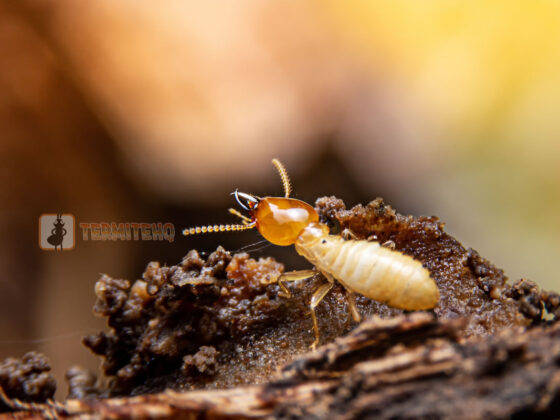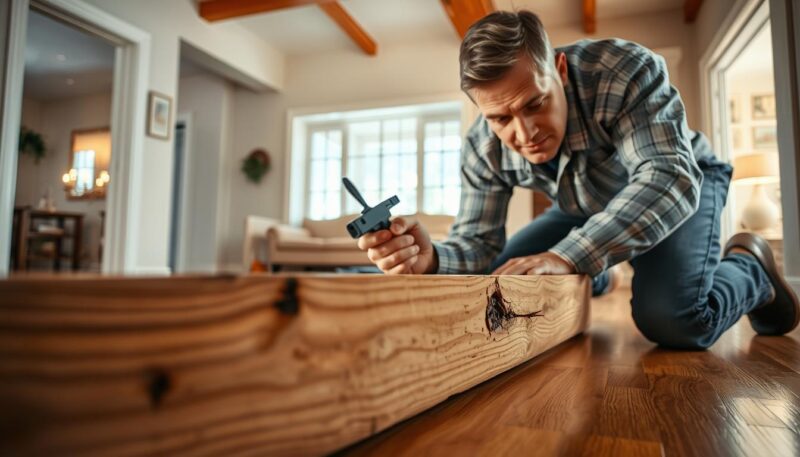
Every 60 seconds, wood-destroying pests silently consume 2.3 cubic feet of wood in the U.S.—enough to collapse a roof beam in under six months. These relentless invaders cause over $5 billion in structural damage annually, often before homeowners notice visible signs of infestation.
A professional evaluation uses scientific methods to detect hidden risks. Specialists examine interior and exterior spaces, focusing on moisture-prone areas like basements and crawl spaces. They analyze soil contact points, wood structures, and even landscaping features that might attract pests.
Modern assessments combine visual checks with infrared scanners and moisture meters. This dual approach identifies both active colonies and conducive conditions for future problems. You’ll learn not just about current threats but also how to prevent them.
Preventive evaluations typically take 45 minutes, though timing varies by property size. Experts follow strict protocols to ensure no vulnerable area goes unchecked—from foundation vents to attic beams. Their findings empower you to make informed decisions about protecting your investment.
Key Takeaways
- Annual assessments prevent costly structural repairs by catching issues early
- Inspectors use advanced tools to detect hidden moisture and pest activity
- Property size and accessibility determine evaluation duration
- Reports include prevention strategies tailored to your home’s unique risks
- Understanding inspection steps helps homeowners prepare effectively
Understanding the Terminix termite inspection process
Professional evaluations uncover hidden threats before they escalate. Experts begin by mapping moisture patterns across your property using specialized detection tools. They examine structural contact points where wood meets soil and assess drainage systems that could create ideal pest habitats.
Phased Assessment Methodology
Evaluators follow a three-stage approach:
- Perimeter analysis: Checking foundation walls, exterior woodwork, and landscaping features
- Interior survey: Inspecting basements, crawl spaces, and attic beams using non-invasive tools
- Moisture mapping: Identifying water accumulation zones with thermal imaging devices
Strategic Protection Advantages
These evaluations deliver multiple safeguards for homeowners:
- Identifies cellulose degradation risks 6-12 months before visible signs emerge
- Documents property conditions for insurance compliance and resale verification
- Pinpoints 92% of moisture issues that attract wood-consuming organisms
| Aspect | Professional Service | DIY Approach |
|---|---|---|
| Detection Accuracy | 98% using thermal imaging | 35% visible signs only |
| Prevention Guidance | Customized solutions | Generic tips |
| Cost Efficiency | Prevents $15k avg repair | Misses hidden damage |
| Documentation | Insurance-ready reports | Personal notes |
Regular assessments create a protective barrier against structural compromises. They transform reactive repairs into proactive preservation strategies tailored to your home’s unique vulnerabilities.
Why Termite Inspections are Critical for Home Protection
Silent destroyers chew through wood at alarming rates, often compromising a building’s framework before residents detect issues. These hidden threats account for over $5 billion in annual repair costs nationwide, with most insurance providers denying coverage for preventable infestations.
Halting Progressive Framework Compromise
Wood-consuming organisms target load-bearing beams and support structures first. Left unchecked, they can weaken floor joists and roof trusses within months. Professional assessments identify high-risk zones like moisture-rich crawl spaces where colonies often establish footholds.
Financial Safeguards Through Timely Action
Addressing infestations early reduces remediation costs by 65-80% compared to full structural repairs. Consider these comparative figures:
| Scenario | Average Cost | Timeframe |
|---|---|---|
| Annual Evaluation | $85-$150 | 45 minutes |
| Minor Treatment | $250-$900 | 1-2 days |
| Major Structural Repair | $3,000-$15,000+ | Weeks |
Documented evaluations serve dual purposes. They create historical records for real estate transactions while helping homeowners implement targeted prevention strategies. Many mortgage lenders now require these reports before approving loans on older properties.
Proactive monitoring protects both your living space and financial stability. Early intervention stops minor issues from becoming catastrophic failures that impact resale value and safety.
Interior Termite Inspection: Areas of Focus
Homes harbor hidden risks where moisture and wood meet, creating perfect storm conditions for destructive pests. Specialists methodically examine interior spaces using a zone-based approach, prioritizing locations where structural materials intersect with water sources.
Common Inspection Spots Inside Your Home
Evaluators target seven high-risk zones during interior assessments. Window frames and sills top the list due to condensation buildup that softens wood. Bathrooms receive detailed scrutiny around tubs, showers, and toilets where plumbing leaks often go unnoticed.
Kitchen cabinets beneath sinks hide slow drips that warp baseboards and attract pests. Laundry rooms undergo thorough checks near washing machine connections and utility sinks. Garage inspections focus on water heater pads and concrete-wood junctions vulnerable to moisture wicking.
Identifying Moisture and Wood Damage
Experts use specialized tools to detect hidden water intrusion behind walls and under floors. They probe crown moldings near plumbing lines and ceiling areas where pipe condensation accumulates. Fireplace surrounds get examined for cracks that allow moisture penetration into support beams.
Baseboard inspections reveal early warning signs like blistering paint or hollow-sounding wood. Technicians document moisture levels exceeding 20% – the threshold where wood becomes susceptible to degradation. These findings help homeowners address risks before visible damage occurs.
Exterior Termite Inspection: What Inspectors Look For
Your property’s outer defenses play a crucial role in blocking destructive invaders. Experts systematically examine every exterior surface, prioritizing zones where structural materials interact with the environment. These evaluations reveal vulnerabilities that could compromise your home’s integrity over time.
Foundation and Siding Assessments
Concrete bases receive meticulous scrutiny during exterior checks. Inspectors probe for hairline cracks wider than 1/16 inch – potential gateways for wood-consuming insects. They also examine areas where poured concrete forms uneven joints or overlaps, creating hidden gaps.
Siding installations require precise spacing above soil level. Professionals measure the clearance between exterior walls and earth, seeking at least 6 inches of separation. This gap prevents direct contact between ground-dwelling pests and wooden structures.
Garage door trims and fence posts near foundations undergo special attention. These transitional zones often lack proper moisture barriers, allowing organisms to bridge from soil to structural wood. Evaluators also check:
- Expansion joints in concrete slabs
- Utility line entry points through exterior walls
- Deteriorated caulking around windows and doors
Drainage systems form the final defense line. Inspectors verify gutter functionality and landscape grading to ensure water flows away from critical areas. Proper moisture management reduces attraction factors for wood-destroying species.
Common Signs of Termite Activity and Damage
Homeowners often miss early warnings of wood-destroying pests until structural issues become severe. Recognizing key indicators helps identify problems before they escalate into costly repairs.
Mud Tubes, Discarded Wings, and Droppings
Subterranean species construct mud tubes along foundations and walls. These pencil-width tunnels protect pests while they transport wood particles between nests and food sources. Look for these earthy structures near concrete slabs or porch supports.
Swarmers shed wings after mating flights. You’ll find these translucent discarded wings clustered near windowsills or exterior lights. Their presence suggests new colonies may be establishing nearby.
Termite droppings (frass) resemble sawdust but have distinct oval shapes. Check baseboards and window frames for these granular pellets. Active infestations continuously produce fresh excrement near feeding sites.
Indicators on Wood Surfaces and Paint Issues
Damaged wood sounds hollow when tapped. Professionals often find maze-like patterns beneath surfaces where pests tunnel through cellulose fibers. These galleries weaken structural integrity while remaining hidden from casual observation.
Moisture from pest activity causes paint to bubble or peel unexpectedly. This occurs when drywall damage allows humidity to penetrate wall coverings. Unlike water stains, these defects often appear without obvious plumbing leaks.
Warped door frames and sticking windows sometimes signal hidden issues. As wood degrades, it loses structural stability – creating alignment problems in household fixtures. Regular monitoring helps catch these subtle changes early.
Tools and Techniques Used During Termite Inspections
Modern property evaluations combine cutting-edge technology with time-tested methods to uncover hidden risks. Experts deploy specialized equipment that detects subtle changes in building materials, revealing issues invisible to untrained eyes.
Advanced Detection Systems
Thermal imaging cameras map temperature variations in walls and floors. These devices identify heat signatures from active colonies and moisture pockets that attract wood-consuming organisms. Paired with infrared scanners, they create detailed property health profiles.
Digital moisture meters measure humidity levels with laser precision. Professionals target areas exceeding 20% moisture – the threshold where cellulose materials become vulnerable. This data helps predict high-risk zones before damage occurs.
Non-Invasive Examination Methods
Borescopes enable visual checks inside wall cavities without drilling. These fiber-optic probes stream live footage of structural beams and insulation layers. Inspectors use them to:
- Verify wood integrity in crawl spaces
- Check for frass deposits in hidden voids
- Assess plumbing leak impacts behind surfaces
Acoustic detectors amplify faint sounds of pests chewing wood. Specialized stethoscopes pick up feeding vibrations through drywall and paneling. This technology detects activity levels in suspected colonies.
Essential Field Equipment
While advanced tools dominate modern assessments, basic instruments remain crucial. High-intensity flashlights reveal surface irregularities during daylight evaluations. Probing tools test wood density at contact points where walls meet foundations.
| Tool Type | Detection Capability | Common Findings |
|---|---|---|
| Thermal Camera | Heat patterns | Nest locations |
| Moisture Meter | Humidity levels | Decay risks |
| Borescope | Internal damage | Hidden galleries |
| Acoustic Sensor | Feeding sounds | Colony activity |
These combined approaches provide 360° property protection. Technicians cross-reference data from multiple systems to confirm findings, ensuring accurate risk assessments for homeowners.
Preparing Your Home for a Thorough Termite Inspection
Proper preparation transforms routine checks into powerful protective measures. Strategic organization helps specialists assess high-risk zones efficiently, ensuring no critical area goes unexamined. Follow these steps to create optimal conditions for a comprehensive evaluation.
Optimizing Interior Access Points
Clear 18-inch pathways along exterior walls in basements and garages. Move stored items away from foundation walls and electrical panels. Empty under-sink cabinets in kitchens and bathrooms to reveal plumbing junctions where leaks often start.
Attics require special attention. Remove boxes blocking access to eaves and roof beams. Ensure floorboards remain visible for proper assessment of wood integrity. These steps help technicians identify early signs of moisture damage.
Controlling Environmental Factors
Trim shrubs and tree branches within 3 feet of your home’s exterior. This improves visibility for foundation inspections while reducing pest pathways. Clean gutters and extend downspouts to direct water 5 feet away from walls.
Address these moisture hotspots:
- Repair leaking outdoor faucets
- Grade soil to slope away from foundations
- Clear debris from window wells
| Preparation Area | Action Required | Benefit |
|---|---|---|
| Garage Perimeter | Move stored items 2 feet from walls | Reveals hidden entry points |
| Landscaping | Trim vegetation to 12″ height | Eliminates pest bridges |
| Crawl Spaces | Remove debris near access doors | Enables equipment entry |
| Utility Rooms | Clear 3-foot radius around water heater | Allows moisture assessment |
Well-prepared homes typically receive 40% more detailed evaluations. This proactive approach helps technicians focus on prevention rather than just identifying existing issues.
Post-Inspection Steps and Termite Treatment Options
When specialists complete their assessment, you’ll receive a roadmap for safeguarding your property. This critical document outlines immediate risks and long-term prevention strategies. Understanding its contents helps prioritize next steps effectively.
Decoding Assessment Insights
Reports categorize findings using color-coded risk levels. Red zones indicate active colonies requiring urgent attention. Yellow markers highlight conditions that could attract wood-consuming organisms within 12 months. Each recommendation includes:
- Specific locations needing treatment
- Preferred methods based on infestation severity
- Timelines for follow-up monitoring
Tailored Defense Approaches
Modern solutions range from targeted applications to comprehensive protection plans. Localized treatments address isolated issues using borate-based products. Soil barriers create chemical shields around foundations. Bait systems intercept pests before they reach structures.
For severe cases, whole-structure methods eliminate established colonies. These approaches combine fumigation with preventive coatings. Experts consider your home’s layout and environmental factors when suggesting options.
Addressing risks today prevents exponential damage tomorrow. Schedule consultations with licensed pest control professionals to discuss your report’s findings. Their guidance helps implement solutions that align with your property’s unique needs and budget.
Related TermiteHQ guide: expert review process.
Related TermiteHQ guide: compare termite treatments.
Related TermiteHQ guide: termite treatment cost estimator.
Related TermiteHQ guide: termite damage repair calculator.
Related TermiteHQ guide: termite inspection guide.