DIY Non-Toxic Termite Bait Recipes: Safeguard Your Home Naturally
Termites: tiny architects of vast underground kingdoms, notorious for their ability to turn prized wooden structures into hollow replicas of their former selves. Yet, in our quest to protect our homes from these industrious invaders, we’re often faced with a choice between harsh chemical solutions and the well-being of our loved ones, including our furry friends. But what if there’s a middle ground? A way to declare war on termites without collateral damage? Enter the realm of DIY non-toxic termite bait recipes, a beacon of hope for homeowners seeking safe, effective, and eco-friendly termite control solutions.
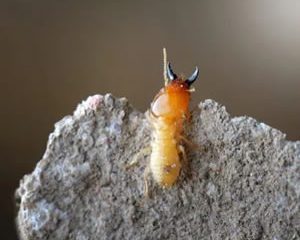 Imagine concocting a termite bait that’s as harmless to pets and children as it is deadly to termites. This guide is more than just a collection of recipes; it’s a manifesto for those who believe in the power of natural remedies to tackle some of nature’s most resilient creatures. So, whether you’re a seasoned DIY enthusiast or a concerned homeowner new to the world of termite control, buckle up. You’re about to embark on a journey to protect your home, the planet, and your peace of mind—all without a drop of toxic chemicals in sight.
Let’s delve into the intricacies of non-toxic termite bait, unraveling the science, debunking myths, and offering a step-by-step guide to creating your very own termite defense system. With a sprinkle of expertise, a dash of ingenuity, and a hearty dose of environmental consciousness, we’ll navigate the world of DIY non-toxic termite control together.
Understanding Termites and the Need for Control
Termites, though small in stature, carry a reputation far larger than their millimeter-long bodies suggest. These creatures, often dubbed “silent destroyers,” can cause significant structural damage to homes and buildings, munching away at wood with relentless determination. Yet, their role in our ecosystem—as decomposers—reminds us of the delicate balance between protecting our homes and preserving the natural world.
Why Control Is Essential
The necessity for termite control isn’t just about safeguarding our investments; it’s about maintaining the integrity of our living spaces. Left unchecked, termites can compromise the safety of wooden structures, leading to costly repairs and, in severe cases, complete rebuilds. However, the traditional termite control narrative, dominated by chemical-heavy solutions, raises concerns over environmental health and safety, particularly for households with children and pets.
Eco-Friendly Termite Control: A Growing Imperative
The shift towards eco-friendly termite control reflects a broader awareness of our environmental footprint and a desire to coexist with nature without causing harm. Non-toxic termite baits offer a promising solution, aligning with the principles of sustainability and safety. These innovative approaches not only minimize the risk to non-target species but also contribute to a healthier, chemical-free home environment.
The Popularity of Non-Toxic Solutions
As awareness grows, so does the popularity of non-toxic solutions. Homeowners are increasingly seeking out alternatives that promise effectiveness without compromise. This trend is fueled by a growing distrust of synthetic chemicals and a collective push towards greener, more sustainable living practices.
In essence, the battle against termites is evolving. It’s no longer just about elimination but about doing so in a way that respects our health, our homes, and the planet. This understanding sets the stage for exploring non-toxic termite bait recipes, a cornerstone of contemporary termite control strategies that marry efficacy with environmental stewardship.
The Basics of Non-Toxic Termite Bait
To wage an effective war against termites without the collateral damage associated with traditional pesticides, it’s essential to grasp the basics of non-toxic termite bait. This innovative approach harnesses the termites’ natural behaviors for a clever, environmentally friendly solution.
How Non-Toxic Termite Bait Works
Non-toxic termite bait operates on a simple yet ingenious principle: attract and eliminate. The bait comprises natural substances that termites find irresistible, drawing them in. Once consumed, these substances, while harmless to humans and pets, are lethal to termites. The key lies in the bait’s ability to be shared within the colony, targeting not just the workers but the queen and her subjects at large, thereby collapsing the colony from within.
Benefits Over Traditional Methods
The advantages of non-toxic termite bait extend beyond its immediate safety features. These baits are:
- Environmentally Friendly: They leave a minimal ecological footprint, reducing the amount of toxic substances released into our surroundings.
- Targeted: Designed to specifically attract termites, they mitigate the risk to beneficial insects and wildlife.
- Long-Term Solution: By focusing on the colony’s destruction, non-toxic baits offer a more sustainable solution than surface-level chemical treatments.
Ingredients of Non-Toxic Baits
At the heart of non-toxic termite bait recipes are ingredients like borates (derived from boron, a natural mineral), diatomaceous earth, and other natural substances known for their termite-repelling properties. These ingredients are not only effective but also widely available, making DIY solutions both feasible and cost-effective.
Understanding these basics illuminates the path forward: a method of termite control that’s as kind to the earth as it is lethal to termites. It’s a testament to human ingenuity, proving that with the right knowledge and resources, we can find solutions that protect our homes and the planet in equal measure.
As we venture into the specifics of creating your own non-toxic termite bait, remember, this journey is as much about innovation as it is about conservation. Let’s keep these principles in mind as we explore how to craft an effective, eco-friendly termite defense.
Key Ingredients for Your DIY Termite Bait
Embarking on the DIY journey to create an effective non-toxic termite bait requires a pantry of safe, natural ingredients. These components are the linchpin of your termite control strategy, selected not only for their efficacy against termites but also for their benign impact on the environment, pets, and family members. Here’s a closer look at the arsenal you’ll need to combat these unwelcome guests.
1. Borates (Boric Acid) A derivative of boron, a naturally occurring mineral, borates are a cornerstone of non-toxic termite control. When ingested by termites, borates disrupt their digestive system and inhibit their ability to extract nutrients from consumed wood, leading to their demise. For humans and pets, however, borates are low in toxicity, making them a safe component of your DIY bait.
2. Diatomaceous Earth This naturally occurring, soft, siliceous sedimentary rock is lethal to termites upon contact. Diatomaceous earth works by abrading the termite’s exoskeleton and causing dehydration. Its non-toxic nature makes it an excellent ingredient for your bait, safe around children and animals.
3. Sugar Solutions Termites are drawn to carbohydrates, making sugar solutions an effective lure. Mixing sugar with water creates a tempting bait that, when combined with lethal agents like borates, can be incredibly effective at attracting and eliminating termites.
4. Cellulose Fibers Cellulose, the primary component of wood, is the main food source for termites. Incorporating cellulose fibers into your bait can significantly increase its attractiveness. Paper, cardboard, or other cellulose-based materials soaked in your borate or diatomaceous earth mixture can act as an effective carrier and attractant.
Crafting Your Non-Toxic Termite Bait: A Step-by-Step Guide
With your ingredients at the ready, it’s time to concoct your non-toxic termite bait. The process is straightforward, with a focus on creating a bait that’s as appealing to termites as it is deadly.
Step 1: Preparing the Borate Solution
- Dissolve 1 part borax powder in 10 parts warm water to create a borate solution. Ensure the powder is fully dissolved.
Step 2: Adding Sugar
- Mix in sugar with the borate solution, creating a sweetened bait. The sugar’s sweetness will lure termites, while the borate acts as the terminator.
Step 3: Soaking Cellulose Materials
- Submerge cellulose materials (e.g., strips of cardboard or cotton balls) in the solution, ensuring they’re thoroughly soaked. These will serve as the bait.
Step 4: Placement
- Once soaked, place the bait stations near known termite activity sites or potential entry points. Monitor and replace as needed.
This method, while simple, taps into the sophisticated feeding mechanisms of termites, ensuring they carry the bait back to their colony, spreading the non-toxic yet lethal solution among their ranks.
As we delve further into the intricacies of placement and maintenance of your DIY termite bait, remember, the essence of this endeavor is twofold: protecting your home from damage and doing so in a manner that safeguards the health of your household and the environment. This dual focus not only exemplifies responsible pest control but also aligns with a broader commitment to sustainable living practices.
Implementing Safe Termite Bait for Pets
In households where pets are considered part of the family, ensuring the safety of termite control methods is paramount. Traditional termite treatments, laden with chemicals, pose significant risks to our furry companions. However, the DIY non-toxic termite bait approach offers a beacon of hope, allowing pet owners to breathe a sigh of relief. Here’s how to implement a termite control solution that’s as safe for your pets as it is deadly to termites.
Prioritizing Natural Ingredients
- Emphasize the use of natural, pet-safe ingredients in your bait recipes. Borates and diatomaceous earth, for instance, are effective against termites but pose minimal risk to pets when used as directed. This careful selection of ingredients ensures that your termite defense does not compromise pet safety.
Strategic Placement of Bait Stations
- Place bait stations in areas less accessible to pets but known for termite activity. Consider the behavior and habits of your pets when determining these locations to prevent accidental ingestion. Even non-toxic substances can cause digestive upset if consumed in large quantities by pets.
Regular Monitoring and Maintenance
- Regularly check the bait stations for signs of interference by pets or children. Replace and maintain the stations as needed to ensure they remain effective against termites while posing no risk to your household’s four-legged members.
Educating the Household
- Inform everyone in the home, especially children, about the purpose of the bait stations and the importance of not disturbing them. Education is a crucial step in ensuring the safety and effectiveness of your termite control efforts.
Best Non-Toxic Termite Bait Stations Setup
Creating an effective termite bait station goes beyond mixing the right ingredients; it’s also about ensuring the bait is accessible to termites while being protected from non-target interference. Here’s how to set up your non-toxic termite bait stations for maximum effectiveness:
Choosing the Right Container
- Opt for containers that are durable and can be securely closed but have openings small enough to allow termites access. Plastic containers with lids or specially designed bait station housings are excellent choices.
Placement Tips
- Identify areas with active termite signs or those susceptible to termite entry, such as near foundation walls, damp areas, and woodpiles. The goal is to intercept the termites before they reach your home.
Creating an Attractive Bait
- Ensure the bait within the station is moist and appealing to termites. The sugar and cellulose mixture should be checked and refreshed periodically to maintain its effectiveness.
Monitoring and Replenishment
- Regularly inspect your bait stations for termite activity and replenish the bait as necessary. Monitoring allows you to gauge the effectiveness of your DIY approach and make adjustments as needed.
This careful setup and maintenance of non-toxic termite bait stations underscore a commitment to pet-safe, eco-friendly pest control. It’s a testament to the idea that protecting our homes from pests doesn’t have to come at the expense of our pets’ health or the environment.
Natural Termite Bait Home Remedy: Placement Tips
The effectiveness of a DIY non-toxic termite bait system hinges not only on the concoction itself but also on strategic placement. Understanding termite behavior and environmental factors can dramatically increase your system’s success rate. Here are essential placement tips to make your natural termite bait home remedy as effective as possible:
Identify High-Risk Areas
- Start by inspecting your property for signs of termite activity or areas susceptible to infestation, such as woodpiles, moist soil, foundation crevices, and damp walls. Termites are attracted to moisture and wood, so focus your efforts on these areas.
Ensure Soil Contact
- For in-ground bait stations, ensure direct contact with the soil where subterranean termites are most active. Burying the bait stations slightly can provide termites easy access and encourage them to enter the stations.
Utilize Natural Termite Pathways
- Termites follow natural pathways along the edges of walls and other structural foundations. Placing bait stations along these paths increases the likelihood of termites discovering the bait.
Keep Distance in Mind
- While you want to cover your property effectively, placing bait stations too close together can dilute their effectiveness. A general guideline is to place them 10 to 20 feet apart, ensuring comprehensive coverage without overcrowding.
Monitor and Adjust
- Regular monitoring is crucial. Check the bait stations every few weeks for termite activity. If certain stations show no signs of termites, consider adjusting their placement. Termites’ pathways can change, especially following significant environmental changes like heavy rain or construction.
Protect Bait Stations from Non-Target Interference
- Ensure that the bait stations are protected from pets, wildlife, and water runoff. Using secure, tamper-proof containers can prevent non-target animals from accessing the bait and ensure the bait remains potent and attractive to termites.
Incorporating these placement tips into your DIY termite control strategy enhances your system’s efficiency, turning your property into a fortress impervious to termite invasions while maintaining the sanctity of your home’s non-toxic environment.
Where to Buy Non-Toxic Termite Bait Supplies
While the journey to creating your own non-toxic termite bait is rewarding, knowing where to find the right supplies can streamline the process. Here’s a guide to sourcing the ingredients and materials needed for your eco-friendly termite control solution:
Local Hardware Stores
- Hardware stores often stock borates (boric acid), diatomaceous earth, and other natural pest control substances. These are excellent starting points for gathering your bait ingredients.
Online Retailers
- For a wider selection and bulk purchasing options, online retailers are invaluable. Websites specializing in organic gardening, eco-friendly pest control, and natural products offer a plethora of ingredients for your DIY termite bait. Amazon, eBay, and specific pest control sites can be treasure troves for the necessary supplies.
Gardening Centers
- Gardening centers and nurseries often carry diatomaceous earth and natural wood treatments, which can be repurposed as termite bait ingredients. They’re also great places to find advice and additional resources on organic pest control.
Specialty Stores
- Look for stores specializing in organic and natural products. They often carry food-grade diatomaceous earth and boric acid, which are safe for use around pets and children.
When purchasing supplies, ensure you’re buying food-grade or natural products, especially when it comes to diatomaceous earth and borates. This distinction is crucial for maintaining the non-toxic integrity of your termite bait.
Armed with the right supplies and knowledge, you’re well on your way to creating an effective, safe, and eco-friendly termite control system. This approach not only protects your home from the destructive force of termites but does so in a manner that’s harmonious with nature and safe for your family and pets.
Continuing with our comprehensive guide on crafting an effective, eco-friendly termite control solution, let’s delve into evaluating the effectiveness of non-toxic termite baits and managing the associated costs.
Effectiveness of Non-Toxic Termite Baits
Skepticism often surrounds the efficacy of non-toxic solutions in a world accustomed to chemical-heavy pest control methods. However, non-toxic termite baits have proven to be a formidable opponent against termite invasions when used correctly. Here’s a closer look at how these eco-friendly solutions stack up:
Research and Case Studies
- Numerous studies and homeowner testimonials highlight the success of non-toxic baits in controlling and eliminating termite populations. Ingredients like borates have a long history of effective pest control, affecting termites’ digestive systems and preventing them from metabolizing nutrients, leading to colony collapse.
Long-Term Benefits
- Non-toxic termite baits offer sustainable, long-term protection for your home. Unlike chemical treatments that may require frequent reapplication and pose risks to health and the environment, non-toxic baits provide a safer, ongoing termite management solution.
Environmental Impact
- The eco-friendly nature of non-toxic termite baits means they don’t contribute to soil and water pollution. This aspect is especially important for homeowners concerned about their environmental footprint and the safety of their local ecosystems.
Understanding Limitations
- While non-toxic baits are effective, they are part of a broader integrated pest management strategy. Success may also depend on the extent of the infestation, termite species, and environmental conditions. Regular monitoring and adjustment of bait stations are crucial for optimal results.
Non-Toxic Termite Baiting Cost Comparison
One of the most compelling aspects of DIY non-toxic termite baiting is the potential for significant cost savings compared to professional chemical treatments. Here’s a breakdown of cost considerations:
DIY Baiting Costs
- Initial setup costs for DIY non-toxic termite baiting are relatively low, primarily involving the purchase of ingredients and containers for bait stations. Long-term maintenance costs are minimal, with occasional replenishment of bait materials.
Professional Chemical Treatment Costs
- Professional termite treatments can be expensive, often requiring ongoing contracts and periodic re-treatments. Costs vary widely depending on the size of your property and the severity of the infestation but can run into thousands of dollars over time.
Cost-Effectiveness
- When comparing the costs, DIY non-toxic baiting not only offers a safer alternative but can also be significantly more cost-effective. The key to maximizing cost savings lies in diligent monitoring and maintenance of your bait stations to ensure continuous termite protection.
Investing in Your Home’s Future
- By opting for a DIY non-toxic termite baiting system, you’re investing in the long-term health and safety of your home. This approach not only saves money but also contributes to a safer, more sustainable living environment.
Embracing non-toxic termite baiting is not just a cost-effective pest control solution; it’s a commitment to safeguarding your home, health, and the planet.
In the journey towards establishing a safer, more environmentally friendly approach to termite control, exploring the broader landscape of eco-friendly termite control systems and understanding the role of child and pet safety in termite baiting becomes essential. Let’s delve into these aspects to round out our comprehensive guide.
Eco-Friendly Termite Control Systems Explained
In the quest for sustainable living, eco-friendly termite control systems have emerged as vital allies. These systems go beyond mere baiting to encompass a holistic approach to pest management, aiming to minimize environmental impact while effectively safeguarding homes. Here’s an overview of various eco-friendly termite control strategies:
Physical Barriers
- Physical barriers, such as sand or basaltic termite barriers, prevent termites from accessing structures without the use of chemicals. These barriers are installed during construction and provide long-term protection with minimal environmental impact.
Biological Control Agents
- Exploring the use of beneficial nematodes or fungi that specifically target termites offers a natural way to control termite populations. These biological agents work by infecting and killing termites, offering a chemical-free control method.
Heat Treatment
- For localized termite infestations, heat treatment can be an effective solution. This method involves raising the temperature in the affected area to levels that are lethal to termites but safe for the structure.
Integrated Pest Management (IPM)
- IPM emphasizes understanding the pest’s life cycle and using a combination of cultural, biological, physical, and, if necessary, chemical methods to control pests in an environmentally sensitive manner.
These eco-friendly termite control systems underscore the shift towards more sustainable pest management practices, offering homeowners alternatives that align with eco-conscious values.
Child and Pet Safe Termite Solutions
The safety of children and pets is paramount in any pest control endeavor. Non-toxic termite baits and eco-friendly control systems present solutions that parents and pet owners can use with confidence. Here’s how these methods prioritize safety:
Non-Toxic Ingredients
- By using ingredients that are inherently safe for humans and pets, these methods eliminate the risk of accidental poisoning associated with traditional chemical treatments.
No Residue
- Eco-friendly termite control methods do not leave behind harmful residues that could affect the health of children, pets, or even beneficial insects and wildlife.
Safety by Design
- The design of non-toxic bait stations and the application of eco-friendly treatments consider the curious nature of pets and children, minimizing risks associated with tampering or accidental exposure.
Educational Opportunity
- Engaging in eco-friendly termite control provides a teachable moment for children, highlighting the importance of environmental stewardship and the value of non-toxic living.
By integrating these child and pet-safe solutions into termite control practices, homeowners can protect their properties from termite damage while ensuring their home remains a safe haven for all family members.
As we conclude this guide, it’s clear that the journey to effective, eco-friendly termite control is multifaceted, requiring a combination of knowledge, vigilance, and a commitment to sustainability.
FAQ Section on DIY Non-Toxic Termite Bait Recipes
What Ingredients Are Essential for a DIY Non-Toxic Termite Bait?
- Crafting a DIY non-toxic termite bait requires careful selection of ingredients that are lethal to termites yet safe for humans and pets. The cornerstone of such a bait is borates (boric acid), derived from natural minerals and known for its effectiveness in pest control. Boric acid interferes with termites’ digestive systems, ultimately leading to their demise without posing significant risks to non-target species. Another critical ingredient is diatomaceous earth, a naturally occurring substance that causes dehydration and death in termites upon contact. To attract termites to the bait, sugar solutions or cellulose materials such as cardboard can be utilized, acting as carriers for the lethal agents. These ingredients ensure the bait is attractive and deadly to termites while maintaining the safety and environmental integrity of your home.
How Do I Safely Place DIY Termite Baits Around Pets and Children?
- Ensuring the safety of pets and children while deploying DIY termite baits is paramount. First, choose bait placement locations that are less accessible to pets and young children, such as hidden areas near the foundation or under heavy furniture. If using outdoor bait stations, consider burying them slightly to make them less noticeable and secure them to prevent accidental opening. Regularly check the stations to ensure they remain undisturbed and educate family members about the importance of not tampering with them. By taking these precautions, you can maintain a safe environment while effectively combating termite threats.
Can I Use DIY Non-Toxic Termite Bait for Large Infestations?
- DIY non-toxic termite baits are an effective solution for managing termite populations; however, their effectiveness against large infestations can vary. For widespread termite problems, a comprehensive approach combining DIY baits with other eco-friendly termite control methods, such as physical barriers or biological control agents, is recommended. Large infestations often require more aggressive and extensive treatment strategies to reach and eliminate the colony’s core, including the queen. If you’re facing a significant termite challenge, consider consulting with a pest control professional who embraces eco-friendly practices to assess the situation and recommend a holistic treatment plan.
Related TermiteHQ guide: expert review process.
Related TermiteHQ guide: compare termite treatments.
Related TermiteHQ guide: termite treatment cost estimator.
Related TermiteHQ guide: termite damage repair calculator.
Related TermiteHQ guide: termite inspection guide.