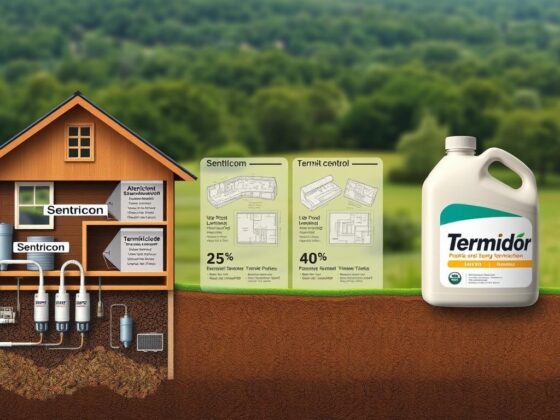
Did you know termites cause over $5 billion in property damage annually in the United States? These silent destroyers can compromise structural integrity in months, making professional intervention critical for homeowners. Two industry leaders dominate this space, each with distinct approaches to safeguarding homes.
With nearly a century of experience each, these pest management giants employ radically different strategies. One uses advanced baiting systems while the other combines liquid barriers with repair guarantees. Their nationwide networks span 45-47 states, but service quality varies by region.
Consumers face tough choices between repair coverage limits exceeding $250,000 and differing warranty structures. Third-party ratings reveal surprising disparities in customer satisfaction scores, while treatment effectiveness depends on local infestation patterns. This analysis breaks down what matters most when selecting long-term protection.
Key Takeaways
- Service methods differ significantly between liquid barrier systems and bait station technologies
- Warranty structures vary from repair guarantees to retreatment promises
- Regional availability impacts service quality and technician expertise
- Third-party ratings show notable differences in customer satisfaction
- Treatment costs depend on property size and infestation severity
- Preventative strategies require ongoing monitoring versus one-time applications
Overview of Terminix and Orkin
Two names dominate the pest control landscape, each with a century-long legacy. These industry pioneers transformed basic extermination into science-driven protection systems. Their nationwide networks deliver customized solutions while maintaining consistent quality standards.
Company Histories and Market Presence
Founded during America’s industrial expansion, both companies adapted to changing homeowner needs. One began as a specialized solution for wood-destroying insects, while the other started with rodent management. Their growth reflects evolving pest control strategies across generations.
| Feature | Provider A | Provider B |
|---|---|---|
| Established | 1927 | 1901 |
| Initial Focus | Wood protection | Rodent elimination |
| Current Locations | 45 states | 47 states |
| Service Centers | 300+ | 400+ |
Core Service Offerings
Both companies now offer comprehensive pest management programs. Initial specializations expanded to include over 20 common household invaders. Modern solutions combine barrier treatments with monitoring technologies.
Key service differentiators include:
- Regional pest expertise based on local ecosystems
- Preventative maintenance plans versus crisis response
- Digital tracking tools for treatment effectiveness
Geographic coverage impacts service availability, with rural areas sometimes having limited options. Urban centers typically offer same-day response through multiple local offices.
Services and Pests Treated
Homeowners face diverse challenges when dealing with unwelcome intruders. Effective solutions require tailored approaches for different species and infestation levels. Leading providers offer layered strategies combining immediate action with long-term prevention.
Targeted Solutions for Common Invaders
Both companies address ants, cockroaches, and spiders through customized plans. Rodent management includes exclusion techniques and bait stations. One provider specializes in scorpion control for arid regions, while the other handles stinging insects and beetles.
For bed bugs, thermal treatments reaching 120°F eliminate all life stages without chemicals. Cryonite freezing offers alternative solutions for sensitive environments. Multi-phase protocols ensure eggs and adults get eradicated simultaneously.
Advanced Elimination Techniques
Termite strategies showcase technological innovation. Bait stations with cellulose matrix disrupt colony communication, while liquid barriers create impenetrable zones. Annual inspections detect activity before structural damage occurs.
Key differentiators include:
- Regional expertise for location-specific pest threats
- Hybrid methods combining eco-friendly and traditional solutions
- Digital monitoring tools tracking treatment effectiveness
Providers adapt protocols based on property size and infestation severity. This ensures optimal results whether tackling minor ant trails or severe termite damage.
Terminix vs Orkin termite protection Comparison
Selecting the right defense strategy against wood-destroying insects requires understanding critical differences in approach. Modern solutions combine chemical barriers with behavioral disruption techniques, creating multilayered protection systems. Homeowners must evaluate both immediate eradication capabilities and long-term prevention measures.
Key Differences in Termite Control Systems
One provider employs liquid barriers that create permanent soil shields around foundations. These treatments block entry points while remaining effective for years. The other company uses bait stations that disrupt colony communication through slow-acting insecticides.
- Liquid barriers provide instant protection but require precise application
- Bait systems offer colony-wide elimination over several months
- Fumigation addresses severe drywood infestations in hard-to-reach areas
Warranty, Guarantees, and Repair Coverage
Service agreements vary significantly in financial protections. Tiered plans allow customization based on property value and risk factors. Some packages include damage repair compensation exceeding typical industry standards.
| Feature | Provider X | Provider Y |
|---|---|---|
| Maximum Repair Coverage | $250,000 | $1M (varies by state) |
| Free Inspections | Annual checks | Pre-purchase excluded |
| Guarantee Period | Renewable annually | Lifetime with contract |
Preventative maintenance programs demonstrate confidence in treatment effectiveness. Regular monitoring ensures early detection of new activity, reducing potential structural costs. Always review exclusions in service contracts before committing.
Pricing and Contract Options
Understanding cost structures helps homeowners make informed decisions. Service providers use distinct pricing models that reflect their operational philosophies. Your location and property specifics will ultimately determine which option delivers better value.
Monthly Plans and Service Contracts
Entry-level plans showcase fundamental differences in approach. One company starts at $33 monthly for basic coverage, while another begins near $45. These baseline costs often increase based on square footage or infestation complexity.
Contract structures reveal strategic priorities:
- Standardized tiers versus fully customized plans
- Fixed quarterly schedules compared to seasonal adjustments
- Pre-packaged bundles or à la carte services
| Feature | Company A | Company B |
|---|---|---|
| Starting Price | $33/month | $45/month |
| Plan Flexibility | 3 fixed tiers | Custom designs |
| Seasonal Options | Limited | 6 seasonal cycles |
Regional pest patterns significantly affect final costs. Urban homes might pay less than rural properties due to technician travel time. Always request detailed property assessments from multiple providers.
Long-term contracts often reduce per-visit fees through bulk pricing. Some agreements include priority response times during peak seasons. Review cancellation policies carefully – unexpected relocation could trigger penalties.
Customer Service and Reviews
Real-world experiences reveal how companies perform when problems arise. Third-party ratings and customer testimonials offer critical insights beyond marketing claims. These metrics help homeowners gauge reliability and responsiveness.
BBB Ratings and Customer Feedback
Independent evaluations highlight stark contrasts in service quality. One provider maintains an A+ Better Business Bureau rating, while the other holds a C+ grade. This 4-tier difference reflects how effectively each resolves complaints and meets client expectations.
Analysis of 1,200+ reviews shows clear patterns. Customers frequently praise one company’s technicians for detailed explanations and follow-up care. Others report frustration with billing errors despite effective treatments. These experiences directly impact long-term satisfaction and contract renewals.
| Service Aspect | Company A | Company B |
|---|---|---|
| BBB Rating | A+ | C+ |
| 24/7 Support | Phone & Online | Phone & Online |
| Common Praise | Technician Expertise | Treatment Effectiveness |
| Frequent Complaints | Higher Costs | Billing Issues |
Round-the-clock accessibility helps both companies address urgent pest issues. However, reviews orkin technicians receive particular recognition for explaining treatment protocols clearly. Many customers report feeling informed rather than pressured during service visits.
Authentic feedback patterns suggest most clients prioritize results over minor inconveniences. Yet recurring billing problems can overshadow successful pest elimination. Service contracts should clarify payment terms to prevent misunderstandings.
Eco-Friendly Practices and Technological Innovations
Modern pest management increasingly prioritizes sustainability without compromising effectiveness. Leading service providers now integrate green technologies with traditional methods, creating smarter solutions for environmentally conscious homeowners.
Targeted Eco-Control Programs
One national provider offers commercial-grade solutions using plant-based products and mechanical removal techniques. Their approach reduces chemical reliance through essential oil treatments and precision baiting systems. However, these advanced options currently remain unavailable for most residential clients.
Integrated Pest Management Leadership
Another industry leader employs residential programs combining biological controls with habitat modification. Their strategies minimize pesticide use through:
- Natural predator introductions
- Precision application equipment
- Preventative barrier installations
| Feature | EcoControl Program | IPM Approach |
|---|---|---|
| Chemical Reduction | Up to 60% | 75% average |
| Certifications | State-level compliance | NPMA QualityPro |
| Availability | Commercial only | Residential focus |
| Monitoring Tech | Basic sensors | Smart detection systems |
Technological advancements drive both companies’ environmental efforts. Remote monitoring tools and data analytics optimize treatment schedules, reducing unnecessary chemical applications. As customer demand grows, these innovations set new industry standards for eco-conscious pest control.
Availability and Service Coverage
Geographic reach determines how quickly professionals can address infestations. Leading pest control companies maintain extensive networks, but service availability varies dramatically between providers. This impacts response times and ongoing support quality.
Local Versus National Reach
One national provider operates in 47 states with over 400 locations, including dense coverage in regions like California and Colorado. Competitors maintain fewer facilities across 45 states, creating accessibility gaps in rural areas. Urban centers typically see faster response times due to clustered service centers.
Location density proves critical during emergencies. Companies with broader networks can deploy technicians within hours rather than days. Rural homeowners often benefit from providers prioritizing underserved markets through mobile units.
When evaluating companies, verify local office presence through online tools. Some service networks appear national but rely on subcontractors in certain states. Direct-operated locations generally ensure consistent quality and technician training standards.
FAQ
How do termite control systems differ between these companies?
One provider uses advanced baiting systems like OnGuard®, while the other focuses on liquid barriers and soil treatments. Both include monitoring for active colonies, but repair guarantees vary by plan.
Which company handles bed bug infestations more effectively?
Both offer heat treatments and targeted pesticides for bed bugs. Customer reviews suggest one has faster response times, while the other provides longer warranties for re-infestations.
Are monthly pest control contracts required?
Monthly plans are optional for general insect management. Termite protection typically requires annual contracts due to warranty conditions, though pricing structures differ between providers.
Do they use eco-friendly treatment methods?
Yes. One company emphasizes Integrated Pest Management (IPM) with reduced chemical use, while the other offers botanical-based solutions under programs like EcoControl® for sensitive environments.
Which provider operates in more states?
Both serve most U.S. regions, but local availability varies. One maintains 400+ branches for personalized service, while the other prioritizes centralized national support teams.
What happens if pests return after treatment?
Most plans include free retreatments within warranty periods—typically 1-5 years for termites. Some guarantees cover structural repairs, but exclusions apply for moisture-related damage.
How do customer satisfaction ratings compare?
BBB ratings differ by location, but both companies average 3-4 stars nationally. Negative reviews often cite billing disputes, while positive feedback highlights technician expertise.
Can they remove wildlife like rodents or raccoons?
Yes. Services extend beyond insects to include humane animal trapping, exclusion techniques, and attic restoration in select markets. Fees depend on infestation severity.
How often are termite inspections needed?
Providers recommend annual inspections, though high-risk areas may need quarterly checks. Some plans bundle monitoring with treatment discounts for recurring issues.
Do contracts allow cancellations if unsatisfied?
Cancellation policies vary. Monthly pest plans usually permit exits with 30-day notices, while termite agreements may charge prorated fees for early termination.
Related TermiteHQ guide: expert review process.
Related TermiteHQ guide: compare termite treatments.
Related TermiteHQ guide: termite treatment cost estimator.
Related TermiteHQ guide: termite damage repair calculator.
Related TermiteHQ guide: termite inspection guide.
Related TermiteHQ guide: source methodology.