Every year, wood-eating insects cause more property damage in the U.S. than tornadoes and hurricanes combined. These hidden invaders compromise structural integrity in ways most insurance policies don’t cover, turning prevention into a critical financial safeguard.
Modern pest management offers two primary defense strategies. Chemical perimeter treatments create temporary shields around foundations but lose potency over seasons. Alternatively, bait-based solutions work covertly to eradicate entire networks at their source – including reproductive queens.
Your choice hinges on three factors: environmental safety, lasting results, and property compatibility. Traditional methods require repeated applications and may affect surrounding ecosystems. Advanced systems eliminate colonies systematically while leaving minimal ecological footprints.
Key Takeaways
- Structural damage from wood-destroying insects often exceeds insurance coverage limits
- Modern solutions range from chemical perimeter defenses to colony-targeting bait systems
- Environmental impact varies significantly between treatment types
- Long-term effectiveness differs based on application method and property layout
- Professional consultation ensures optimal protection for your specific situation
As pest management evolves, industry leaders increasingly favor solutions that combine scientific precision with environmental responsibility. The right approach balances immediate results with sustainable prevention – a decision that protects both your investment and ecosystem health.
Overview of Termite Treatments
Homeowners often overlook the financial risks posed by unseen pests. In humid regions like Florida, wood structures become magnets for destructive insects that compromise foundations silently. Most insurance policies exclude coverage for this type of damage, turning prevention into a necessity rather than an option.
The Evolution of Pest Management
Early termite control methods relied heavily on chemical barriers requiring frequent reapplications. Today’s solutions focus on colony elimination through bait stations that disrupt insect life cycles. This shift addresses environmental concerns while providing longer-lasting results.
Guarding Your Greatest Investment
A single infestation can weaken support beams and flooring undetected for years. Repair costs often reach tens of thousands – expenses most policies won’t cover. Modern treatment options combine scientific precision with eco-conscious designs, offering protection that adapts as pests evolve.
Choosing the right approach requires understanding your property’s vulnerabilities and local pest behavior patterns. Professionals now use monitoring technology to detect activity early, preventing minor issues from becoming structural emergencies.
Understanding Sentricon Termite Treatment
Modern pest control harnesses insect behavior to protect homes. Baiting systems disrupt colonies by targeting their survival mechanisms. This approach stops infestations at their source rather than just repelling pests.
How Baiting Systems Eliminate Termite Colonies
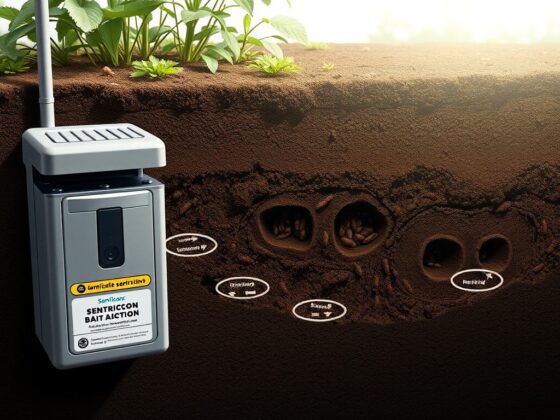
Specially designed stations attract worker insects searching for food. These foragers carry bait back to their nest through natural feeding patterns. The distributed material contains compounds that interfere with molting – a critical growth phase.
Colony structure plays a key role in this process. Workers share food with soldiers and reproductive members through trophallaxis. This social behavior ensures the entire population consumes the active ingredients, including the egg-laying queen.
When the queen stops producing new members, the colony collapses. This systematic approach prevents survivors from rebuilding. Monitoring stations track activity levels, allowing adjustments for complete eradication.
Installation depth matters for effectiveness. Professionals place stations 8-10 inches below ground near high-risk areas. Discreet caps maintain yard aesthetics while creating invisible protection zones.
Sentricon vs liquid termite barrier
Home protection strategies vary in their approach to pest management. Some methods create physical shields while others disrupt biological processes. The choice affects both immediate results and long-term ecosystem health.
Effectiveness and Safety Profiles
Chemical defenses form temporary shields around foundations. These solutions require flawless application – gaps smaller than a pencil lead can compromise protection. Shifting soil and plant roots often create entry points within months.
Bait-based alternatives work differently. They use insect social behavior to distribute growth inhibitors through entire colonies. This approach prevents survivors from regrouping elsewhere on the property.
| Feature | Liquid Termiticide | Bait System |
|---|---|---|
| Application Method | Soil drench around foundation | Strategic station placement |
| Coverage Challenges | Gaps develop over time | Adapts to pest movement |
| Longevity | Degrades in 2-5 years | Remains active until consumed |
| Environmental Impact | Potential groundwater contamination | No soil leaching |
Structural and Ecological Considerations
Soil treatments can harm beneficial microorganisms and plant life. Pets may encounter residual chemicals during digging or play. These solutions require careful handling during application and subsequent landscaping work.
Alternative methods eliminate colonies without introducing harsh compounds. Their targeted approach preserves surrounding ecosystems while maintaining yard aesthetics. Monitoring systems provide ongoing defense without chemical refresh cycles.
Installation and Application Methods
Proper installation determines a treatment’s success. While some methods demand invasive groundwork, others prioritize minimal disruption. The approach impacts timelines, costs, and long-term reliability.
Liquid Treatment Application Challenges
Chemical-based solutions require precise execution. Technicians must dig trenching around the entire foundation, often breaking through concrete slabs or driveways. This creates unbroken barriers but risks damaging irrigation lines or plant roots.
Hardscaped areas complicate the process. Professionals use specialized drills to penetrate thick surfaces, which adds labor hours. The ground must settle post-application, delaying landscape restoration for weeks.
Sentricon System Setup Process
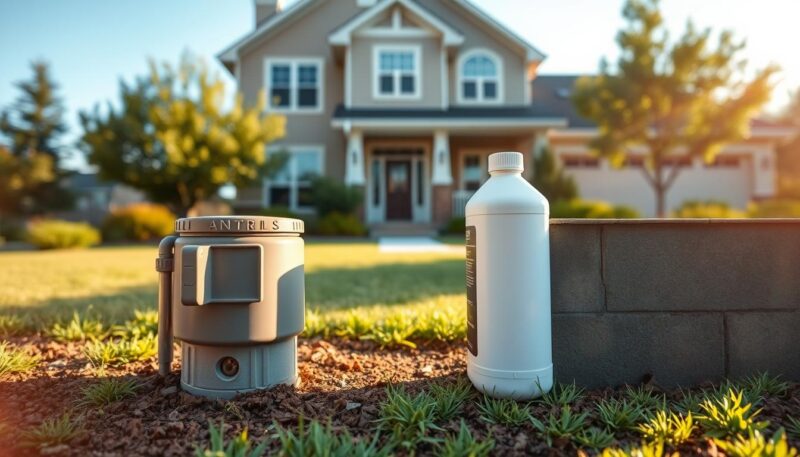
Bait-based defenses take a streamlined approach. Certified professionals place monitoring stations at strategic intervals around your property. No trenching or drilling occurs, preserving walkways and gardens.
These stations sit flush with the ground, requiring minimal space. Technicians check them periodically, adjusting placements based on activity patterns. The entire installation often finishes faster than preparing chemical barriers.
Both methods demand expertise, but bait stations reduce human error risks. They adapt to shifting soil and pest behavior without structural modifications. This makes them ideal for homes with complex foundation designs or delicate landscaping.
Advantages and Disadvantages of Each Method
Choosing between pest management strategies requires weighing immediate needs against future security. Both approaches offer distinct pathways to safeguard homes, but their operational differences impact budgets, ecosystems, and maintenance routines.
Soil-Based Chemical Solutions
Initial affordability makes soil treatments appealing for short-term budgets. These products create chemical shields that remain active for several years. Their underground placement keeps yards visually clean while deterring wood-destroying insects.
However, installation often involves digging trenches around foundations. This disrupts landscaping and risks damaging irrigation systems. Contamination concerns arise near wells or vegetable gardens, requiring careful placement.
Bait Station System Features
Eco-conscious solutions use termite bait stations that eliminate colonies through biological interference. These require no soil disturbance during installation, preserving mature trees and hardscapes. Continuous monitoring ensures protection adapts to changing pest behavior.
The approach demands patience, as workers must discover stations naturally. Upfront costs exceed traditional methods, but reduced maintenance balances expenses over time. This treatment eliminates entire networks rather than just repelling individual insects.
Homeowners should consider how each way aligns with their property layout and environmental values. Soil treatments work best for immediate perimeter defense, while bait systems provide evolving protection against future invasions.
Long-Term Protection and Maintenance
Maintaining structural integrity requires more than initial treatments—it demands vigilant oversight. Annual inspections form the backbone of effective defense strategies, ensuring your property remains safeguarded against hidden threats. Professionals use advanced tracking tools to deliver precision monitoring without disrupting daily life.
Monitoring and Follow-Up Services
Modern systems thrive on regular checkups. While yearly service meets manufacturer guidelines, experts often increase visits in high-risk regions. This adaptive approach accounts for seasonal activity spikes and local pest behavior patterns.
Technicians access perimeter stations independently, eliminating scheduling hassles. Digital reporting tools track bait consumption and colony responses in real time. These insights help refine protection strategies over multiple years.
| Service Feature | Basic Plan | Premium Plan |
|---|---|---|
| Inspections Per Year | 1 | 4 |
| Technician Access | Scheduled Appointments | 24/7 Remote Monitoring |
| Technology Used | Manual Checks | Smart Sensors + AI Analysis |
| Follow-Up Actions | Bait Replacement | Full Ecosystem Assessment |
Experienced providers combine field knowledge with cutting-edge diagnostics. Their service protocols identify structural vulnerabilities before pests exploit them. This proactive mindset transforms protection from temporary fixes to lasting solutions.
Consistent care pays dividends over years, preventing costly repairs down the line. Today’s monitoring tech offers peace of mind through automated alerts and historical data comparisons. Trustworthy professionals turn complex science into simple, reliable safeguards for your home.
Why Professionals Recommend Sentricon
Specialized knowledge separates effective pest management from temporary fixes. Certified technicians bring decades of research-backed strategies to home protection, ensuring solutions match modern infestation challenges.
Certifications and Expert Training
Proper installation demands 250+ hours of species-specific education. Professionals master colony behavior patterns and bait placement science through manufacturer-approved programs. These credentials guarantee precise application of the insect growth regulator – a compound disrupting pest development at molecular levels.
Success Rates and Customer Satisfaction
Field studies show 97% colony elimination rates against aggressive subterranean species. Homeowners report fewer retreatments compared to traditional methods, with 89% recommending the approach to neighbors. Continuous monitoring adapts defenses as pest pressures shift seasonally.
The system’s environmental precision protects beneficial insects while targeting destructive ones. By combining expert oversight with biochemical innovation, professionals deliver lasting security that chemical barriers can’t match. Your home deserves this level of specialized care.
Related TermiteHQ guide: expert review process.
Related TermiteHQ guide: compare termite treatments.
Related TermiteHQ guide: termite treatment cost estimator.
Related TermiteHQ guide: termite damage repair calculator.
Related TermiteHQ guide: termite inspection guide.
Related TermiteHQ guide: source methodology.