Did you know invasive wood-destroying insects cause over $1 billion in U.S. property damage annually? Among these pests, one species stands out for its ability to devour a 2×4 wooden stud in just 25 days – faster than most termite colonies take six months to achieve.
This review examines how major pest control companies address these aggressive invaders. While many providers offer comprehensive solutions, some service gaps leave homeowners vulnerable. One prominent company’s Four-Seasons Protection Plan notably excludes coverage for these specific wood-eating insects despite high customer satisfaction scores elsewhere.
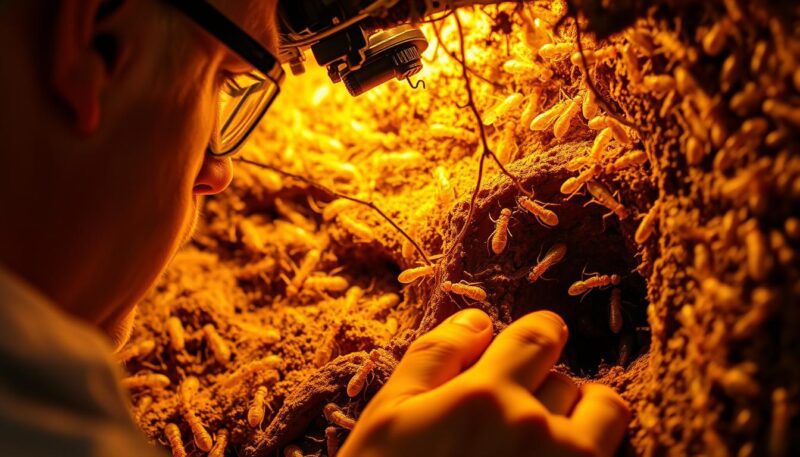
Originating from East Asia, these invasive insects first appeared in U.S. coastal regions four decades ago. Their underground colonies can grow 10 times larger than native species, with worker populations exceeding 350,000. This biological advantage enables them to compromise structural integrity faster than typical infestations.
Key Takeaways
- Major pest control providers may lack specialized solutions for aggressive invasive species
- Underground colonies require different treatment approaches than common household pests
- Coastal regions face higher risks from rapidly spreading infestations
- Preventative plans often exclude coverage for wood-destroying organisms
- Independent review sites reveal service limitations in critical protection areas
- Structural damage timelines vary significantly between pest species
Understanding these biological differences helps homeowners choose appropriate protection strategies. While general pest management services work for common issues, they might not address the unique challenges posed by fast-moving subterranean colonies.
Product Overview and Key Features
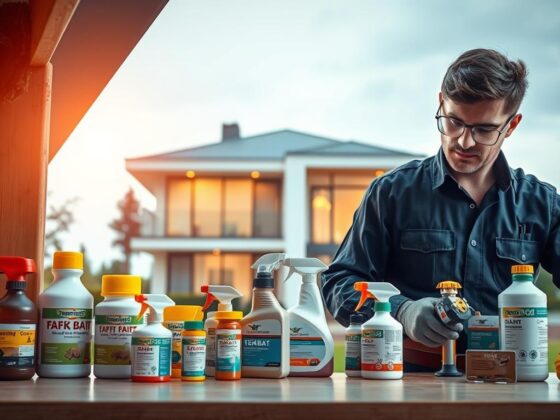
Seasonal pest invasions challenge homeowners seeking reliable protection strategies. One national provider offers a bundled solution combining quarterly maintenance with eco-conscious methods. Their approach prioritizes prevention through scheduled exterior treatments and rapid response protocols.
Certified specialists begin with detailed property assessments. They map entry points and activity hotspots using specialized detection tools. Customized treatment blueprints address each home’s unique vulnerabilities, from foundation cracks to moisture-prone areas.
The program uses plant-derived formulas containing pyrethrin compounds. These botanical ingredients break down faster than synthetic alternatives while maintaining pest control effectiveness. Micro-encapsulation technology extends product durability against rain and UV exposure.
| Feature | Benefit | Consideration |
|---|---|---|
| Quarterly Visits | Consistent barrier maintenance | Exterior focus only |
| Free Re-Treatments | Quick issue resolution | Limited to scheduled pests |
| Natural Formulas | Reduced chemical exposure | Shorter residual effect |
Clients receive priority scheduling for unexpected pest recurrences between appointments. This service guarantee demonstrates confidence in treatment outcomes. However, the standardized plan structure may not accommodate specialized infestations requiring targeted protocols.
Maintenance visits concentrate on perimeter defense using advanced application techniques. Service technicians reapply protective barriers while monitoring previous treatment zones. The cyclical approach aligns with pest breeding patterns and seasonal migration behaviors.
Aptive’s Four-Seasons Protection Plan Breakdown
Effective home protection requires strategies that address both immediate threats and long-term prevention. The Four-Seasons Plan combines proactive measures with scientific precision, designed to disrupt pest life cycles while safeguarding property integrity.
Initial Inspection & Targeted Treatment
Certified technicians begin with a 360-degree property evaluation. They map entry points and environmental risks like moisture zones or vegetation contact. Critical treatment areas such as foundations and garages receive immediate attention during this phase.
Specialists apply flushing agents to eliminate 70-80% of active infestations. This initial strike targets adults but leaves eggs intact due to product safety regulations. The process removes visible nests and webs while sealing structural vulnerabilities.
Quarterly Follow-Up & Re-Treatment
Service teams return within six weeks to address hatched eggs and residual activity. Subsequent maintenance visits occur every three months using advanced application methods. Power sprayers deposit micro-encapsulated formulas that bond to surfaces, resisting rain and UV degradation.
| Phase | Action | Impact |
|---|---|---|
| Initial Visit | Flushing treatment + physical removal | 70-80% adult reduction |
| Follow-Up | Egg-targeted applications | Break breeding cycle |
| Quarterly | Barrier reinforcement | 6-month protection |
This phased approach ensures continuous pest control without overwhelming chemical use. Technicians adjust strategies based on seasonal patterns and property changes, maintaining defense against evolving threats.
Aptive termite treatment Formosan termite effectiveness
Protecting homes from invasive wood pests requires specialized strategies that adapt to unique biological threats. While many providers address common insects, some destructive species demand targeted approaches beyond standard service plans.
Certain wood-consuming colonies grow ten times faster than native varieties, with workers consuming structural materials at alarming rates. Their ability to create self-sustaining nests within walls allows infestations to spread undetected for months. Moisture absorption through specialized nest materials enables survival without ground contact – a critical adaptation that complicates eradication.
This biological complexity creates challenges for general pest management programs. Standard perimeter treatments often miss concealed colonies, while limited inspection protocols may overlook early warning signs. The absence of dedicated wood pest services in some company portfolios leaves homeowners vulnerable to rapid structural compromise.
Key considerations for property protection include:
- Colony size and reproductive rates exceeding standard treatment capacities
- Aerial nest construction bypassing soil-based detection methods
- Accelerated damage timelines requiring immediate intervention
Residents in high-risk areas should verify service coverage details with providers. Many reputable control companies offer free consultations to assess specific property vulnerabilities and recommend appropriate defense strategies.
Eco-Friendly Pest Control: Ingredients & Methods
Modern pest management solutions increasingly prioritize environmental safety alongside effectiveness. One national provider uses chrysanthemum-derived formulas containing natural pyrethrins – botanical compounds that break down rapidly in sunlight and soil. These organic products maintain pest-fighting power while minimizing risks to beneficial pollinators and household pets.
The company partners with the EPA’s Pesticide Environmental Stewardship Program to reduce chemical risks in residential settings. Their approach combines plant-based ingredients with micro-encapsulation technology, creating protective barriers that last 30% longer than conventional sprays. This balance allows homeowners to address infestations without compromising air quality or outdoor ecosystems.
Key advantages of these eco-conscious methods include:
- Low-toxicity formulas safe for use around food preparation areas
- Rapid decomposition that prevents groundwater contamination
- Targeted applications preserving beneficial insect populations
Beyond residential services, the provider supports global health initiatives through malaria prevention donations. While their botanical approach works well for common invaders, specialized wood-destroying species often require different treatment protocols. Consumers should verify whether a company’s environmental commitments align with their specific pest control needs.
Service Structure and Inspection Process
The cornerstone of lasting property protection lies in structured service protocols and expert assessments. Certified specialists initiate every project with a 360-degree evaluation, mapping entry points and environmental risks like standing water or dense foliage. This inspection process identifies both active infestations and conditions that could attract future invaders.
During initial visits, technicians apply targeted solutions to reduce adult populations by 70-80%. Since eggs resist conventional treatments, specialists schedule follow-up visits within six weeks. This phased approach accounts for biological development cycles, addressing new hatchlings before they reproduce.
Key features of the maintenance program include:
- Quarterly exterior treatments using weather-resistant formulas
- Priority scheduling for unexpected pest activity between visits
- Documented service records tracking treatment effectiveness
Micro-encapsulation technology extends protective barriers around home perimeters, bonding treatments to surfaces for extended durability. Service guarantees demonstrate confidence in these methods – if pests reappear, technicians return at no additional cost.
The systematic methodology combines immediate results with long-term prevention. By aligning visits with seasonal patterns and breeding behaviors, this approach creates adaptive defenses against evolving threats.
Treatment Methodologies for Home Pest Control
Residential pest management demands strategies that adapt to both seasonal patterns and persistent invaders. Certified technicians employ advanced application systems to create protective barriers around properties. Their primary tool – industrial-grade power sprayers – ensures precise distribution of specialized formulas across foundations and entry points.
The micro-encapsulation technology in these solutions forms weather-resistant shields. Unlike traditional sprays, these bonded particles resist rain and irrigation while maintaining potency for months. This approach minimizes chemical exposure indoors by concentrating efforts on exterior surfaces where most infestations originate.
Quarterly service visits follow a dual-phase protocol:
- Perimeter reinforcement using targeted sprays for ants, spiders, and mosquitoes
- Strategic placement of monitoring devices for cockroaches and fleas
Interior interventions occur only when inspections reveal active indoor colonies. This measured response prevents unnecessary chemical use in living spaces. Treatment blueprints adapt to each property’s layout, considering factors like landscaping density and structural vulnerabilities.
The methodology prioritizes prevention through recurring barrier maintenance rather than reactive extermination. By aligning applications with pest breeding cycles, technicians disrupt colonies before they establish footholds. This proactive model reduces long-term reliance on chemical treatments while maintaining robust protection.
Homeowners receive detailed documentation tracking application zones and pest activity patterns. These records help refine future strategies, creating adaptive defenses against evolving insect behaviors in residential environments.
Re-Treatment Policies and Additional Visit Strategies
Responsive service models separate effective pest control plans from basic maintenance programs. Many providers now offer free interim visits to address unexpected activity, ensuring year-round protection without surprise fees.
Customers facing recurring issues can request same-week inspections through priority scheduling systems. Most companies dispatch technicians within 24-48 hours for urgent cases – critical timing when dealing with fast-reproducing invaders. These services typically include complimentary re-treatments if pests reappear between scheduled appointments.
Three key advantages define modern service plans:
1. No-cost follow-ups for verified infestations within coverage periods
2. Custom treatment adjustments based on seasonal pest behavior shifts
3. Digital tracking of service history and problem areas
While standard programs involve quarterly visits, providers often recommend extra inspections after severe weather events. Homeowners should confirm response timelines and coverage limitations before signing contracts. Clear communication channels enable faster resolutions when dealing with persistent pest challenges.
Related TermiteHQ guide: expert review process.
Related TermiteHQ guide: compare termite treatments.
Related TermiteHQ guide: termite treatment cost estimator.
Related TermiteHQ guide: termite damage repair calculator.
Related TermiteHQ guide: termite inspection guide.
Related TermiteHQ guide: source methodology.