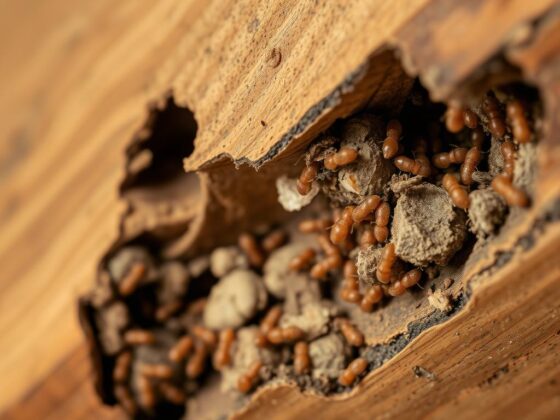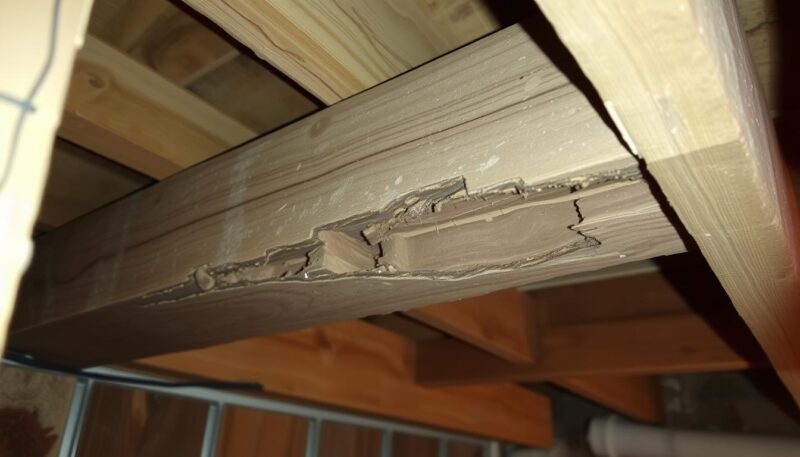
Fort Wayne’s humid continental climate creates ideal conditions for termite activity. With warm, humid summers and cold winters, our region experiences significant termite pressure, particularly from subterranean termites that thrive in Indiana’s clay-rich soils. Regular inspections are crucial for early detection, as termites cause over $5 billion in property damage annually across the United States, with many homeowners insurance policies excluding termite damage.
Why Annual Termite Inspections Matter in Fort Wayne
Fort Wayne’s clay-heavy soil retains moisture, creating perfect conditions for subterranean termites to establish colonies. These destructive pests can remain hidden for years while causing extensive damage to your home’s wooden structures. The freeze-thaw cycles in our region can also create foundation cracks that serve as entry points for termites.
Eastern subterranean termites, the most common species in Allen County, can consume wood 24/7 and remain active year-round once inside heated homes. A mature colony can contain millions of termites and potentially cause thousands of dollars in structural damage before visible signs appear.
Protect Your Biggest Investment
Don’t wait until you see termite damage. Professional inspectors have specialized tools to detect termite activity before visible signs appear. Schedule your comprehensive termite inspection today.
Annual Termite Inspection Checklist Fort Wayne IN
While professional inspections are recommended annually, homeowners should conduct quarterly visual inspections, especially before spring swarm season (typically April-May in Fort Wayne). Use this comprehensive checklist to thoroughly examine your property:

Exterior Inspection Points
- Foundation Perimeter: Walk the entire foundation perimeter, checking for mud tubes (pencil-width tunnels termites build for travel). Pay special attention to areas where soil meets concrete or wood.
- Wood-to-Soil Contact: Identify any wooden structures (steps, posts, fences) making direct contact with soil. These create direct highways for termites to enter your home.
- Moisture Issues: Check for improper drainage, leaking outdoor faucets, or standing water near the foundation. Fort Wayne’s clay soil already retains moisture, so additional water sources compound termite risk.
- Mulch Beds: Inspect mulch beds adjacent to the foundation. Maintain at least 6 inches between mulch and siding, as Fort Wayne’s humid climate makes mulch an attractive termite habitat.
- Wood Debris: Remove any firewood, lumber, or wooden debris stored against the house or directly on the ground.

Interior Inspection Points
- Basement/Crawlspace Check: Use a flashlight to examine wooden joists, support beams, and sill plates. Use a screwdriver to check for hollow sounds in wood, which may indicate termite tunneling.
- Window and Door Frames: Inspect wooden frames for damage, particularly swollen areas or paint bubbling, which may indicate moisture and termite activity.
- Drywall Inspection: Look for tiny holes, bubbling paint, or areas that sound hollow when tapped. Check for discarded termite wings near windowsills (especially in spring).
- Flooring Examination: Check for sagging or squeaky floors, which may indicate structural damage below. Look for blistering or buckling in wood flooring.
- Attic Assessment: Examine wooden roof supports and stored items for signs of termite activity or water damage that could attract termites.
- Plumbing Areas: Inspect around pipes and drains where they enter walls, as these create access points for termites and often have higher moisture levels.

Fort Wayne-Specific Termite Considerations
Local Soil Conditions
Fort Wayne’s predominantly clay soil retains moisture, creating ideal conditions for subterranean termites. The high clay content in Allen County soil allows termites to build extensive tunnel systems without the soil collapsing. This enables colonies to spread more efficiently throughout your property.
Additionally, our soil’s moisture retention properties mean that even during drier periods, subterranean termites can find sufficient water to sustain their colonies. This makes year-round vigilance essential for Fort Wayne homeowners.
Common Termite Species
Eastern subterranean termites (Reticulitermes flavipes) are the primary termite species in Allen County. These termites build their colonies underground and construct mud tubes to access above-ground food sources. They’re particularly active during spring swarm season when reproductive termites emerge to establish new colonies.
Formosan termites, though less common in Indiana, have been gradually expanding their range northward. These aggressive termites build larger colonies and cause damage more rapidly than native species, making early detection crucial.

Termite Prevention Tips for Fort Wayne’s Climate
Effective Prevention Measures
- Maintain at least 6 inches between soil and wooden structures
- Ensure proper drainage away from foundation (crucial with Fort Wayne’s clay soil)
- Fix leaky pipes, faucets, and AC units promptly
- Keep gutters clean and functioning properly
- Use termite-resistant materials for any new construction
- Store firewood at least 20 feet from your home and elevated off the ground
- Consider professional preventative treatments, especially effective in our region
Practices to Avoid
- Allowing mulch to contact your home’s foundation
- Creating excessive moisture around your foundation
- Ignoring foundation cracks (common after Fort Wayne’s freeze-thaw cycles)
- Storing cardboard boxes directly on basement floors
- Planting shrubs too close to your foundation
- Neglecting annual professional inspections
- DIY termite treatments without proper knowledge
Recommended Termite Inspection Companies in Fort Wayne
While DIY inspections are valuable, professional termite inspectors have specialized tools and expertise to detect early infestations. Here are reputable termite inspection companies serving Fort Wayne:
Terminix Fort Wayne

Offers comprehensive termite inspections with advanced moisture meters and infrared technology. Their technicians are specifically trained in identifying termite species common to Northeast Indiana.
Orkin Pest Control

Provides detailed termite inspections tailored to Fort Wayne’s specific soil conditions and termite species. Their annual protection plans include regular monitoring for new termite activity.
AAA Exterminating

Locally owned company with extensive knowledge of Fort Wayne’s termite patterns. Offers free inspections and specializes in environmentally friendly treatment options suitable for Indiana homes.
Don’t Wait Until It’s Too Late
The best time for a professional termite inspection in Fort Wayne is before spring swarm season begins. Most companies offer free or low-cost initial inspections.

Frequently Asked Questions
How often should crawl spaces be checked for termites in Fort Wayne?
In Fort Wayne’s climate, crawl spaces should be inspected at least quarterly, with special attention in early spring (March-April) before swarm season begins. The combination of our clay soil and seasonal moisture makes crawl spaces particularly vulnerable to termite activity. Professional inspections are recommended annually, but homeowners should conduct visual inspections more frequently, especially after heavy rain periods when termite activity increases.
What are signs of subterranean termites specific to Fort Wayne homes?
The primary signs of subterranean termites in Fort Wayne homes include:
- Mud tubes on foundation walls, especially on the south-facing sides of homes where soil warms faster
- Discarded wings near windows and doors during spring swarm season (April-May in Fort Wayne)
- Hollow-sounding wood, particularly in older homes with original wooden components
- Bubbling or peeling paint that resembles water damage, common in Fort Wayne’s older neighborhoods
- Frass (termite droppings) that resembles small wood-colored pellets
- Sagging floors or doors that suddenly become difficult to close, often mistaken for normal settling in our clay soil regions
When is termite swarm season in Fort Wayne?
Termite swarm season in Fort Wayne typically occurs from mid-April through May, when temperatures consistently reach above 70°F and following spring rains. During this period, mature termite colonies release winged reproductive termites (alates) to establish new colonies. Fort Wayne homeowners often notice these swarmers near windows, doors, and light fixtures. Finding discarded wings is a strong indicator of termite presence and should prompt an immediate professional inspection.
Are termite inspections required when selling a home in Fort Wayne?
While Indiana state law doesn’t mandate termite inspections for real estate transactions, many mortgage lenders require a Wood Destroying Insect (WDI) inspection before approving loans, especially for FHA and VA mortgages. Fort Wayne is classified in the “moderate to heavy” termite infestation probability zone according to HUD guidelines, making these inspections particularly important for local real estate transactions. Even when not required, a termite inspection certificate can be a valuable selling point in our market.

Protect Your Fort Wayne Home from Termites
Regular termite inspections are an essential part of responsible homeownership in Fort Wayne. Our region’s clay soil, seasonal moisture patterns, and temperature fluctuations create ideal conditions for termite activity. By following this annual inspection checklist and working with professional inspectors, you can protect your most valuable investment from these destructive pests.
Remember that early detection is key to preventing extensive damage. Schedule your professional termite inspection before spring swarm season begins, and implement the prevention tips outlined in this guide to create a termite-resistant environment around your home.
Schedule Your Annual Termite Inspection Today
Don’t wait until you see signs of termite damage. Professional inspectors can detect termite activity long before visible damage occurs. Protect your Fort Wayne home with a comprehensive termite inspection.

Related TermiteHQ guide: expert review process.
Related TermiteHQ guide: compare termite treatments.
Related TermiteHQ guide: termite treatment cost estimator.
Related TermiteHQ guide: termite damage repair calculator.
Related TermiteHQ guide: termite inspection guide.