What Termite Damage Looks Like in Different Materials
Termite damage varies by species, wood type, moisture level, and how long the colony has been active. Subterranean termites hollow out wood from the inside, following the softer spring-growth grain and leaving a thin veneer of paint or surface wood intact. Drywood termites create smooth-walled galleries and kick out fecal pellets through small exit holes. Dampwood termites target high-moisture wood and leave larger, irregular galleries.
In structural framing, damage often appears as sagging floors, uneven door frames, or cracks near window corners. Tap suspect wood with a screwdriver handle—damaged areas sound hollow and may give way under light pressure. Subterranean damage typically starts near the ground or where wood contacts soil, while drywood damage can appear anywhere in the structure, including attics and second-story trim.
Drywall may blister or bulge where termites tunnel behind it. Paint may bubble or peel in patterns that resemble water damage but without corresponding plumbing leaks or roof issues. Baseboards may separate from walls, and door frames may warp even when humidity levels remain stable.
Exterior siding—especially wood or fiber-cement products—can show surface pitting, soft spots, or hollow sections. Subterranean termites often build mud tubes up the foundation to reach siding, while drywood termites enter through cracks or gaps and work outward from inside. Vinyl or aluminum siding can hide damage to the wood sheathing underneath until removal or renovation.
Mud Tubes, Frass, and Other Physical Evidence
Mud tubes are pencil-width tunnels made of soil, wood particles, saliva, and feces that subterranean termites build to travel between soil and food sources. They appear on foundation walls, piers, joists, and sometimes interior walls if the colony is large. Tubes may be active (moist, with visible termites inside when broken) or abandoned (dry, brittle, empty). Finding an empty tube does not mean the infestation is over—termites may have moved to another route or paused activity seasonally.
Frass is the term for drywood termite fecal pellets. These are tiny, oval, hard pellets that resemble coarse sand or sawdust and accumulate in small piles below exit holes (kick-out holes). Frass color ranges from light tan to dark brown depending on the wood being consumed. Subterranean and dampwood termites do not produce frass piles—they use their waste to build tubes or mix it into gallery walls.
Discarded wings near windowsills, door frames, or light fixtures indicate a recent swarm. Reproductive termites (alates) shed their wings after landing to start new colonies. Wings are translucent, equal in length, and have a veined pattern. Swarms typically occur in spring or fall depending on species and region, and last only 30–40 minutes.
Live termites are rarely seen unless wood is opened or a swarm occurs. Worker termites are soft-bodied, pale, and avoid light. Soldiers have larger, darker heads with mandibles. If you see insects that resemble white ants crawling on exposed wood or inside broken mud tubes, collect a specimen in a sealed container or take a clear photo for identification during inspection.
How to Assess Damage Severity Without Causing Further Harm
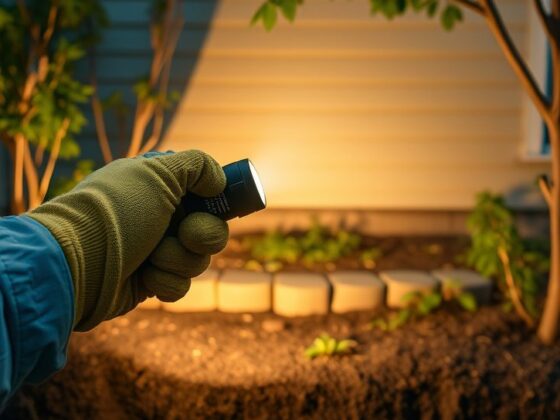
Start with a visual survey of accessible areas: foundation perimeter, crawl spaces, basements, attics, and areas where wood contacts soil or concrete. Use a flashlight and screwdriver to gently probe suspect wood. Insert the tip into cracks, joints, or soft-looking areas—damaged wood will yield easily, and the screwdriver may punch through the surface into hollow galleries.
Do not remove large sections of drywall, siding, or structural members without professional guidance. Opening infested wood can expose termites to air and light, causing them to retreat deeper into the structure and making treatment more difficult. If you find active damage, photograph it, note the location, and stop probing.
Check for secondary moisture problems. Termite damage often overlaps with rot, mold, or water intrusion, especially in crawl spaces, bathrooms, and areas near leaking gutters or plumbing. Moisture accelerates both termite activity and wood decay, so addressing leaks and drainage issues is part of the repair plan.
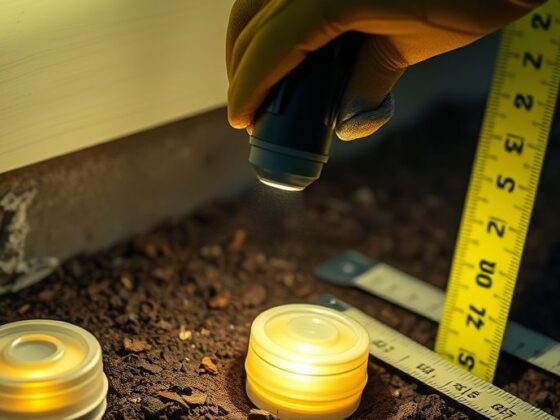
Document what you find with photos, measurements, and notes about location, material type, and any visible insects or tubes. This record helps the inspector focus on high-risk areas and provides a baseline for tracking treatment effectiveness and repair scope.
When Damage Requires Immediate Professional Inspection
Schedule an inspection immediately if you find active termites, fresh frass, or mud tubes in load-bearing members such as floor joists, support beams, or wall studs. Structural damage in these areas can compromise building safety, especially if the wood has lost significant cross-sectional strength.
Inspect before closing on a home purchase. Most lenders require a termite inspection, and many states mandate a Wood-Destroying Insect (WDI) report as part of real estate transactions. If the report identifies active infestation or prior damage, negotiate treatment and repair costs before closing or request a re-inspection after treatment to confirm clearance.
Inspect after discovering unexplained structural changes: doors or windows that suddenly stick, floors that feel spongy, or cracks that appear without obvious foundation movement. These symptoms can result from termite damage, moisture problems, or settling, and a licensed inspector can distinguish between them.
Inspect if neighbors report infestations. Subterranean termite colonies are large and can forage across multiple properties. If nearby homes have been treated, your property may be at elevated risk, especially if construction is similar or if you share landscape features like mulch beds, wood fences, or tree stumps.
For more guidance on what inspectors evaluate, see our termite inspection overview.
Treatment Must Happen Before Structural Repair
Repairing damaged wood without eliminating the termite colony wastes money and hides ongoing activity. Treatment comes first, followed by a waiting period to confirm the infestation is controlled, then repair. The treatment method depends on termite species, infestation extent, and building construction.
Subterranean termite treatment typically involves liquid termiticides applied to the soil around and under the foundation, bait stations installed in the ground, or a combination of both. Liquid treatments create a chemical barrier that kills termites on contact or as they return to the colony. Bait systems use slow-acting insect growth regulators that workers carry back to the colony, eventually eliminating the queen and collapsing the population. Both methods take weeks to months to achieve full control.
Drywood termite treatment options include whole-structure fumigation (tenting), localized wood treatment with borates or non-repellent insecticides, heat treatment, or freezing. Fumigation is the most comprehensive method for widespread drywood infestations but requires vacating the building for several days. Localized treatments work for small, accessible infestations but carry higher risk of missing hidden colonies.
After treatment, the pest control company should provide a completion certificate, warranty terms, and a recommended re-inspection schedule. Most warranties require annual inspections and cover re-treatment if termites return, but do not cover new infestations from different colonies or structural repair costs.
For a comparison of treatment approaches, visit our treatment comparison guide.
Planning and Budgeting for Structural Repair
Repair scope depends on damage location, extent, and whether the affected wood is cosmetic or load-bearing. Cosmetic repairs—such as replacing baseboards, trim, or non-structural siding—typically cost $200–$1,000 depending on material and labor rates. Structural repairs—replacing joists, beams, studs, or subfloors—range from $1,500 to over $15,000 depending on access, material type, and whether temporary support or permits are required.
Obtain multiple repair estimates from licensed contractors experienced with termite damage. General contractors, carpenters, or structural engineers may be involved depending on the severity. Ask whether the estimate includes removal of damaged wood, treatment of surrounding areas with borate or other preventive products, and any necessary permits or engineering review.
Some pest control companies offer repair services or partner with contractors. While convenient, compare pricing and qualifications independently. Structural work should be performed by licensed contractors, and load-bearing repairs may require engineer approval and building department inspection.
Insurance rarely covers termite damage or treatment because it is considered preventable through maintenance and inspection. Policies typically exclude damage from insects, rot, or gradual deterioration. Review your policy and contact your agent if you believe the damage resulted from a sudden, covered event such as a plumbing failure that created conditions attracting termites.
Use our damage repair cost calculator to estimate expenses based on damage type, location, and your region.
Preventing Future Damage After Repair
Eliminate wood-to-soil contact around the foundation. Replace wood siding, lattice, or deck posts that touch the ground with concrete, metal, or composite materials. Maintain a 6-inch gap between soil and any wood siding or framing.
Control moisture in crawl spaces, basements, and attics. Repair leaks, improve ventilation, and consider vapor barriers or dehumidifiers in high-humidity areas. Termites require moisture to survive, and damp wood is more attractive and easier to damage.
Remove wood debris, stumps, and untreated lumber from the yard. Store firewood at least 20 feet from the house, elevated off the ground on a rack. Avoid using wood mulch directly against the foundation—use gravel or rubber mulch in a 12-inch band around the perimeter.
Maintain termite treatment and monitoring systems according to the pest control company’s recommendations. Liquid barriers degrade over time, and bait stations require periodic inspection and bait replacement. Annual inspections catch new activity before significant damage occurs.
Seal cracks in the foundation, gaps around utility penetrations, and openings where pipes or wires enter the building. Drywood termites can enter through openings as small as 1/32 inch. Use caulk, foam, or metal mesh depending on the gap size and location.
For additional prevention strategies, see our treatment and prevention methods guide.
What to Expect During the Repair Process
Repair timelines vary from a few days for minor cosmetic work to several weeks for extensive structural projects. Contractors may need to open walls, remove flooring, or access crawl spaces, which can disrupt daily routines. Discuss the work schedule, dust control measures, and whether you need to vacate any areas during construction.
Structural repairs often require temporary support systems such as jacks or shoring to stabilize the building while damaged members are removed and replaced. This work is technical and should be supervised by a licensed contractor or engineer, especially in multi-story buildings or homes with complex framing.
Permits may be required for structural repairs, electrical or plumbing work, or changes to load-bearing walls. The contractor should handle permit applications and schedule inspections with the local building department. Completing work without required permits can create problems during future sales or refinancing.
After repair, request documentation including invoices, material receipts, photos of the work in progress, and copies of any permits or inspection approvals. This record supports warranty claims, insurance documentation, and future property transactions.
How Termite Damage Affects Property Value and Disclosure
Most states require sellers to disclose known termite damage and treatment history. Disclosure laws vary, but failing to disclose material defects can result in legal liability after closing. If you are selling, provide copies of inspection reports, treatment records, and repair invoices to prospective buyers.
Buyers should review WDI reports carefully and consider independent inspections if the seller’s report is outdated or incomplete. Reports older than 30–90 days may not reflect current conditions, especially in high-risk regions or seasons.
Properly treated and repaired termite damage does not necessarily reduce property value if documentation is complete and the work was performed by licensed professionals. Undisclosed damage, incomplete repairs, or active infestations can significantly impact value and complicate financing.
Lenders may require treatment completion and re-inspection before approving a mortgage if the WDI report identifies active infestation or structural damage. Some lenders also require proof of ongoing termite protection such as a monitoring contract or warranty.
Questions to Ask Your Inspector and Contractor
When hiring an inspector, ask about their licensing, experience with your termite species, and whether they use moisture meters, thermal imaging, or other diagnostic tools. Request a written report with photos, damage locations marked on a diagram, and recommendations for treatment and repair.
Ask the pest control company about treatment methods, expected timelines, warranty coverage, and re-inspection schedules. Confirm whether the warranty is transferable if you sell the property and what conditions might void coverage.
When hiring a contractor for repairs, ask whether they have experience with termite damage, if they apply preventive treatments to new wood, and whether they coordinate with the pest control company to ensure treatment is complete before starting work. Request references from similar projects and verify their license and insurance.
Ask about the repair method: will damaged wood be removed entirely or reinforced in place? Reinforcement (sistering joists, for example) may be acceptable for minor damage but full replacement is often necessary for severe deterioration or load-bearing members.
Regional and Species-Specific Damage Patterns
Subterranean termites are the most common and destructive species in the United States, active in every state except Alaska. Damage is most severe in the Southeast, Gulf Coast, and California, where warm temperatures and high humidity support year-round activity. In these regions, untreated infestations can cause significant structural damage within 3–5 years.
Drywood termites are common in coastal areas, particularly Southern California, Florida, and Hawaii. They infest attics, furniture, and framing without requiring soil contact, making detection more difficult. Damage develops more slowly than subterranean infestations but can be widespread if multiple colonies establish in the same structure.
Dampwood termites are less common and typically infest wood with high moisture content such as rotting logs, stumps, or water-damaged framing. They are larger than other termite species and cause extensive damage in localized areas, but rarely spread beyond the moisture source.
Formosan subterranean termites, an invasive species in the Southeast, build much larger colonies and cause damage more rapidly than native subterranean species. They can also build above-ground nests (cartons) in wall voids or attics if sufficient moisture is present, making treatment more complex.
For species-specific identification and behavior, see our types of termites guide.
Sources and Methodology
This guide draws on EPA guidelines for termite control and pesticide use, University of Florida IFAS Extension publications on termite identification and damage assessment, Texas A&M AgriLife Extension resources on structural pest management, and National Pest Management Association (NPMA) professional standards for inspection and treatment. Regional damage patterns and species behavior are based on USDA Forest Service research and state agriculture department pest alerts.
Repair cost ranges reflect national averages from contractor estimates, insurance industry data, and homeowner surveys, adjusted for regional labor and material costs. Treatment timelines and warranty terms are based on standard industry practices and state licensing requirements.
TermiteHQ does not provide pest control, contractor referrals, or structural engineering services. This content is educational and should not replace professional inspection, treatment, or repair by licensed professionals. For more about our editorial process, see our source methodology and expert review policy.