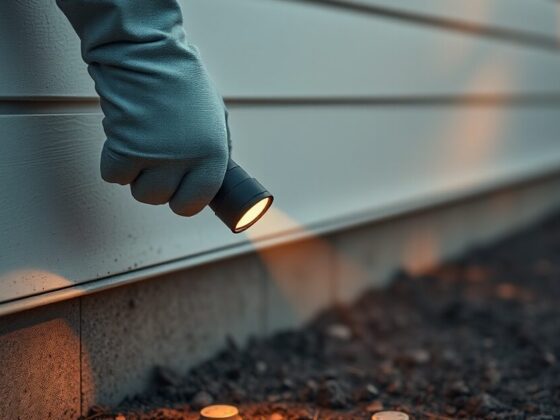
A termite inspection follows a structured sequence. The inspector starts outside, checking the foundation perimeter, soil-to-wood contact points, exterior wood trim, and any visible structural members. They move to below-grade or enclosed spaces—crawlspaces, basements, subfloor access panels—where subterranean termites most often enter. Interior rooms are examined for mud tubes along baseboards, hollow-sounding wood, frass piles below ceiling joists, or moisture stains that indicate conducive conditions. The attic and garage receive close attention because exposed framing, stored lumber, and roof leaks create both drywood and subterranean termite opportunities.
You can observe the inspection and ask questions, but the inspector works faster without an extended walkthrough. Most professionals appreciate a brief tour to note prior repairs, known leaks, or areas of concern, then prefer uninterrupted access. If the property is vacant or part of a real-estate transaction, the inspector works alone and photographs findings for the report.
The inspection does not include invasive probing—inspectors use flashlights, moisture meters, and sounding tools to tap wood, but they will not cut drywall, remove insulation, or dismantle built-ins unless you arrange a more intensive evaluation separately. According to NPMA and state licensing standards, a standard inspection covers visible and accessible areas only. Hidden damage behind walls or inside sealed cavities may not be detected until remodeling or a follow-up targeted inspection.
What you can do now: walk your own perimeter and note any mud tubes, wood-to-soil contact, or signs of infestation before the inspector arrives. You cannot diagnose species or damage extent on your own, but you can point out areas that warrant closer attention. If you are buying or selling, confirm whether the inspection is for informational purposes, lender requirement, or state-mandated disclosure, because report format and liability differ by transaction type.
What Changes the Scope and Depth of a Termite Inspection
Not every termite inspection follows the same path. The inspector’s focus, time spent in each area, and tools used shift based on property type, foundation design, moisture history, and whether the inspection is tied to a real estate transaction or a homeowner’s maintenance check.
Foundation type drives access and method. Slab-on-grade homes limit crawlspace inspection but require close attention to expansion joints, plumbing penetrations, and exterior grade contact. Homes with raised foundations or full basements offer direct visual access to floor joists, sill plates, and subfloor framing—areas where subterranean termites often build mud tubes or cause hidden damage. Pier-and-beam structures may require the inspector to navigate tight crawlspaces with limited headroom, which can reduce the percentage of accessible framing.
Moisture presence changes both risk and inspection intensity. Inspectors spend more time in bathrooms, laundry rooms, and areas near HVAC condensate lines when they detect elevated humidity, visible water stains, or soft wood. Moisture attracts subterranean termites and supports drywood termite survival in wood with higher moisture content. If the inspector finds active leaks or poor drainage grading, the report may note conducive conditions even without live termite evidence.
Real estate context tightens standards. Pre-sale inspections in states that require Wood-Destroying Insect (WDI) reports follow stricter documentation protocols than annual maintenance checks. The inspector must note all evidence of past or present activity, distinguish old damage from active infestations, and clarify whether prior treatments are still under warranty. Buyers and lenders rely on these reports to assess risk and negotiate repairs or treatment costs before closing.
Species probability also shapes the inspection. In the Southeast, inspectors look for subterranean termite mud tubes along foundation walls and in crawlspaces. In Southern California, Arizona, and coastal areas, they check attic framing, window sills, and exposed wood for drywood termite frass and kickout holes. Formosan termite pressure in Gulf Coast states may prompt closer scrutiny of trees, fences, and exterior wood-to-soil contact points.
Treatment history matters when the property has an existing termite warranty or a documented treatment within the past five years. The inspector may request service records, verify the treatment type—liquid termiticide barrier, bait stations, or localized spot treatment—and check whether the warranty requires annual renewals or re-inspections. If the treatment was incomplete or the warranty lapsed, the report should clarify coverage gaps.
Access restrictions are common and must be disclosed. Locked storage areas, finished walls without removable panels, insulation that blocks floor joists, and furniture placed against exterior walls all limit what the inspector can see. The report will note these restrictions, and in real estate transactions, buyers may request access before waiving inspection contingencies. Use the Termite Risk Score to understand how limited access affects overall property risk assessment.
What You Can Do Before the Inspector Arrives
A termite inspection is a licensed professional’s responsibility, but you can prepare in ways that make the visit more productive and help you ask better questions. The goal is not to diagnose termites yourself—that requires training, tools, and liability insurance—but to document what you see, organize records the inspector may want, and understand where your own observations stop.
Start by walking your property with a phone camera and a flashlight. Photograph any visible mud tubes on foundation walls, discolored wood near plumbing penetrations, cracked paint that looks hollow underneath, or small piles of frass (insect droppings that resemble sawdust or sand). Take wide shots that show location—”southeast corner of garage, near water heater”—and close-ups that capture texture. You are not identifying the species or confirming active infestation; you are creating a visual record the inspector can reference and compare against their findings.
Gather any past termite inspection reports, treatment records, or warranties. If you bought the home within the last few years, pull the disclosure statement and pre-sale pest report. If a treatment was performed, locate the contract, diagram, and product labels if available. Inspectors use this history to check whether bait stations are still in place, whether soil treatments are near their expected lifespan, and whether previous damage was repaired or simply covered. Missing records do not disqualify the inspection, but they limit the inspector’s ability to assess continuity.
Clear access to crawl spaces, attic hatches, electrical panels, and water-heater closets. Move stored boxes away from foundation walls in basements and garages. Inspectors need to see wood-to-soil contact points, sill plates, and floor joists. If access is blocked, note it and explain why—some areas may require a return visit or partial inspection.
Write down your questions. If you have seen signs of infestation, ask the inspector to evaluate those areas first. If you are buying or selling, ask whether the report format meets your contract’s requirements. If you have had previous treatments, ask whether the current inspection includes a warranty check. Do not ask the inspector to estimate treatment cost during the walk—most will provide that separately, in writing, after they complete the report.
Understand the limits of self-assessment. You cannot safely probe structural wood without risking further damage. You cannot distinguish between subterranean, drywood, and dampwood termites from a photo. You cannot determine whether an old mud tube is dormant or whether insects inside painted wood are termites, carpenter ants, or powderpost beetles. These distinctions require species identification, moisture meters, and sometimes lab confirmation. Preparing well means knowing when to stop and let the licensed professional take over.
When Professional Judgment Changes the Outcome
Most termite inspections follow a predictable sequence—crawlspace access, moisture meter readings, visual scans of wood-to-soil contact points. The outcome shifts when an inspector encounters ambiguous evidence: old mud tubes with no live workers, wood damage that could be carpenter ants or prior termite activity, or moisture patterns that suggest hidden colonies behind finished walls. Licensed judgment determines whether the report triggers a treatment recommendation, a monitoring note, or a referral for invasive probing.
Robert Trawick, a licensed inspector who has reviewed thousands of pre-sale reports, notes that the highest-stakes moment occurs when an inspector finds trace evidence in a finished basement or behind drywall. A single abandoned tube may reflect a colony that died years ago or a satellite group still active in an adjacent wall void. The inspector’s call—whether to note “prior activity, no current evidence” or “evidence of infestation, treatment recommended”—directly affects contract negotiations, buyer contingencies, and seller disclosure obligations. That decision relies on field experience with local termite behavior, seasonal activity patterns, and the specific construction details of the home.
Professional standards from the National Pest Management Association require inspectors to distinguish between active infestations and conditions conducive to infestation, but the boundary is not always clear. An inspector who finds damp wood in a crawlspace with no visible termites must decide whether to flag the moisture as a risk factor or recommend immediate treatment based on high local termite pressure. State licensing boards and real-estate disclosure laws vary on how inspectors must report uncertainty, which is why two inspectors examining the same evidence may produce different recommendations.
When an inspection report includes phrases like “recommend further evaluation” or “unable to inspect due to access limitations,” the next step usually involves a specialist with thermal imaging equipment, a borescope, or invasive probing tools. These follow-up inspections cost extra and extend closing timelines, but they resolve ambiguity that affects treatment scope and cost. Buyers and sellers should clarify with the inspector whether the initial report is sufficient for the transaction or whether additional evaluation is standard practice in the local market.
Understanding where professional judgment enters the process helps property owners interpret inspection reports and ask the right follow-up questions. The Termite Risk Score tool provides context for how local termite pressure and construction type affect inspection outcomes, and the Expert Team page explains the field experience behind TermiteHQ’s educational approach. For more on how TermiteHQ evaluates professional sources, see the Source Methodology and Expert Review Policy.