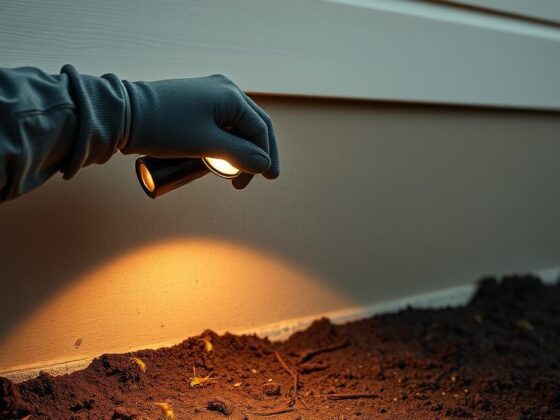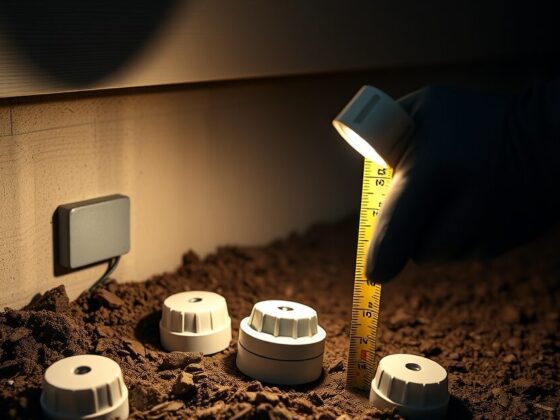
A termite inspection report translates what an inspector found during a physical property visit into a format you, your lender, or your buyer can act on. The report does not guarantee that termites are absent—it documents what was visible and accessible on the day of inspection. Inspectors look inside crawlspaces, attics, garages, and around the foundation, but they do not open walls, move stored items, or remove insulation unless agreed in advance. If the report lists “no visible evidence,” that means the inspector saw no live termites, mud tubes, frass piles, or damaged wood in the areas they could reach, not that the property is termite-free.
Reports separate active infestation from prior damage and conducive conditions. Active infestation means live termites, fresh mud tubes, or recent frass were observed. Prior damage refers to old galleries, staining, or repairs from earlier activity. Conducive conditions—such as wood-to-soil contact, moisture intrusion, or cellulose debris near the foundation—raise future risk but are not infestations themselves. Understanding these distinctions helps you decide whether you need immediate treatment, monitoring, or moisture correction before termites arrive.
Most inspection reports also include a treatment recommendation or clearance statement. If treatment is recommended, the report will specify the termite species, affected zones, and whether a liquid termiticide, bait system, fumigation, or localized spot treatment is appropriate. If the property passes inspection, the report may include a clearance letter or certification required to close a sale. You can compare treatment options and typical costs using the treatment comparison tool and cost estimator, but final pricing and methods depend on your property’s construction, infestation severity, and local pest-control licensing rules. All TermiteHQ termite content is reviewed under the expert review policy and follows the source methodology that prioritizes university extension guidance, EPA registration data, and professional standards from NPMA and state agriculture departments.
What Changes How You Read a Termite Inspection Report
Not all termite inspection reports carry the same weight. The variables that matter most depend on what you’re trying to decide—whether you’re buying a house, managing a property warranty claim, or evaluating treatment options after finding evidence. The same report can mean different things depending on species, moisture conditions, foundation access, and whether you’re in a real-estate transaction.
Species identification changes the urgency and treatment path. A report documenting subterranean termites in soil contact with a foundation slab requires different follow-up than drywood termites in attic framing or Formosan termites in a coastal region with high colony pressure. Inspectors trained in local species can distinguish between active feeding damage and old evidence left by a previous infestation. If the report lists “termite damage” without naming the species or describing activity indicators—live insects, fresh frass, mud tubes with moist soil—you need clarification before deciding on treatment scope.
Moisture and access conditions determine what the inspector could and couldn’t see. Reports should note inaccessible crawlspace areas, sealed wall cavities, or sections blocked by stored belongings. If the inspector couldn’t access the subarea because of standing water or low clearance, the report reflects a partial view. Elevated moisture readings near wood framing, even without visible termites, often trigger recommendations for further evaluation or moisture correction. These notes matter more in regions where subterranean termites depend on consistent moisture sources.
Foundation type and construction age shape what’s normal to find. Slab foundations limit visual access to the soil-structure interface, so inspectors rely on exterior grade inspection and interior slab edges. Raised foundations with accessible crawlspaces allow direct examination of floor joists and mudsills. Older homes built before modern termite-resistant construction codes may show previous damage that was repaired and treated years ago. The report should distinguish between old cosmetic damage and current structural risk.
Transaction context adds time pressure and liability concerns. Pre-sale inspections in states that require Wood Destroying Insect (WDI) reports follow standardized forms and timelines—typically valid for 30 to 90 days. Lenders and title companies rely on these reports to clear contingencies, so even minor findings can delay closing unless the seller agrees to treat or credit the buyer. Outside of a sale, you control the follow-up timeline, and you can prioritize based on evidence age and household budget. The Termite Risk Score tool can help you weigh regional pressure, construction type, and current evidence when deciding whether to act immediately or monitor over time.
Treatment history and warranty language also matter. If the property has an active termite warranty or a recent treatment record, the report may reference retreatment terms or coverage limits. Some warranties require annual inspections and exclude pre-existing damage. If the report finds new activity in a previously treated area, the warranty holder needs to contact the original treatment company before hiring someone else, or risk voiding coverage.
What You Can Do Before the Inspector Arrives
A termite inspection report begins with the inspector’s visit, but homeowners can prepare useful information beforehand. This preparation does not replace professional assessment—you are not diagnosing an infestation or measuring treatment need—but it helps you describe what you’ve noticed, ask better questions, and understand what the inspector will look for.
Start by documenting visible clues. Walk the perimeter of your home and photograph any mud tubes on foundation walls, discolored wood near soil contact, soft spots in door frames, or small piles of frass (termite droppings that resemble sawdust or coffee grounds). Note the location of each observation using room names, compass directions, or distance from a corner. If you see swarming insects indoors during spring, capture a specimen in a sealed plastic bag; wings, antennae shape, and body segments help inspectors distinguish termites from ants. Do not disturb suspected galleries or remove large sections of wood—you may obscure evidence the inspector needs to assess colony activity and entry points.
Gather any records related to past termite work. Previous inspection reports, treatment contracts, warranty documents, and pesticide application summaries tell the inspector what products were used, where they were applied, and when retreatment or monitoring may be due. If you bought the home within the past few years, check your closing documents for a termite inspection addendum or seller disclosure. If you rent, ask the property manager or landlord for copies of the most recent inspection and any active service agreements.
Prepare a short list of questions based on what you’ve observed and what decisions you face. Examples include: “Does this mud tube indicate an active colony?”; “What species are common in this county?”; “If treatment is recommended, what are my options and how do they compare?”; “Does my homeowner’s policy require annual inspections?” You can explore treatment types in advance using the treatment comparison tool, but final recommendations depend on infestation severity, construction type, soil conditions, and local pest pressure—variables only a licensed inspector can evaluate on-site.
Understand the limits of self-assessment. Termites often work inside wall voids, beneath slabs, or in crawlspace joists that are difficult to reach without proper lighting, moisture meters, and probing tools. You cannot determine whether damage is old or ongoing, whether a colony is still present, or whether treatment has failed without specialized training and equipment. The inspection report will answer those questions using standardized terminology, measurable observations, and treatment thresholds defined by state agriculture departments and the National Pest Management Association. Your role before the visit is to observe, document, and prepare—not to diagnose or treat.
When Professional Judgment Changes the Outcome
Most termite inspection reports follow standardized templates, but the findings that matter—active infestation versus old damage, localized versus structural threat, treatment urgency versus monitoring—depend on field experience that checklists cannot encode. A licensed inspector decides whether faint mud tubes in a crawlspace indicate a colony establishing itself or a failed exploratory probe from two seasons ago. That distinction changes whether you negotiate a closing date around immediate treatment or schedule a follow-up inspection in six months.
Robert Trawick, a North Carolina-licensed inspector with structural pest-control experience across the Southeast, explains that the highest-stakes judgment calls occur when evidence sits at the edge of visibility: faint staining on a sill plate that could be moisture wicking or frass residue, hollow-sounding wood that might be old carpenter-ant damage or active subterranean feeding, swarmers near a window that flew in from a neighbor’s yard or emerged from a wall void. Inspectors trained in wood-destroying organism biology recognize patterns that photographs and written descriptions flatten into ambiguity. A homeowner reading “evidence of prior activity, no live insects observed” cannot know whether the inspector tapped every suspect board, pulled insulation to check hidden joints, or simply noted surface discoloration and moved on.
Professional routing becomes essential when an inspection report lists conditions conducive to infestation—wood-to-soil contact, poor drainage, mulch against siding—but stops short of recommending treatment. Some inspectors note these risks as educational context; others flag them as contract contingencies. If you are buying a home and the report describes “moderate conducive conditions” without defining moderate or ranking urgency, ask the inspector directly whether the conditions require correction before closing or represent long-term maintenance tasks. That clarity determines whether you request a seller credit, hire a contractor before move-in, or add the work to a five-year plan.
Similarly, treatment recommendations vary by inspector judgment and regional standards. An inspector in coastal South Carolina may recommend a full-perimeter liquid treatment after finding a single active tube in a garage, while an inspector in the same county might suggest monitoring if the tube sits far from structural wood and the home already has an older chemical barrier. Neither decision is wrong; both reflect different risk tolerances shaped by local infestation density, soil type, and the inspector’s claim history. If the report recommends treatment but does not explain why that option fits your specific evidence pattern, request a follow-up conversation before signing a treatment contract. Licensed professionals expect these questions and can walk through the reasoning that turned observations into recommendations.
For additional context on how inspection findings connect to treatment decisions, see our treatment comparison guide and expert review policy.
Related Tools, Sources, and Common Questions
Understanding what an inspection report contains is one step. Evaluating your property’s broader termite exposure is another. The Termite Risk Score tool combines climate zone, construction type, soil contact, moisture patterns, and local termite pressure to estimate relative risk before or after an inspection. Use it to prioritize monitoring intervals or compare properties during a purchase decision.
For context on what inspectors look for in the field, see Signs of Infestation. To understand how different termite species affect report language and treatment recommendations, review Types of Termites & Species. If your report recommends treatment, compare options in Treatment Comparison and estimate costs using the Treatment Cost Estimator.
This guide draws from the National Pest Management Association’s inspection standards, state structural pest control licensing regulations, university extension publications on termite biology and detection, and EPA guidance on wood-destroying organism reports. TermiteHQ does not perform inspections, recommend specific companies, or interpret individual reports. For full sourcing detail, see Source Methodology. All TermiteHQ content is reviewed by licensed professionals; attribution and credentials are listed on the Expert Team page and governed by the Expert Review Policy.
Inspection reports document observable conditions at a single point in time. They do not predict future activity, guarantee absence of termites in concealed areas, or replace ongoing monitoring. Treatment decisions, contract terms, repair scope, and real-estate contingencies require consultation with your inspector, contractor, attorney, or real-estate professional.
Frequently Asked Questions
Can I use an inspection report from the seller, or do I need my own?
You can review the seller’s report, but ordering your own inspection gives you control over timing, scope, and the opportunity to ask questions directly. Lenders and title companies sometimes require a buyer-ordered report dated within 30 days of closing.
What does “evidence of previous treatment” mean?
Inspectors note drill holes, rodding traces, or bait stations that indicate past termiticide application. This does not confirm current protection or tell you when the treatment was performed. Request service records from the seller or treatment company if the report mentions prior work.
How long is an inspection report valid?
Most lenders and real-estate contracts accept reports completed within 30 to 90 days of closing. Termite activity and conditions change, so older reports lose relevance. Some states set regulatory expiration windows for official wood-destroying organism reports.
Does a clear report mean I’ll never have termites?
No. Inspectors examine accessible areas and document visible evidence. Termites may be present in concealed spaces, or colonies may arrive after the inspection. Annual or biennial follow-up inspections catch new activity early.
What if the report lists conducive conditions but no live termites?
Conducive conditions—soil contact, moisture, wood debris—raise future risk but do not require treatment. Prioritize corrections like grading improvements, vapor barriers, or wood removal to reduce attraction. Monitor the area during future inspections.