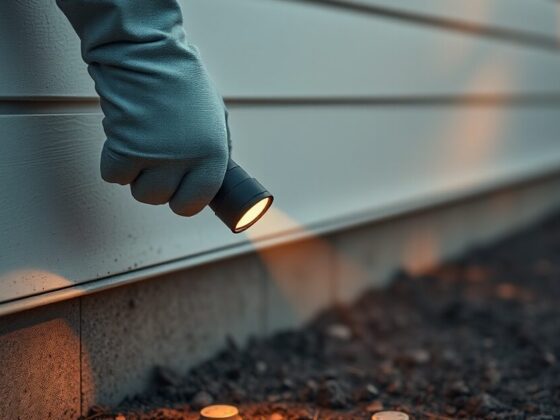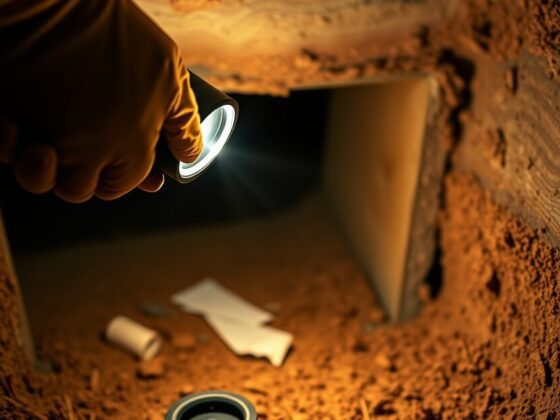
Inspection reports follow state-specific templates, but the structure is consistent: the inspector marks what was seen during a visual examination of accessible areas on a specific date. The report is not a structural engineering assessment, a moisture audit, or a prediction of future termite entry. It records mud tubes on a foundation wall, damaged floor joists in a crawlspace, discarded wings near a sliding door, or foam insulation blocking access to rim joists. Each observation appears in a numbered section with a photograph reference, location description, and—sometimes—a severity qualifier like “active,” “inactive,” or “unable to determine.”
The most common reader mistake is treating every mention of termites as an emergency or assuming that “no visible evidence” means the home is termite-free. Termite inspections are limited by access: inspectors cannot see inside walls, beneath slab foundations, or above finished ceilings unless there is an access hatch or visible damage that justifies exploratory openings. If the report notes “inaccessible areas,” those spaces were not examined. If it lists moisture stains, wood-to-soil contact, or mulch against siding in the conducive-conditions section, those are risk factors you can address without hiring a treatment crew, but they do require follow-through. The Termite Risk Score tool can help you weigh geographic pressure, construction type, and maintenance gaps after you review the report’s findings, but it does not replace the inspector’s site-specific observations or a second opinion from another licensed firm if the treatment recommendation feels disproportionate to the evidence.
What Changes How You Should Read Your Report
Not all termite findings carry the same weight. A report documenting subterranean termite mud tubes on exterior foundation walls in a humid climate requires a different response than a report noting old drywood frass in an attic vent with no live insects. The variables that matter most are species, evidence age, moisture conditions, structural access, and whether you’re buying, selling, or already own the property.
Species drives treatment urgency and cost. Subterranean termites—including Reticulitermes species common across most of the U.S.—require soil treatment or bait systems and often indicate active colonies nearby. Drywood termites such as Incisitermes species live entirely inside wood and spread more slowly, but they require localized fumigation or spot treatment. Formosan termites, a subterranean species found primarily in the Southeast and Gulf Coast, build large colonies and cause damage faster than native subterranean species. Your report should identify the species or note if identification requires lab confirmation. If the inspector writes “termite activity” without naming the species, ask for clarification before deciding on treatment scope.
Evidence age separates active infestations from old damage. Fresh mud tubes feel moist and pliable; old tubes crumble when touched. Live termites inside wood, frass that hasn’t collected dust, or swarmers near exit holes all indicate current activity. Damage noted as “inactive” or “old” with no live insects may not require immediate treatment, but it does require monitoring and moisture correction. Many reports include photos with timestamps—compare those images to what you see during your own walkthrough.
Moisture conditions amplify risk. Subterranean termites need consistent moisture, so findings near leaking pipes, poor drainage, or crawlspace condensation signal both termite risk and a structural maintenance problem. Reports often note conducive conditions separately from active infestations. A finding that lists “wood-to-soil contact at back porch” is a risk factor, not proof of termites, but it should still be corrected. According to university extension guidelines, removing conducive conditions reduces reinfestation risk even after treatment.
Foundation type and structural access affect treatment options and cost. Slab foundations limit soil treatment access and may require drilling. Crawlspaces allow direct application but may need vapor barriers or ventilation improvements. Inaccessible areas—such as finished basements, enclosed soffits, or areas blocked by stored belongings—often appear in reports as “unable to inspect.” These notations don’t mean termites are present, but they do mean the inspection is incomplete. If you’re buying a home, request access or price the unknown risk into your offer.
Transaction context changes your timeline. If you’re under contract to buy, most lenders and state disclosure laws require treatment of active infestations before closing. Sellers may offer to treat, reduce the price, or provide a repair credit. If you already own the home, you control the treatment schedule, but you should still address active findings within weeks, not months. A report from a routine annual inspection under an existing termite warranty may trigger free retreatment if the contract includes that coverage—read your warranty language before paying for additional service.
Local termite pressure also matters. High-activity zones such as coastal areas, the Southeast, and parts of California see more frequent infestations and faster damage progression. The TermiteHQ infestation map and your report’s risk rating can help you understand whether findings are common in your area or unusually severe. Reports in high-pressure zones often recommend preventive monitoring even when no live termites are found.
What You Can Do Before Calling a Professional
Once you receive a termite inspection report, you can prepare for the next conversation by documenting what you see, organizing your property records, and writing down specific questions. This preparation does not replace professional judgment, but it helps you understand what the inspector found and what decisions you may need to make.
Document Visible Evidence
If the report mentions mud tubes, damaged wood, or swarmer activity, photograph those areas with your phone. Include a ruler or coin in the frame to show scale, and take wide shots that show the location within the room or exterior wall. Note the date and time. If you see active termites, do not disturb the area—inspectors and treatment professionals often need to observe live activity to confirm species and plan treatment access.
Do not poke wood with screwdrivers, remove mud tubes, or apply store-bought sprays. Disturbing evidence can make it harder for a licensed professional to assess the extent of the infestation or determine whether the colony is still active. If the report lists multiple areas, photograph each one separately and label the images by room or exterior wall section.
Gather Property and Treatment Records
Collect any previous termite inspection reports, treatment contracts, warranty documents, and receipts for wood repairs. If you have a termite bond or renewable service agreement, locate the most recent renewal notice and the original contract terms. These records show whether your property has a treatment history, what methods were used, and whether coverage is still active.
If you are buying or selling, ask the listing agent or seller for copies of past inspection reports and proof of treatment. Many states require disclosure of known termite activity or prior treatments, and comparing old reports to the current findings can reveal whether damage is new or pre-existing.
Prepare Specific Questions
Write down questions based on the report’s findings. Useful examples include: What species did you identify? Is the infestation active or inactive? Which treatment method do you recommend for this structure and soil type? What is the estimated cost, and does it include a warranty? How long will treatment take, and do I need to leave the house?
If the report mentions conducive conditions—such as wood-to-soil contact, moisture intrusion, or landscape mulch against the foundation—ask whether fixing those issues is required before treatment or whether the treatment company will handle them as part of the service. Understanding the sequence helps you budget for both treatment and repairs.
Understand What You Cannot Diagnose Remotely
You cannot determine termite species, confirm active infestation, or assess structural damage without a licensed inspector’s tools and training. Online photos and descriptions are useful for general education, but they do not replace an in-person evaluation. If you are uncertain whether damage is termite-related or caused by wood rot, carpenter ants, or other pests, a second inspection by a different company can provide clarity.
Use the Termite Risk Score to understand your property’s baseline risk based on location, construction type, and soil conditions, but do not use it to skip professional inspection. The tool helps you prepare questions and set expectations, not replace the report itself.
When Professional Judgment Changes the Outcome
A termite inspection report documents what the inspector observed on a specific day, but the treatment recommendation depends on variables the report itself cannot measure. Two homes with identical findings—subterranean termite mud tubes on exterior foundation walls, no visible interior damage—can require different responses based on construction type, soil conditions, prior treatment history, and local termite pressure. Licensed inspectors apply professional judgment to these variables, and understanding where that judgment matters helps you evaluate whether a second opinion is worth the cost.
The clearest decision point is active versus inactive evidence. Mud tubes can remain structurally intact for years after a colony abandons a site or dies following treatment. Inspectors assess tube condition—brittle and empty versus moist with worker termites inside—but they also consider whether the home has a documented treatment history, whether neighboring properties show current activity, and whether environmental conditions favor recolonization. If your report lists mud tubes but does not specify whether the inspector broke them open or found live termites, ask for clarification before scheduling treatment. Some inspectors recommend treatment for any structural evidence; others distinguish between dormant signs and active feeding.
Damage severity is another judgment zone. Wood that shows surface galleries but retains structural integrity does not always require immediate repair, but wood with extensive hollowing near load-bearing points does. Inspectors trained in structural pest control can identify when cosmetic damage crosses into engineering concern, but they do not replace structural engineers. If your report notes “significant damage” or “structural compromise” without quantifying the affected area or load path, request a follow-up walk-through or a separate structural assessment before committing to repair costs. The damage repair cost calculator provides rough estimates, but actual scope depends on whether framing members need sistering, replacement, or monitoring only.
Treatment method selection also involves judgment. Soil-applied termiticides, bait systems, and localized wood treatments all address subterranean termites, but inspector recommendations vary based on site access, soil type, landscaping, and whether the home has a post-tension slab or other construction features that limit trenching. If your report recommends a specific treatment without explaining why alternatives were ruled out, ask. Some inspectors work exclusively with one method or one service provider, which can narrow the options presented to you.
When findings are ambiguous—possible termite damage that could also be wood rot, swarmers that might be ants, or staining that resembles but does not confirm moisture intrusion—consider a second inspection from a licensed professional with no treatment sales incentive. University extension offices and state agriculture departments maintain lists of independent inspectors in some regions. TermiteHQ’s expert team, including contributors like Robert Trawick, reviews inspection standards and common decision points, but does not perform field inspections or endorse specific providers. For high-stakes transactions or disputed findings, an independent review often resolves uncertainty faster than negotiating over the original report.