Georgia’s warm, humid climate creates an environment where wood-destroying pests thrive, posing unique challenges for property owners. These silent invaders often remain undetected for months or years, gradually weakening a structure’s stability. Many residents only recognize the problem when visible signs emerge, by which point significant harm may already exist.
Understanding the biological patterns of these organisms helps explain their persistence. Their ability to bypass traditional detection methods makes professional inspections critical. Without regular monitoring, even minor infestations can escalate into major structural concerns.
Financial preparedness proves equally vital. Most insurance policies exclude coverage for pest-related deterioration, placing responsibility squarely on homeowners. Early intervention strategies not only protect your investment but also prevent costly reconstruction projects down the line.
Key Takeaways
- Georgia’s climate creates ideal conditions for destructive pests that target wooden structures
- Infestations often progress undetected, requiring specialized inspection methods
- Standard insurance policies rarely cover related structural deterioration costs
- Professional assessments provide early detection advantages over DIY methods
- Combining preventive measures with expert guidance maximizes property protection
Understanding Termite Damage and Infestation
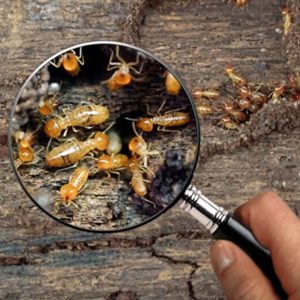
Two distinct species target Atlanta homes: subterranean and drywood varieties. While both consume cellulose materials, their behaviors differ significantly. Subterranean colonies build underground networks, requiring constant soil contact. Drywood types infiltrate wooden structures directly, needing no ground moisture to survive.
Identifying Early Signs of Termite Activity
Look for pencil-thin mud tubes along foundations – these protective tunnels connect nests to food sources. Frass (wood-colored pellets) often collects near baseboards or windowsills, resembling coarse coffee grounds. Soft spots in floorboards or door frames suggest internal weakening.
Auditory clues matter too. Faint clicking noises inside walls often indicate worker colonies communicating. Warped ceilings or buckling drywall may signal advanced infestations. Unlike ants, these pests leave no visible entry points while hollowing support beams from within.
How Termite Damage Affects Structural Integrity
These organisms consume load-bearing beams vertically, compromising weight distribution. Over time, floors may sag as joists lose tensile strength. Window frames become misaligned when surrounding wood deteriorates. Left unchecked, roof supports can collapse under accumulated stress.
Pre-1970s homes face higher risks due to outdated building materials. Modern pressure-treated lumber resists infestation better but remains vulnerable at connection points. Regular inspections help catch issues before safety hazards develop.
Steps to Inspect Your Home for Termite Damage
Effective property protection begins with systematic evaluation methods. While some indicators are visible to untrained eyes, others require specialized detection strategies.
Visual Inspection Techniques for Homeowners
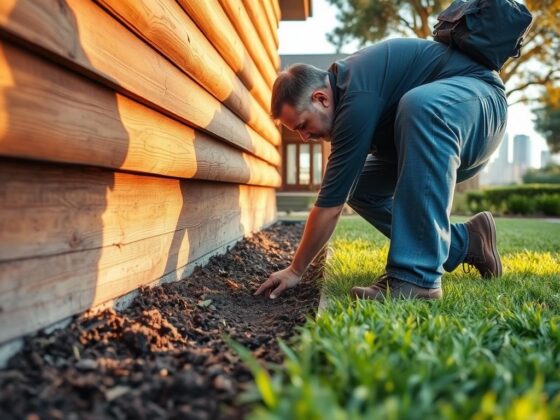
Start exterior checks at ground level. Examine concrete slabs and basement walls for pencil-width mud tubes – these clay-like tunnels often appear along your home’s foundation perimeter. Probe wooden structures near soil contact points using a flathead screwdriver, testing for soft spots.
Interior assessments demand methodical scrutiny. Check window sills and door frames for wood-colored pellets resembling coarse sand. Listen for faint clicking sounds in walls during quiet hours – worker colonies communicate through vibrations.
Utilizing Professional Inspections and Tools
Certified inspectors use thermal imaging to detect heat patterns in concealed areas. Moisture meters identify humidity levels that attract wood-consuming pests. These tools reveal problems behind walls or under floors that visual checks miss.
Experts analyze structural vulnerabilities most homeowners overlook. Their reports include prevention strategies tailored to your property’s layout. While DIY methods help spot surface issues, professional expertise prevents costly oversights in critical zones like attic beams and crawl spaces.
Termite Damage Repair Atlanta: Techniques and Best Practices
Addressing compromised building components requires strategic decision-making. Professionals first evaluate whether original materials can be salvaged or need complete replacement. This assessment determines whether to remove deteriorated sections entirely or reinforce them with supplementary supports.
Repair Options: Replacement vs. Reinforcement
Complete wood replacement becomes necessary when load-bearing elements lose over 30% of their original mass. Contractors prioritize this approach for accessible horizontal beams and floor joists. For vertical supports or hard-to-reach spaces, engineered beams get installed alongside existing structures to redistribute weight effectively.
Reinforcement techniques preserve historical architecture while enhancing safety. Steel brackets and epoxy injections stabilize partially degraded materials without altering visible surfaces. These methods maintain aesthetic continuity in heritage properties where original craftsmanship holds significant value.
Selecting Termite-Resistant Materials
Modern restoration projects increasingly use composite decking and borate-infused lumber. Cedar and redwood offer natural defenses through dense grain patterns and protective oils. Pressure-treated options resist moisture absorption – a critical factor since dampness attracts wood-consuming organisms.
Chemical treatments create lasting barriers during reconstruction. Glycol-based solutions penetrate deep into cellulose fibers, deterring future infestations. These applications work best when combined with physical barriers like stainless steel mesh in vulnerable foundation joints.
Prevention Strategies and Home Maintenance
Proactive measures create lasting protection against wood-consuming pests. Combining routine checks with environmental adjustments forms the first line of defense for properties in humid regions. Let’s explore practical methods to safeguard your living spaces.
Implementing Regular Inspections and Moisture Control
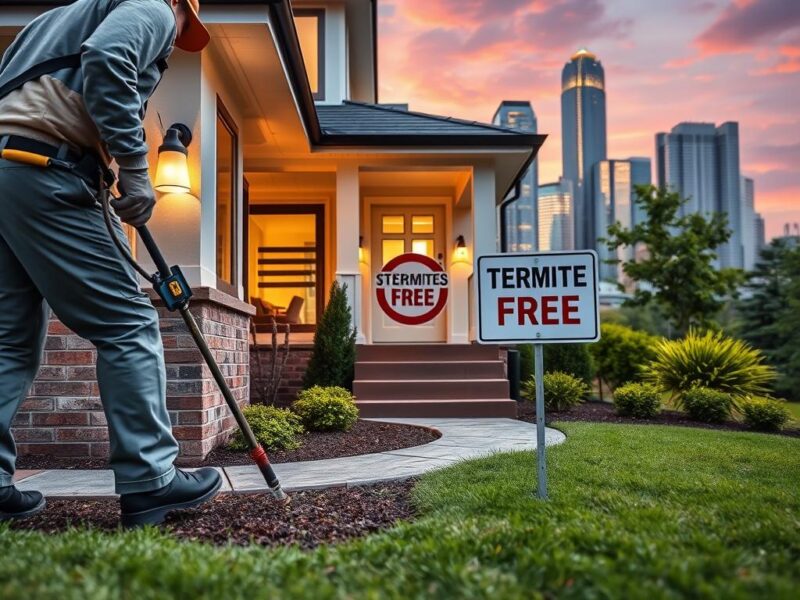
Annual professional evaluations catch hidden issues before they escalate. Specialists use infrared scanners to detect heat signatures in walls and subflooring. For high-risk zones, bi-annual checks provide extra security.
Reduce humidity around your foundation by maintaining gutters and extending downspouts. Fix leaking pipes promptly – even minor drips create ideal conditions for pests. Dehumidifiers in crawl spaces help maintain dry environments.
Landscaping and External Barriers to Deter Pests
Slope soil away from your house to prevent water pooling. Create an 18-inch gravel buffer between flower beds and exterior walls. This barrier discourages underground colonies from approaching structural wood.
| Material | Moisture Retention | Pest Resistance |
|---|---|---|
| Wood Mulch | High | Low |
| Rubber Chips | Low | High |
| Crushed Stone | None | Maximum |
Trim shrubs regularly to prevent contact with siding. Store firewood at least 20 feet from your home’s perimeter. These simple adjustments disrupt potential pathways while enhancing curb appeal.
Conclusion
Protecting residential properties from wood-destroying organisms demands both vigilance and strategic partnerships. Professional collaborations between pest specialists and construction experts create multilayered defense systems, addressing both current issues and future vulnerabilities.
Most standard insurance policies exclude coverage for biological deterioration, making prevention essential. Regular monitoring allows early detection – even extensive colonies require years to compromise structural stability significantly. This timeline gives homeowners critical windows for intervention.
Licensed contractors like Kaminsky Care and Georgia Home Remodeling combine restoration expertise with preventive solutions. Their work often includes reinforced materials and environmental modifications that discourage reinfestation. These measures prove more cost-effective than repeated partial fixes.
Ultimately, maintaining your property’s value requires understanding risks while leveraging expert knowledge. Scheduled inspections and quality repairs form an ongoing commitment to structural health, ensuring your living spaces remain secure for years to come.
FAQ
How can I tell if my home has been compromised by wood-destroying pests?
Look for hollow-sounding wood, discarded wings near windowsills, or mud tubes along foundations. Frass (insect droppings resembling sawdust) and buckling paint or drywall may also indicate activity. Early detection helps minimize risks to your property’s stability.
What long-term risks do these infestations pose to a building’s stability?
Left unchecked, pests can weaken load-bearing beams, floor joists, and support structures. Over years, this may lead to sagging floors, misaligned doors, or even partial collapses. Addressing compromised areas promptly ensures your home’s safety and value.
Should I hire experts to assess potential issues, or can I inspect myself?
While homeowners can perform basic checks for visible signs, professionals use specialized tools like moisture meters and infrared cameras to detect hidden problems. Annual evaluations by licensed inspectors are recommended for thorough assessments.
What methods are used to address weakened areas in a structure?
Solutions range from localized reinforcement with epoxy resins to full beam replacements. The approach depends on the extent of deterioration. Contractors often combine repairs with preventive treatments to avoid recurrence.
Which materials help protect against future pest-related problems?
Pressure-treated lumber, steel framing, and concrete foundations resist moisture and deter pests. For existing wood structures, borate-based treatments create barriers that reduce vulnerability to infestations.
Does homeowners insurance typically cover restoration costs for pest-related issues?
Most policies exclude infestations, as they’re considered preventable through maintenance. However, sudden structural failures caused by hidden pests might qualify for partial coverage. Review your policy and discuss options with your provider.
How often should I schedule evaluations to keep my property safe?
Annual inspections are ideal, especially in regions prone to humidity. Combine these with routine maintenance like fixing leaks, clearing debris near foundations, and ensuring proper drainage to reduce attractants.
Related TermiteHQ guide: expert review process.
Related TermiteHQ guide: compare termite treatments.
Related TermiteHQ guide: termite treatment cost estimator.
Related TermiteHQ guide: termite damage repair calculator.
Related TermiteHQ guide: termite inspection guide.