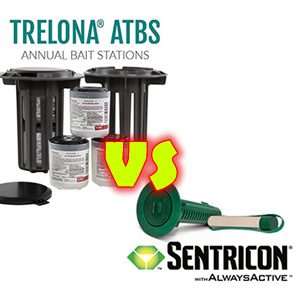
What’s the Real Deal with Sentricon vs. Trelona?
A Head-to-Head Termite Bait System Comparison
Thinking about protecting your home from termites? You’re probably running into the Sentricon vs Trelona termite bait station comparison debate. It’s a crucial question for any homeowner. The fact is, termites aren’t just a nuisance; they’re a legitimate threat to your most significant investment. They work silently, chewing away at the wood that holds your house together, and by the time you see the damage, it’s often extensive. We’re talking about billions of dollars in damage annually across the United States alone, and most of that is uninsured. So, when you’re faced with the choice between two of the most popular and effective termite baiting systems on the market, you need to understand the nuances. This isn’t just about picking a product; it’s about choosing a long-term strategy for home protection.
Comparison of Sentricon and Trelona Termite Baiting Systems
| Feature | Sentricon System | Trelona ATBS |
| Manufacturer | Corteva Agriscience (formerly Dow AgroSciences) | BASF |
| Active Ingredient | Noviflumuron | Novaluron |
| Bait Matrix | Compressed purified cellulose | Compressed purified cellulose |
| Bait Form | Always Active bait rods | Compressed bait rods (initially monitoring, then bait) |
| Mode of Action | Inhibits chitin synthesis, preventing molting and leading to colony elimination | Inhibits chitin synthesis, preventing molting and leading to colony elimination |
| Service Frequency | Typically annual inspections, but can vary | Typically annual inspections, but can vary |
| Key Advantage | Always Active bait is immediately available to foraging termites, eliminating the monitoring phase. | High density bait and large capacity for rapid termite consumption. |
The Quiet Threat: Why Termite Baiting Systems are a Game-Changer
Termite control has evolved dramatically. For decades, the go-to solution was a liquid termiticide treatment, which involved trenching around the foundation of a home and applying a chemical barrier. While effective, this method has its downsides. It’s disruptive, requires a lot of chemical application, and can be challenging to apply evenly in all soil types. It also doesn’t eliminate the colony; it just creates a barrier that termites can sometimes find a way around. You can learn more about the different types of termite treatments from sources like the University of Kentucky’s College of Agriculture, Food and Environment, which provides excellent resources on pest management.
Understanding the Termite Baiting System Revolution
Enter the era of termite baiting. This isn’t about poisoning termites; it’s a far more sophisticated and effective approach. Termite baiting systems like Sentricon and Trelona are strategically placed around your property. Termites, which are constantly foraging for food, find these bait stations, thinking they’ve discovered a new meal. They then carry the bait back to the colony, sharing it with the queen and other termites. The active ingredient in the bait, known as an insect growth regulator (IGR), doesn’t kill the termites immediately. Instead, it prevents them from molting, which is an essential part of their lifecycle. Without the ability to molt, the termites die, and eventually, the entire colony is eliminated. This is a crucial distinction. We’re not just treating the symptoms; we’re eradicating the source of the problem.
A Look at How These Systems Actually Work
Both Sentricon and Trelona operate on this same fundamental principle of colony elimination. They rely on the biology and social structure of termites to do the work for you. The bait is designed to be more appealing to termites than wood, ensuring they prefer to feed on the bait station. Once they start feeding, the clock starts ticking for the colony. The beauty of this method is its precision. Instead of spraying a broad area, you’re targeting the colony directly with a small, highly effective dose of an active ingredient. The EPA has a detailed page on the regulation and safety of these products, which is a good place to start for more information on the science behind it.
Sentricon System: The Godfather of Termite Baiting
When you think of termite baiting, Sentricon is likely the first name that comes to mind. It’s a household name for a reason. With a long history and a massive install base, Sentricon has proven its effectiveness time and again. It was a pioneer in this technology, and its Always Active feature is a key part of its appeal.
How Sentricon’s Always Active Technology Works
The Sentricon system utilizes what it calls Always Active technology. This means that from the moment a bait station is installed, it contains a low-dose bait matrix called Noviflumuron. There is no monitoring phase. The bait is always ready for foraging termites. This means that as soon as a termite finds a station, it can start feeding and take the bait back to the colony. This continuous protection is a major selling point and a significant differentiator. It’s designed to provide constant security for your home, 24/7. This system is backed by decades of research and has been successfully protecting homes since the mid-1990s. The Sentricon system has been recognized by entities like the National Pest Management Association for its effectiveness and environmental profile.
Sentricon’s History and Track Record
Sentricon’s history is a testament to its reliability. It’s been trusted by homeowners for decades and has been used to protect national landmarks, including the Statue of Liberty and the White House. This long track record provides peace of mind for many homeowners who are looking for a proven solution. The company has a strong network of certified professionals who are specifically trained to install and maintain the system, ensuring quality and consistent service.
Trelona Bait System: The New Challenger
While Sentricon has been around for a long time, Trelona is a strong contender that has been making significant inroads in the pest control market. It’s a product of BASF, a global chemical company, and brings its own set of innovations to the table. The Trelona ATBS (Advanced Termite Bait System) is designed to be a highly effective and efficient solution for colony elimination.
Unpacking the Trelona ATBS Direct-to-Colony Approach
The Trelona system also uses an insect growth regulator, but its key differentiator is its bait cartridge design. The bait matrix, which uses the active ingredient Novaluron, is designed to be highly palatable and dense. Trelona bait stations are typically installed with monitoring devices, and once termite activity is detected, the bait is then placed into the station. However, the system also has a ‘Direct-to-Colony’ approach. In cases of active infestations, bait can be placed directly where termites are found. The bait itself is a cellulose material, which is what termites eat, making it irresistible to them. The University of Florida’s Institute of Food and Agricultural Sciences has published some research on the efficacy of different baiting systems, which can be a valuable read for those wanting to dig into the science.
Key Advantages of Trelona’s Design and Formula
One of Trelona’s primary advantages is its bait capacity. Trelona bait stations can hold a large amount of bait, which allows for faster feeding and potentially quicker colony elimination. This is often a selling point for pest control professionals who want to ensure a swift response to termite activity. The design of the Trelona station also makes it easy for technicians to service and inspect, which can lead to a more streamlined and efficient process. This design efficiency is something many professionals appreciate, and it can translate into better service for the homeowner.
Sentricon vs. Trelona: The Feature Face-Off
Now that we’ve looked at each system individually, let’s get into the nitty-gritty of the Sentricon vs Trelona termite bait station comparison. This is where the real differences become clear and where you can start to decide which system might be a better fit for your specific situation.
Bait Matrix and Active Ingredient: The Core Difference
Both systems use an insect growth regulator, but the specific chemical differs. Sentricon uses Noviflumuron, while Trelona uses Novaluron. Both are incredibly effective at disrupting the molting process, but some studies suggest there can be subtle differences in how quickly they work or how long they persist. The bait matrix itself is also a point of discussion. Both use purified cellulose, which is highly appealing to termites, but the physical density and quantity in the bait stations can vary. Sentricon’s Always Active approach means the bait is always there, while Trelona’s initial monitoring phase allows for a more targeted approach, though some professionals now offer Trelona with a bait from the start.
Installation and Service: What to Expect from Each System
Installation for both systems is similar in that they involve placing stations strategically in the ground around your home’s perimeter. The main difference lies in the service protocol. With Sentricon, since the bait is Always Active, the technician is primarily checking the stations to see if they’ve been fed on. With Trelona, the technician might check for activity in monitoring stations and then replace them with active bait once termites are found. This process can vary depending on the pest control company’s specific protocol. Both systems require professional installation and regular monitoring to be effective, so it’s not a set-it-and-forget-it solution. The service contract is a crucial part of the deal.
People Also Ask: Your Top Questions Answered
We know you have questions. Here are some of the most common ones we hear from homeowners facing this decision.
Is Sentricon better than Trelona?
Neither system is universally “better.” The best system for you depends on your home’s specific needs, the type of termite you’re dealing with, and the service protocol of your pest control company. Sentricon’s Always Active feature is a huge plus for continuous protection, while Trelona’s high-capacity bait can be a faster solution for an active infestation. The choice often comes down to the pest control professional you trust and their recommendation.
How often is Sentricon bait checked?
Sentricon stations are typically checked annually, though some pest control companies might offer more frequent inspections as part of their service plan. The Always Active bait is designed to last a long time, so frequent checks aren’t as critical as they are with some other systems. Your pest control professional will work with you to establish a regular inspection schedule that provides you with peace of mind.
How does the Trelona bait system work?
The Trelona bait system works by leveraging termite biology. Foraging termites find the bait station, which contains a highly palatable cellulose bait. They feed on it and carry the bait back to the colony, sharing it with other termites, including the queen. The active ingredient, Novaluron, prevents termites from molting, which is a necessary step in their lifecycle. Without the ability to molt, the termites die, and eventually, the entire colony is eliminated. It’s a targeted, effective way to get rid of the entire colony.
Cost Analysis: Sentricon vs. Trelona
Cost is always a major factor. The initial installation cost for both systems can be similar, often ranging from $1,500 to $3,000 depending on the size of your home and the severity of the problem. The real cost difference often comes in the annual monitoring fee.
Long-Term Value and ROI
When you’re looking at the cost, you have to consider the long-term value. The goal isn’t just to get rid of termites; it’s to prevent them from coming back. Both systems offer a peace-of-mind guarantee, which means if termites return, the company will re-treat the property. This guarantee is a huge part of the return on investment. The cost of a termite baiting system is a fraction of the potential damage termites can cause, so it’s an investment in the structural integrity of your home. The key is to compare the service contracts, not just the upfront price.
The Final Verdict: Which Termite Bait System is Right for You?
Choosing between Sentricon and Trelona is a big decision, but it doesn’t have to be a complicated one. Here’s a quick guide to help you decide.
When to Choose Sentricon
Choose Sentricon if you’re looking for a proven system with a long history of success. The Always Active feature provides continuous protection, which gives many homeowners a sense of security from day one. If you want a system that has protected some of the most important buildings in the country, Sentricon is a solid choice. It’s a reliable, no-nonsense system that’s been doing its job for decades.
When to Choose Trelona
Consider Trelona if you’re looking for a system with a high-capacity bait matrix that can potentially eliminate a colony faster. The high-density bait and robust station design are major advantages. If your pest control professional recommends Trelona, it’s a good idea to listen to their reasoning. It’s a newer system but is backed by a major chemical company and has a great track record in its own right.
A Look at Independent Studies and Expert Opinions
Both Sentricon and Trelona have been the subject of numerous studies, and both are considered highly effective by entomologists and pest control professionals. The key is that they both work on the same fundamental principle: colony elimination. The differences are in the nuances of their bait matrix, active ingredients, and service protocols. A great resource for independent research is the Journal of Economic Entomology, which often publishes studies on pest control products.
Summary of Key Differences: Sentricon vs. Trelona at a Glance
For a quick recap of our Sentricon vs. Trelona termite bait station comparison, here are the key takeaways. Sentricon is the veteran with Always Active technology, offering continuous protection from day one. Trelona is the modern alternative with a high-capacity bait matrix for faster colony elimination. Both are excellent choices, and the decision often comes down to the specifics of your situation and the professional you choose to work with.
Beyond the Bait: The Importance of a Professional Termite Inspection
No matter which baiting system you choose, the most important step is a professional termite inspection. An expert can identify the type of termite you’re dealing with, assess the extent of the damage, and recommend the best course of action. Both Sentricon and Trelona are professional-grade products that require certified technicians for installation and servicing. Don’t try to do this yourself. The cost of a professional service is a small price to pay to protect your home from a silent and destructive enemy.
Related TermiteHQ guide: expert review process.
Related TermiteHQ guide: compare termite treatments.
Related TermiteHQ guide: termite treatment cost estimator.
Related TermiteHQ guide: termite damage repair calculator.
Related TermiteHQ guide: termite inspection guide.