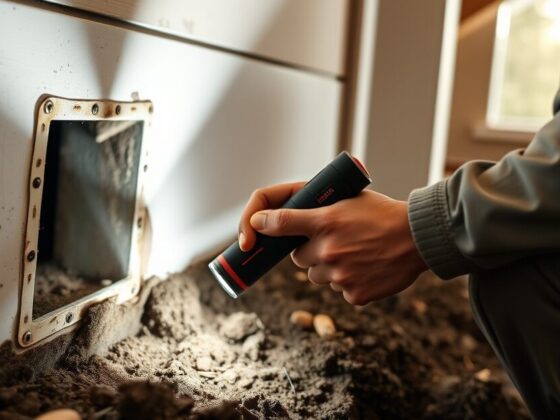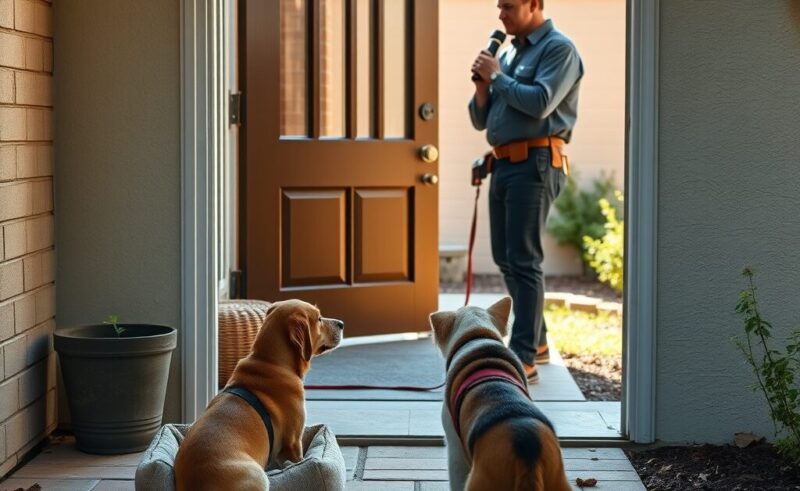
The safety window for pets during termite treatment is not a general yes-or-no answer—it is dictated by the pesticide product label, which is a legal document enforced by the EPA. Every registered termiticide includes explicit instructions for occupant and pet re-entry, ventilation requirements, and restricted-use designations. A treatment method that keeps pets safe in one scenario may require evacuation in another, depending on whether the application is exterior-only, interior spot treatment, or whole-structure enclosure.
Homeowners often assume that because a treatment is “professional” or “low-toxicity,” pets can remain on-site without restriction. In practice, even reduced-risk products such as fipronil or imidacloprid require pets to avoid direct contact with wet applications, and fumigants such as Vikane® (sulfuryl fluoride) are acutely toxic to all air-breathing organisms during the exposure period. The distinction matters because re-entry violations—allowing a pet into a treated zone before the label-specified interval has passed—can result in respiratory distress, skin irritation, or neurological symptoms, and may void the treatment warranty.
What you can determine on your own is the treatment category and whether the provider has shared the product label, Safety Data Sheet (SDS), and written re-entry instructions. What you cannot determine without the provider is whether your home’s ventilation, HVAC configuration, crawlspace access, or pet behavior (such as a dog that digs near foundation walls) creates additional risk. Licensed applicators are required to provide this information under state pesticide-use laws, and refusal to do so is a regulatory red flag. TermiteHQ’s Treatment Comparison tool organizes common methods by occupant-impact profile, and our Source Methodology explains how we verify product-label and university extension guidance. This article reflects expert review by Travis Gates and is updated as EPA labels and professional standards evolve.
What Changes Whether Pets Can Stay During Treatment
The safety window for pets depends on the treatment method, the active ingredient, the application site, and how your home is accessed during the job. No single answer applies to all termite treatments, because the chemical exposure pathways differ substantially between liquid barrier applications, bait systems, fumigation, and localized foam or dust treatments.
Liquid termiticides applied as soil trenches around the foundation perimeter typically pose minimal indoor air exposure during application, but pets must be kept away from treated soil until the product has absorbed and the treated zone is backfilled. Most non-repellent termiticides—such as fipronil, imidacloprid, and chlorantranilifenil—are applied at low concentrations and bind to soil particles quickly, but product labels specify re-entry intervals that range from allowing immediate return once the application is complete to waiting until treated surfaces are dry. The provider’s label compliance determines the minimum waiting period, not the company’s preference.
Whole-structure fumigation with sulfuryl fluoride requires complete home evacuation, including all pets, plants, and unsealed food. Fumigation involves sealing the structure under a tent and introducing gas that penetrates wood and wall voids to eliminate drywood termites. Re-entry is only permitted after the fumigator has cleared the structure using gas-detection equipment and confirmed that sulfuryl fluoride concentrations have dropped below the safe re-occupancy threshold specified on the label. This process typically takes 24 to 72 hours depending on structure size, aeration time, and weather conditions.
Bait station installations and monitoring visits generally allow pets to remain home, since the work occurs outside the living envelope and involves no broadcast chemical application. Stations are installed in tamper-resistant housings in the soil around the structure, and technicians replace or inspect bait matrices during scheduled service visits. The only pet consideration is preventing animals from digging near fresh station installations before the soil settles.
Localized interior treatments—such as foam, dust, or drill-and-treat applications into wall voids or subfloor spaces—fall into a middle category. These treatments may require pets to be removed from the immediate treatment area during application and until surfaces dry or dust settles, but whole-home evacuation is rarely necessary unless the treatment involves a product with a longer restricted-entry interval. The provider should reference the product label’s re-entry language and specify which rooms or zones will be treated.
Your provider must give you the pesticide product name, EPA registration number, and label re-entry interval before the appointment. If they cannot or will not provide this information, that is a service-quality problem that affects more than just pet safety.
How Treatment Method Determines Pet Safety and Access
Whether pets can stay home during termite treatment depends entirely on the method your provider uses, the active ingredients applied, and how the product is delivered. No single answer applies to all treatments, and label requirements—not company preference—set the legal baseline for occupant and pet restrictions.
Liquid barrier treatments typically use non-repellent termiticides applied in trenches around the foundation perimeter and beneath slab edges. Products such as fipronil, imidacloprid, and chlorantranilifenil are injected into soil, not broadcast into living spaces. Pets and residents usually leave for the duration of application—often two to four hours—then return once the treated soil is backfilled and the product has absorbed. The EPA requires that treated soil not be accessible to pets or children until it is covered and the application zone is secured. Ask your provider whether they trench, rod, or drill, and confirm the re-entry interval stated on the product label.
Bait systems involve installing in-ground monitoring stations around the structure perimeter, then loading active bait once termites are detected. The bait—typically an insect growth regulator such as hexaflumuron or noviflumuron—remains inside tamper-resistant stations that pets cannot open. Installation does not require occupants or pets to leave, and ongoing monitoring visits are non-disruptive. Bait systems are the least restrictive option for households with pets, though they work more slowly than liquid barriers and require regular service visits.
Whole-structure fumigation, used primarily for drywood termites, requires all occupants—human and animal—to vacate for typically 24 to 72 hours. Sulfuryl fluoride gas penetrates wood but does not leave a residue. Re-entry is allowed only after the fumigator measures interior air and confirms gas concentration has dropped below the EPA clearance threshold. Pets, plants, and unsealed food must be removed before tenting begins. This is the only method that makes the home temporarily uninhabitable.
Localized treatments—foam, dust, or spot applications inside wall voids or attic spaces—vary by product. Some allow same-day re-entry to treated rooms once surfaces are dry; others require longer ventilation periods. The product label and your provider’s application summary govern the timeline. If your pet has access to treated areas, ask whether the product is labeled for interior use and what the re-entry or contact interval is.
No treatment method is universally safest or fastest. Your provider should give you a written summary that names the product, describes the application method, states the label re-entry time, and explains any pet-specific precautions. If that summary is missing or vague, request it before work begins. You can cross-reference product names and EPA registration numbers using the TermiteHQ Source Methodology, which links to label databases and university extension guidance. For help comparing methods by cost, timeline, and occupant impact, use the Treatment Comparison tool.
What to Do Before the Provider Arrives
You cannot decide whether your pets can stay home until you know which treatment method the provider will use, which products they plan to apply, and how they will ventilate or isolate treated areas. Before the appointment, gather the information that helps the provider give you accurate re-entry and pet-safety instructions.
Start by documenting where you have seen termite activity or damage. Take photos of mud tubes, damaged wood, swarmer wings, or frass piles. Note the rooms and whether the activity is near pet feeding areas, bedding, or litter boxes. This helps the provider plan treatment zones and identify areas where pet contact is most likely.
If you have prior inspection reports or treatment records, pull them out. Knowing whether you have had previous soil treatments, bait stations, or localized foam applications tells the provider what products may already be in place and whether re-treatment will involve the same chemistry or a different active ingredient. This history affects ventilation requirements and re-entry timing.
Prepare a short list of questions to ask during the estimate or scheduling call:
- What treatment method will you use—liquid soil treatment, bait stations, foam, fumigation, or heat?
- Which active ingredient will you apply, and does the product label specify pet re-entry time?
- Will you drill indoors, and if so, will you seal access holes the same day?
- Do I need to remove pet food, water bowls, bedding, or litter boxes before treatment?
- How long after application should pets stay out of treated rooms or the yard?
- Will you provide written re-entry instructions, including any product label excerpts?
If the provider cannot answer these questions or says “pets are fine, don’t worry,” ask to speak with the lead technician or request a copy of the product label and Safety Data Sheet before the appointment. Licensed applicators are required to follow label directions, and those directions include re-entry intervals for people and animals.
You can compare treatment methods and typical timelines using the Treatment Comparison tool, but final re-entry guidance must come from the provider applying the product. Do not rely on general online advice or prior experience with a different treatment type. Each active ingredient, formulation, and application method carries different ventilation and contact-safety requirements, and only the applicator knows which product they will use in your home.
For additional context on how TermiteHQ evaluates treatment methods and sources professional guidance, see the Source Methodology and Expert Review Policy. All treatment-safety content is reviewed by Travis Gates before publication to ensure alignment with current EPA and product-label standards.