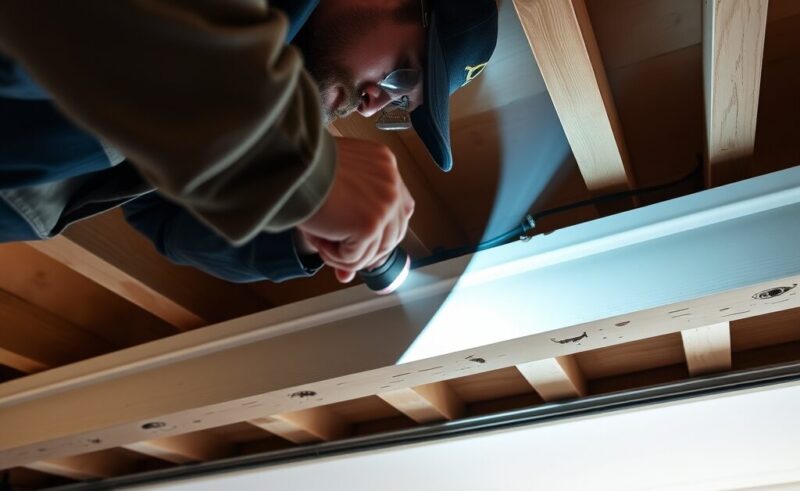
Termite inspection pricing reflects three variables: the scope of access the inspector can physically reach, the documentation standard required by the transaction or lender, and whether the company expects to earn revenue from treatment rather than the inspection itself. A walk-through visual inspection of a 1,500-square-foot single-family home on a slab foundation with an accessible perimeter takes less time and carries lower liability than inspecting a two-story house with a dirt crawlspace, dense landscaping, finished basement, and attic insulation that blocks joist access.
Real-estate transactions add cost because lenders and title companies require a formal Wood-Destroying Insect (WDI) report—sometimes called an NPMA-33 or state equivalent—signed by a licensed inspector and filed with the closing documents. These reports carry professional liability, follow state-specific forms, and must note every observed defect or conducive condition, not just active termites. A pre-purchase inspection for a buyer usually costs more than a routine annual check for an existing homeowner.
Many companies waive the inspection fee entirely if they provide the treatment, because the real revenue comes from a multi-year service contract or a one-time elimination job that can range from $500 to several thousand dollars depending on infestation severity and treatment method. That pricing model works when the company is confident it will close the treatment sale. If you request an inspection with no service commitment, expect to pay the full fee. According to Jeff Wade, a licensed pest-control operator and TermiteHQ contributor, “The inspection itself is a loss leader for most companies—what you’re really paying for is access to someone who knows how to read the evidence and explain what it means for your property, not just whether termites are present today.”
You can safely compare quotes and ask what the inspection includes before committing, but you cannot safely skip the inspection or rely on a visual walk-around if you’re buying a home, refinancing, or observing signs of infestation. The cost of the inspection is a small fraction of the cost of undetected structural damage or a failed real-estate closing.
## What Changes Inspection Cost
Inspection pricing varies by property size, foundation type, access difficulty, and local service density. A 1,200-square-foot slab home with open crawlspace access in a competitive metro market typically costs $75–$125 for a visual inspection. A 3,500-square-foot two-story home with a sealed crawlspace, finished basement, and attic storage may run $150–$300, especially in rural counties where fewer licensed operators work.
Foundation type drives time and labor. Slab foundations limit direct soil contact visibility, so inspectors probe expansion joints, plumbing penetrations, and exterior grade lines. Pier-and-beam or raised foundations with accessible crawlspaces allow closer examination of sill plates, floor joists, and mud tubes, but confined spaces add time. Basements require separate attention to rim joists, window wells, and utility chases. Multi-level homes with attics, attached garages, and exterior decks expand the inspection footprint and increase cost proportionally.
Real-estate transaction context changes scope and documentation. Pre-listing inspections ordered by sellers are often streamlined visual assessments. Buyer-requested inspections tied to financing or escrow timelines may include detailed diagrams, species identification, moisture readings, and Wood Destroying Insect (WDI) reports required by lenders or state disclosure law. Some states mandate specific report formats; others leave content to industry standards. Jeff Wade notes that lenders in high-pressure termite zones—coastal areas with Formosan subterranean termites, for example—often require more thorough documentation than inland markets where drywood activity is rare.
Service bundling affects price transparency. Some operators offer free inspections when treatment is booked, recovering cost through the contract. Others charge a standalone fee that applies as a credit toward treatment if the customer proceeds within 30 or 60 days. Warranty renewals or annual monitoring programs may include periodic inspections at no additional charge, while one-time inspections for homeowners outside a service contract are billed separately.
Local termite pressure and seasonal demand also shift pricing. Markets with year-round swarming activity and high infestation rates support more full-time inspectors, which moderates cost through competition. Rural or low-density areas may add travel fees or minimum service charges. Spring swarming season in the Southeast and Southwest can tighten scheduling and raise prices temporarily, while winter months in northern states may offer lower rates as call volume drops.
Use the Treatment Cost Estimator to compare inspection and treatment pricing scenarios by property type and region, and review TermiteHQ’s source methodology for how cost data is collected and verified.
What Changes the Price and What Is Usually Included
Inspection cost depends on property size, access difficulty, local service density, and whether the visit is standalone or bundled with treatment. A 1,200-square-foot slab home with open crawlspace access in a competitive market may cost $75 to $125. A 3,500-square-foot two-story with a sealed crawlspace, detached garage, and limited attic access in a rural service area may run $200 to $350. Multi-unit buildings and commercial properties are usually quoted per unit or by square footage, often starting around $150 for the first unit and adding $50 to $100 per additional unit.
Most residential inspections include visual examination of accessible interior and exterior areas, crawlspaces, attics, and the perimeter foundation. Inspectors look for live termites, mud tubes, frass, damaged wood, moisture conditions, and conducive factors such as wood-to-soil contact or poor drainage. The report documents findings, identifies species when evidence is present, and notes areas that could not be accessed. Some companies include moisture meter readings or infrared scans at no extra charge; others bill separately for thermal imaging or invasive probing when damage is suspected but not visible.
Inspection fees are sometimes waived if you proceed with treatment through the same company. This can lower upfront cost, but it also removes the option to compare treatment bids from multiple providers using an independent report. Jeff Wade notes that waived-inspection pricing works well when the company has a strong local reputation and transparent treatment estimates, but it can complicate comparison shopping if the initial quote is high or the scope is unclear.
Warranties vary widely. Some inspection reports carry no warranty and serve only as a snapshot on the day of the visit. Others include a 30- to 90-day coverage window, meaning the company will retreat at no charge if termites appear during that period. Annual monitoring agreements—common with liquid barrier or bait systems—often include free re-inspections and retreatment for the life of the contract, but renewal fees typically range from $150 to $400 per year depending on property size and treatment type. Ask whether the warranty is transferable to a new owner, whether it covers re-infestation or only retreatment, and what conditions void coverage, such as structural changes or missed renewal payments.
Before accepting a quote, confirm what the inspection includes: interior and exterior, all accessible substructures, written report with photos, species identification if evidence is found, and moisture documentation. Ask whether the price covers follow-up access if the inspector needs to return after you clear stored items or unlock a sealed area. If you are comparing bids, make sure each includes the same scope. Use the Treatment Cost Estimator to understand how inspection findings translate into treatment expense, and review TermiteHQ’s source standards for guidance on verifying company credentials and report quality.
What You Can Do Before Scheduling an Inspection
You cannot diagnose termites remotely or replace a licensed inspection, but you can prepare useful information that helps professionals give you accurate quotes and saves time during the visit. Start by documenting visible clues in areas you can safely access without moving insulation, climbing into tight crawlspaces, or disturbing electrical panels.
Walk the exterior foundation and look for mud tubes on concrete, brick, or siding. Take clear photos with a coin or ruler for scale. Note the location—”northeast corner near AC unit” is more useful than “side of house.” Check window sills, door frames, and garage door jambs for small piles of frass (dry pellets that look like salt or pepper), blistered paint, or hollow-sounding wood when tapped. Inside, photograph any sagging floors, buckling baseboards, or unexplained cracks in drywall. These observations do not confirm termites, but they give inspectors context and may affect whether you need a standard visual inspection or a more detailed assessment.
Gather any records you have: past inspection reports, treatment contracts, builder warranties, or seller disclosures if you bought the home recently. If you know the home was treated before, note the year, company name, and whether it was a liquid barrier, bait system, or fumigation. This history helps inspectors understand what protection may still be active and whether a warranty transfer is possible. If you are preparing for a real-estate transaction, confirm with your agent or attorney whether your state or lender requires a specific report format or licensed inspector credential—requirements vary, and using the wrong form can delay closing.
Prepare a short list of questions based on your situation:
- What does your standard inspection include, and what costs extra?
- Do you provide a written report with diagrams and species identification?
- If you find activity, will you give a separate treatment estimate, or is it bundled?
- Are there access limitations—locked crawlspaces, attic hatches, or areas you cannot reach?
- Does the inspection fee apply toward treatment if I hire you?
Jeff Wade, a licensed inspector with more than two decades of field experience, notes that homeowners who provide clear photos and access details before the appointment often receive more accurate quotes and faster scheduling, especially during spring peak season when inspectors are booked weeks out. If you are comparing multiple companies, ask each one the same questions and request quotes in writing—verbal estimates are difficult to compare and may not include all fees.
Do not attempt to remove suspected termite tubes, apply store-bought sprays, or drill into wood to confirm damage. These actions can scatter colonies, contaminate treatment zones, or create safety hazards. Your role is to observe, document, and route the work to a licensed professional who can assess risk, identify species, and recommend appropriate next steps. For help estimating treatment costs after an inspection confirms activity, use the Treatment Cost Estimator to compare typical ranges by method and property size.