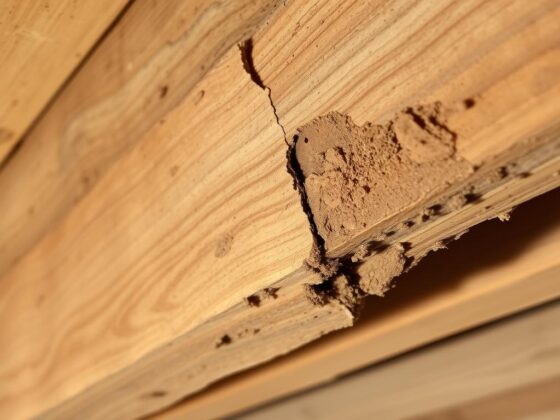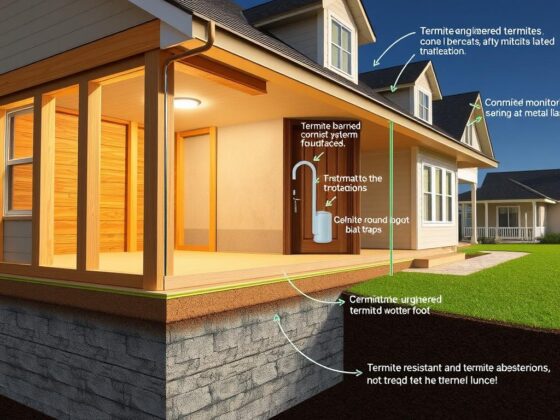
Did you know properties along the Gulf Coast saw pest control rates surge 459% in just five years? This shocking increase highlights why understanding protection plans matters more than ever for property owners.
Annual service fees for comprehensive pest management typically range between $500 and $800. Specialized solutions using underground monitoring stations and advanced bait systems often exceed $1,000 yearly. These systems require regular maintenance and professional expertise, explaining their higher price tags.
Geography plays a surprising role in pricing. Coastal regions with high humidity face steeper charges due to increased infestation risks. Meanwhile, arid areas might see lower baseline costs but still require vigilant monitoring.
Savvy consumers should evaluate both immediate expenses and potential savings. Preventing structural damage saves thousands compared to post-infestation repairs. Contracts vary widely – some cover retreatments at no extra charge, while others add fees for follow-up visits.
Key Takeaways
- Annual pest management fees range from $500-$800 for standard plans
- Advanced termite prevention systems often exceed $1,000 yearly
- Coastal regions face costs up to 4.5x higher than national averages
- Underground monitoring requires specialized equipment and expertise
- Contract details dramatically impact long-term affordability
- Prevention costs pale compared to structural repair expenses
Overview of Terminix Pricing and Services
When evaluating home protection plans, many homeowners discover pest management requires tailored solutions. Established providers offer multi-tiered approaches combining prevention and eradication techniques. These programs address everything from seasonal insect swarms to persistent rodent issues.
Standard annual plans for general insect management typically fall between $500-$800. These baseline packages cover common invaders like ants and spiders through scheduled treatments. More complex challenges demand specialized strategies:
- Wood-destroying organisms: $400-$1,700/year for monitoring stations and bait systems
- Blood-feeding pests: $500-$1,500 for bed bug heat treatments
- Flying nuisances: $150-$300 for mosquito misting systems
Geographical factors significantly influence service expenses. Humid coastal regions often require more frequent interventions than arid zones. Property size and construction materials also affect treatment complexity and duration.
Seasonal maintenance plans prove most cost-effective for ongoing protection. Many providers include free retreatments if pests reappear between scheduled visits. This safeguard helps prevent minor issues from becoming major infestations.
Understanding Terminix Termite Bond Coverage
Navigating pest management contracts reveals critical coverage distinctions many property owners overlook. Protection plans often focus on preventive measures rather than addressing existing destruction, creating potential financial gaps when infestations strike.
Standard agreements typically include annual inspections and retreatments if activity is detected. However, structural repairs from wood-eating pests usually fall outside basic plans. A Houston resident reported their $300/year contract covered repairs, while a Florida homeowner discovered their same-priced plan only included retreatments.
| Coverage Type | Included? | Typical Cost Responsibility |
|---|---|---|
| Annual Inspections | Yes | Fully covered |
| Retreatment Services | Usually | No extra charge |
| Structural Repairs | Rarely | Homeowner pays $2k-$25k |
Three factors determine protection scope:
- Contract wording about damage liability
- State-specific regulations
- Add-on purchase requirements
Most standard property insurance excludes wood-destroying organism damage entirely. This makes comprehensive bonds valuable for long-term protection, but only if repair provisions are explicitly included. Always request written clarification about what scenarios trigger company financial responsibility before signing agreements.
Factors Impacting Terminix Termite Bond Cost
Four primary elements shape protection plan pricing, each requiring careful evaluation. These components determine service complexity and resource allocation, directly affecting your long-term investment.
Problem Severity and Maintenance Needs
Active infestations dramatically alter pricing structures. Severe cases demand multiple treatment phases – initial eradication often requires three times more labor than preventive measures. Technicians may install 30-50 monitoring stations for high-risk properties compared to 10-15 for minor issues.
Service frequency adapts to regional risks. Areas with annual swarming seasons typically need quarterly inspections, while moderate zones might require semi-annual visits. This schedule directly impacts yearly budgeting for homeowners.
Structural Dimensions and Land Requirements
Larger properties face unique challenges. A 2,500-square-foot home generally needs 40% more bait stations than a 1,500-square-foot counterpart. Expansive lots exceeding half an acre often require specialized equipment for soil treatment, adding 15-20% to baseline costs.
Multi-level dwellings and complex foundations increase service time. Technicians may spend 6-8 hours treating a sprawling ranch-style home versus 3-4 hours for a compact bungalow. These differences highlight why customized quotes prove essential for accurate pricing.
Service Types and Their Price Ranges
Homeowners face diverse pest challenges requiring tailored solutions. Protection plans vary in complexity and pricing based on the treatment methods and monitoring frequency involved. Understanding these options helps match your property’s needs with appropriate defense strategies.
Standard insect management programs typically cover ants, spiders, and roaches through seasonal sprays. These foundational services often include quarterly visits and emergency call-outs for sudden infestations. More specialized approaches demand advanced tools and technician expertise.
| Service Type | Price Range | Key Features |
|---|---|---|
| General Insect Control | $500-$800/year | 4-6 visits, exterior sprays |
| Wood Pest Prevention | $400-$1,700/year | Bait stations, soil treatments |
| Bed Bug Elimination | $500-$1,500 | Heat treatments, follow-up checks |
| Mosquito Management | $150-$300 | Outdoor misting systems |
Preventive measures for wood-destroying organisms involve installing underground monitoring devices. These systems require annual inspections and bait replacements, contributing to higher long-term expenses. Seasonal flying insect control offers budget-friendly options with limited application frequency.
Rodent management services focus on entry point sealing and trap placement. Costs rise with property size or recurring activity. Always review service agreements to confirm retreatment policies and equipment warranties before committing.
Terminix Termite Bond Cost Comparison
Savvy homeowners discover striking price differences when evaluating protection plans. A Dallas resident saw annual fees climb 20% over six years, while others found local providers offering equivalent coverage for less than half that amount. This pricing gap highlights why exploring alternatives proves essential.
Regional exterminators frequently undercut national chains through streamlined operations. One Texas homeowner secured annual inspections for $85 after switching from a $300 plan. These savings often come without sacrificing service quality – many local firms use identical monitoring technology and treatment methods.
| Provider Type | Average Annual Cost | Response Time |
|---|---|---|
| National Chains | $250-$400 | 48-72 hours |
| Regional Companies | $80-$150 | 24-48 hours |
| Local Exterminators | $75-$125 | Same-day options |
Established brands justify higher fees through certified training programs and guaranteed service availability. However, smaller operators often deliver comparable results through personalized attention. A Florida family reported better communication from their neighborhood provider than previous corporate experiences.
When comparing plans, consider these factors:
- Inclusion of damage repair guarantees
- Frequency of preventive treatments
- Geographic service area limitations
Market competition now offers more value-driven choices than ever before. While reputation matters, thorough research often reveals hidden gems in local pest management markets.
Property Size and Extent of Infestation Considerations
Understanding how property dimensions influence protection expenses helps homeowners budget effectively. Larger homes require more materials and labor – a 3,000-square-foot residence needs 60% more treatment time than a 1,000-square-foot dwelling. Foundation perimeter measurements often determine chemical application quantities, with each linear foot adding to material costs.
Multi-level structures present unique challenges. Technicians need specialized equipment to inspect attics and crawl spaces thoroughly. Two-story homes typically require 25% longer inspection periods than single-floor layouts.
Land area significantly impacts prevention strategies. Properties spanning one acre may need 40-50 monitoring stations compared to 15-20 for quarter-acre lots. These devices require quarterly maintenance, creating recurring service fees that scale with property size.
Active infestations compound expenses through additional treatments. Severe cases often demand three separate service visits for complete eradication. Structures with prior damage from wood-destroying organisms need 30% more frequent inspections to prevent recurrence.
Geographic risks amplify these factors in humid regions. Coastal areas with high termite activity may require double the monitoring stations of arid zones for equivalent property sizes. This combination of location and structural dimensions creates layered protection needs.
How Hidden Fees and Additional Costs Affect Your Bill
What pushes pest control bills beyond initial estimates? Unseen charges often emerge from service requirements most homeowners don’t anticipate. Oversized properties frequently trigger measurement-based fees, while remote locations may incur travel surcharges.
Service providers typically outline three primary fee categories in contracts. Distance-based charges apply when technicians travel beyond standard service zones. Repeat treatments for stubborn infestations often carry premium pricing tiers.
| Fee Type | Typical Triggers | Cost Range |
|---|---|---|
| Travel Surcharges | Properties >25 miles from branch | $50-$150 per visit |
| Repeat Treatments | 3+ service calls annually | 20-40% increase |
| Structural Modifications | Landscape adjustments needed | $200-$1,000+ |
Emergency call-outs create another financial variable. After-hours requests typically cost 50-75% more than scheduled visits. Some companies waive these fees for clients with premium protection plans.
Transparent providers clearly outline potential add-ons during consultations. Always request written documentation of:
- Service radius limitations
- Re-treatment policies
- Equipment installation requirements
Property modifications prove particularly costly for older homes. Technicians might need to remove decking or landscaping to access foundation areas, creating unplanned expenses. Reviewing contracts line-by-line helps avoid budget surprises.
Options to Lower Your Pest Control Expenses
Smart property protection starts with prevention-focused strategies. Annual service plans often prove more economical than reactive approaches, despite higher initial costs. These agreements typically include regular inspections and priority response times, reducing the likelihood of severe infestations.
Preventative treatment programs create barriers against invaders before they establish colonies. Professional-grade solutions outperform store-bought alternatives, with technicians using targeted application methods that DIY kits can’t replicate. This precision minimizes chemical waste while maximizing effectiveness.
Bundling multiple pest control services under one contract frequently unlocks discounts. Seasonal scheduling during slower months may also yield promotional rates. Though tempting, piecemeal approaches often lead to repeated treatment charges that outweigh upfront investments in comprehensive plans.
Homeowners should weigh short-term savings against long-term protection. While DIY methods appear budget-friendly initially, they rarely address root causes. Partnering with certified experts ensures proper identification of vulnerabilities and tailored defense strategies that evolve with your property’s needs.
FAQ
What does a termite protection plan typically cover?
Most plans include annual inspections, treatment for active infestations, and damage repairs caused by termites. Coverage varies between companies, so review service agreements carefully to understand retreatments, bait station maintenance, and warranty terms.
How much should homeowners budget for annual pest control services?
Average yearly costs range from 0–0, depending on your home’s square footage and regional pest pressures. Larger properties or severe infestations often require more extensive treatments like fumigation, increasing total expenses.
Why do bait station systems cost more than liquid treatments?
Bait stations involve ongoing monitoring and replacement of cellulose baits, which demands frequent technician visits. Liquid barrier treatments use concentrated insecticides applied once but may lack long-term prevention benefits.
Can existing damage raise service prices?
Yes. Structural repairs from wood-destroying organisms often add
FAQ
What does a termite protection plan typically cover?
Most plans include annual inspections, treatment for active infestations, and damage repairs caused by termites. Coverage varies between companies, so review service agreements carefully to understand retreatments, bait station maintenance, and warranty terms.
How much should homeowners budget for annual pest control services?
Average yearly costs range from $300–$800, depending on your home’s square footage and regional pest pressures. Larger properties or severe infestations often require more extensive treatments like fumigation, increasing total expenses.
Why do bait station systems cost more than liquid treatments?
Bait stations involve ongoing monitoring and replacement of cellulose baits, which demands frequent technician visits. Liquid barrier treatments use concentrated insecticides applied once but may lack long-term prevention benefits.
Can existing damage raise service prices?
Yes. Structural repairs from wood-destroying organisms often add $1,000–$3,000 to total costs. Technicians must address safety risks before implementing preventive measures, which extends labor time and material use.
Do pest control companies charge extra for follow-up visits?
Some include 1–2 annual inspections in base pricing, while others bill per visit. Always confirm whether re-treatment fees, emergency call-outs, or warranty renewals involve hidden costs before signing contracts.
How does climate influence termite treatment expenses?
Humid regions like the Southeast face higher risks of subterranean termites, often requiring pricier solutions like soil treatments or moisture control systems. Dry climates may only need localized spot treatments.
Are DIY methods effective for reducing pest control bills?
While sealing cracks and removing wood debris helps, professional-grade insecticides and equipment yield more reliable results. Combining DIY prevention with targeted professional treatments often balances affordability and effectiveness.
,000–,000 to total costs. Technicians must address safety risks before implementing preventive measures, which extends labor time and material use.
Do pest control companies charge extra for follow-up visits?
Some include 1–2 annual inspections in base pricing, while others bill per visit. Always confirm whether re-treatment fees, emergency call-outs, or warranty renewals involve hidden costs before signing contracts.
How does climate influence termite treatment expenses?
Humid regions like the Southeast face higher risks of subterranean termites, often requiring pricier solutions like soil treatments or moisture control systems. Dry climates may only need localized spot treatments.
Are DIY methods effective for reducing pest control bills?
While sealing cracks and removing wood debris helps, professional-grade insecticides and equipment yield more reliable results. Combining DIY prevention with targeted professional treatments often balances affordability and effectiveness.
Related TermiteHQ guide: expert review process.
Related TermiteHQ guide: compare termite treatments.
Related TermiteHQ guide: termite treatment cost estimator.
Related TermiteHQ guide: termite damage repair calculator.
Related TermiteHQ guide: termite inspection guide.