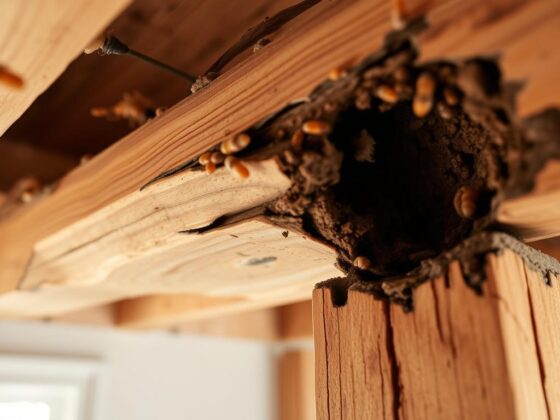
Termite Treatment Tampa :
The Real Problem With Termites in Tampa (And What You Can Do About It)
You’re relaxing at home and notice some weird wood dust near the baseboards. A small hole in a door frame. Maybe even wings on your windowsill.
You Google it. Termites. And if you’re in Tampa, you’re far from alone.
Florida is one of the worst states for termite infestations — and Tampa’s warm, humid climate makes it a paradise for these pests.
But the bigger problem? Most homeowners don’t know they have termites until serious damage is already done.
The good news?
You can beat them — if you know what you’re up against.
This guide walks you through everything Tampa homeowners need to know: how termites operate, which treatments work, and who to trust locally.
We’ll even break down costs, tenting, insurance questions, and real legal issues if you’re trying to sell a termite-infested house.
Let’s make sure termites don’t eat away your peace of mind — or your home’s value.
Why Termites Love Tampa
🌀 Perfect Climate, Perfect Conditions
Tampa sits in a subtropical zone, which means:
-
High humidity
-
Warm winters
-
Long rainy seasons
That’s basically a 5-star resort for termites. They need moisture, wood, and warmth, and Tampa offers all three year-round.
🧱 Building Materials & Soil Types
Most Tampa homes are built on sandy loam or clay soil, both of which hold moisture — the lifeblood of subterranean termites, the most destructive type in Florida.
Homes with:
-
Wood siding
-
Older crawlspaces
-
Mulch or vegetation near the foundation
are particularly attractive to infestations.
🏘️ Neighborhood Patterns
Termites don’t just randomly pick homes.
They spread house to house, especially in older neighborhoods like:
-
Seminole Heights
-
Palmetto Beach
-
North Hyde Park
If one house in your block has an infestation, odds are others will too — unless treated.
🧬 Common Tampa Termite Types
-
Eastern subterranean termites – most common, build mud tubes, eat 24/7
-
Formosan termites – super destructive, swarm in late spring, form large colonies
-
Drywood termites – live in wood, no need for soil, tough to spot
Each requires a slightly different treatment approach — which we’ll get into next.
Signs You Need Termite Treatment Now
🔍 Early Warnings Most Homeowners Miss
By the time you see a termite, the colony could already be years old.
Here are the big red flags:
-
Discarded wings near windows or doors (swarmers)
-
Mud tubes along your foundation or baseboards
-
Soft spots in wood or hollow sounds when tapped
-
Tiny holes in drywall or door frames
-
Bubbling paint that looks like water damage
-
Pellet-like droppings (especially from drywood termites)
💣 Hidden Damage Adds Up Fast
Termites cause over $5 billion in damage every year in the U.S.
In Florida, that number grows because damage often goes undetected for months or even years.
Think:
-
Structural beams hollowed from the inside
-
Flooring that sags or cracks
-
Cabinets or doors that no longer close properly
The scariest part?
Most homeowners insurance in Florida won’t cover termite damage (more on that later).
⏰ When to Call a Pro
-
You see any of the signs above
-
It’s been more than a year since your last inspection
-
Your home is more than 10 years old and has never been treated
-
You’re buying or selling property in Tampa
Annual inspections can run as little as $75–$150 — far cheaper than structural repairs down the line.
Best Termite Treatment Options in Tampa
🎯 What Actually Works?
If you’re dealing with a termite infestation in Tampa, not all treatments are created equal.
Here’s what’s proven to work — backed by pest control pros and homeowners alike:
🪤 Sentricon® Baiting System
-
How it works: Sentricon uses underground bait stations placed around your home.
-
Target: Subterranean termites, especially Formosan species.
-
Why it’s effective: It kills the queen and collapses the entire colony, not just visible termites.
-
Bonus: No drilling, no trenching, no harsh chemicals.
-
Top Provider in Tampa: Terminix
👉 Great for: Environmentally-conscious homeowners and long-term prevention.
🧪 Liquid Treatments (e.g., Termidor® HE)
-
How it works: A liquid chemical barrier is applied to the soil around your foundation.
-
Target: Subterranean termites crossing the treatment zone.
-
Why it’s effective: Termites unknowingly transfer the poison through their colony.
-
Downside: Requires digging trenches or drilling around the home’s perimeter.
-
Top Provider in Tampa: Arrow Environmental Services
👉 Great for: Active infestations where termites are already inside the structure.
🔥 Fumigation (Tenting)
-
How it works: Your entire home is enclosed in a tent and filled with gas that penetrates all wood surfaces.
-
Target: Drywood termites hidden inside wood.
-
Why it’s effective: Reaches all termites — even ones buried deep in beams or flooring.
-
Downside: You must vacate the home for 2–3 days. No residual protection.
-
Top Tampa Pros: Coley Pest Control and McCall Service
👉 Best for: Drywood termite infestations in older or wood-heavy homes.
🧰 Spot Treatments
-
Methods used: Orange oil, foam injections, localized borate sprays
-
Effective for: Small infestations caught early
-
Why it’s a gamble: Only kills termites in the area treated — colony may still be active elsewhere
-
Used by: Smaller pest control providers or for real estate transactions
👉 Only recommended after a professional confirms infestation is small and isolated.
Choosing the Right Treatment for Your Home
🧠 Ask These Questions First:
-
What type of termite do I have?
(Get a pro inspection to confirm) -
How bad is the infestation?
(Some colonies go 20 feet underground) -
Is prevention or extermination my goal?
-
Do I want chemical-free solutions?
-
What’s my budget?
Tampa’s Top-Rated Termite Control Companies (2025)
We reviewed dozens of providers. Here’s who stands out:
| Company | Specialty | Average Cost | Standout Feature |
|---|---|---|---|
| Terminix | Sentricon®, full-home plans | $500–$1200/yr | Lifetime termite protection |
| Arrow Environmental | Termidor®, soil barriers | $400–$900/yr | Long local track record |
| Truly Nolen | Drywood fumigation + bait | $600–$1500 | Combo pest plans available |
| Massey Services | Eco-friendly + termite bonds | $450–$1000/yr | Good financing options |
| Green Solutions | Local, green-certified treatments | Varies | Personalized service |
📝 Pro Tip: Always ask for a warranty — ideally 1–3 years and transferrable to new homeowners.
How Much Does It Cost to Treat Termites in Florida?
💸 Understanding the Real Cost of Termite Treatment in Tampa
Worried about breaking the bank over termites? You’re not alone.
In Florida — especially Tampa — termite treatment costs can vary wildly.
Let’s break down what you’ll actually pay and why prices range so much.
🔍 Factors That Affect Termite Treatment Costs
Here’s what impacts the final price tag:
-
Type of termite
Subterranean treatments often cost less than drywood fumigation. -
Size of your property
Bigger home = more material, labor, and time. -
Level of infestation
If termites are deep inside the structure, costs go up fast. -
Treatment method
Spot treatment: $250+
Bait system: $700–$1500
Tenting/fumigation: $1300–$3000+ -
Warranty and monitoring
Plans that include yearly checks and guarantees cost more — but save you long-term.
📊 Average Termite Treatment Costs in Tampa (2025)
| Treatment Type | Low End | High End | Notes |
|---|---|---|---|
| Bait Systems (Sentricon®) | $700 | $1500 | Great for long-term protection |
| Liquid Barriers (Termidor®) | $400 | $900 | Best for ongoing infestations |
| Full Fumigation (Tenting) | $1300 | $3000 | One-time fix for drywood termites |
| Spot Treatments | $250 | $700 | Only for localized problems |
💬 “We had to tent our home in South Tampa for drywood termites. It cost around $2,100, but it wiped out everything. Worth every penny.” — Lisa M., homeowner
🔧 Is It Worth Paying More for Ongoing Protection?
Short answer: Yes, if you live in Florida.
Tampa’s warm, humid weather makes it prime termite country.
Even if your infestation is gone, the next one may already be on the way.
Here’s what annual protection plans usually include:
-
Yearly inspections
-
Monitoring stations
-
Re-treatment if termites come back
-
Damage repair coverage (in some plans)
🧠 Smart homeowners treat termite protection like insurance.
What Is the Most Effective Treatment for Termites?
🥇 The Gold Standard: Sentricon® + Termidor®
There’s no one-size-fits-all — but these two are the heavy hitters.
✅ Why Sentricon® is a Favorite in Florida
-
Systemic kill: It destroys the entire colony, starting with the queen.
-
Non-invasive: No drilling or trenching.
-
Safe: Less toxic than many chemical options.
-
Long-term defense: Keeps working for years.
🏆 Used by: Terminix, Arrow Environmental, and Massey Services.
✅ Why Termidor® HE is Still #1 for Active Infestations
-
Fast kill: Starts reducing termite activity within hours.
-
Transfer effect: One termite infects the others.
-
Durable: Soil treatments can last over a decade.
🔥 Ideal for: Homes with confirmed subterranean termite damage.
⚠️ Avoid These Common Mistakes
-
Don’t DIY with off-the-shelf sprays — they just scatter the colony.
-
Don’t ignore wood dust or wings — early signs can prevent $$$ damage.
-
Don’t assume your pest control guy is licensed — always check credentials.
How Often Do You Need Termite Treatment in Florida?
🗓️ Termite Treatment Timelines That Actually Work in Tampa
If you’re living in Tampa and wondering how often you should treat for termites, here’s the blunt truth:
At least once every 1 to 2 years.
Why so often? Because Florida doesn’t give termites an offseason.
☀️ Why Florida’s Climate Demands Frequent Treatments
In states with seasonal winters, termites go dormant.
But in Tampa’s subtropical heat and humidity, they thrive year-round.
-
Subterranean termites can swarm multiple times a year.
-
Drywood termites hide deep in beams and furniture.
-
Even if you kill one colony, others may already be tunneling in.
🧠 Treating your home just once and walking away? Risky move.
🧪 How Long Does Each Treatment Type Last?
| Treatment Type | Lifespan | Notes |
|---|---|---|
| Sentricon® Bait System | Ongoing, with monitoring | Needs quarterly or annual checks |
| Liquid Barrier (Termidor®) | 5–10 years | High durability, ideal for soil-treated homes |
| Spot Treatment | 6–18 months | Temporary fix — best used early in infestation |
| Tenting/Fumigation | One-time, no ongoing protection | Excellent reset for drywood, but doesn’t prevent re-entry |
📌 Pro tip: Combine bait + barrier for layered defense.
📅 Real Homeowners’ Maintenance Schedules in Tampa
We had liquid barrier treatment in 2022, but our pest control company checks the stations every 4 months just to be safe.” — Josh R., Carrollwood
“After fumigating for drywood termites, we signed up for a Sentricon plan. No signs of termites for 3 years straight.” — Dalia H., Ybor City
✅ Best Practices for Keeping Your Home Termite-Free Year-Round
-
Schedule annual inspections — most companies offer them free or discounted.
-
Monitor moisture levels — termites love damp crawl spaces.
-
Keep mulch and woodpiles away from the home’s foundation.
-
Invest in a reputable pest control plan (don’t go with the cheapest offer).
🛑 Skipping inspections for just one year could cost you thousands in repairs.
How Much Does It Cost to Tent for Termites in Tampa?
🎪 Breaking Down the Real Cost of Tenting Your Florida Home
When drywood termites dig deep into your walls and roof beams, tenting may be your only option.
It’s the nuclear option — and in Tampa, it’s more common than you think.
But is it worth the price? Let’s break it all down.
💰 Tenting Cost Breakdown in Tampa (2025)
| Home Size | Average Cost Range | Notes |
|---|---|---|
| Under 1,500 sq ft | $1,200 – $2,000 | Small homes, tight footprints |
| 1,500–2,500 sq ft | $2,000 – $2,800 | Most suburban single-family homes |
| 2,500–4,000 sq ft | $2,800 – $4,000+ | Large homes or multistory homes |
| Commercial buildings | $4,000 – $10,000+ | Price varies by structure, height, and layout |
💬 “I paid $2,500 for a two-story home in Brandon. Every inch was treated, and they offered a 3-year re-treatment warranty.” — Carmen W.
📌 What’s Included in the Cost?
Tenting is an all-inclusive job, and here’s what you’re paying for:
-
Gas fumigant (usually Vikane®)
-
Licensed professionals to seal and monitor the tent
-
Airing out the structure post-treatment
-
1–3 year guarantee or free retreatment
-
Temporary relocation assistance (some offer this)
⚠️ Important: Most companies don’t include re-inspection in the base price. Ask upfront.
🛏️ Hidden Costs You Might Not Expect
Tenting is disruptive, and the hidden costs can sneak up:
-
Hotel or Airbnb stay for 2–3 nights
-
Pet boarding
-
Food and plant disposal
-
Re-cleaning surfaces after fumigation
➡️ Add $300–$800+ to your overall budget depending on your living setup.
🚫 Is Tenting Always Necessary?
Not always. Tenting is overkill for:
-
Subterranean termites (use soil or bait treatments)
-
Small, localized drywood infestations (try spot treatments)
👉 If you can see visible droppings, wings, and wall damage, and hear hollowed wood knocking, then tenting is probably your only shot.
✅ Tips to Save on Termite Tenting in Tampa
-
Get at least 3 quotes from licensed pros.
-
Ask about off-season discounts (fall/winter).
-
Look for warranties with free re-treatments.
-
Compare offers from companies like Terminix, Florida Pest Control, and Truly Nolen.
💡 Many homeowners recoup the cost by increasing resale value or avoiding massive structural repair bills later.
Can You Sell a House with Termites in Florida?
🏠 Selling with Termites: Legal, But Risky
Yes, you can sell a house with termites in Florida — but it’s a legal and financial minefield.
The key lies in disclosure. Hiding termite damage? That’s fraud.
And Florida courts don’t take it lightly.
⚖️ Florida Real Estate Disclosure Rules
In Florida, sellers are legally required to disclose:
-
Past or current termite infestations
-
Any known termite damage
-
Prior treatments or warranties
🚫 Not disclosing this could land you in a lawsuit for concealment or misrepresentation.
📉 How Termites Impact Home Value
-
Most buyers will demand a pest inspection.
-
Visible termite issues can knock 10–25% off your asking price.
-
Homes may sit longer on the market if not treated first.
💬 “Our buyer backed out after a WDO (Wood-Destroying Organism) report showed old termite damage. We had to drop the price by $15K and pay for a treatment.” — Raymond S., Tampa Heights
✅ Tips for Selling a Home with Termite History
-
Get a professional inspection and clearance letter.
-
Offer proof of treatment and warranty from a licensed pest control provider.
-
Be upfront — transparency builds buyer trust.
-
Consider repairing visible wood damage before listing.
Does Homeowners Insurance Cover Termites in Florida?
🛡️ Here’s the Harsh Truth About Insurance
No.
Termite damage is considered preventable maintenance — not a sudden, accidental event.
That means most Florida homeowners insurance policies won’t pay a dime for termite destruction.
💬 Why Isn’t It Covered?
Termite issues take months or years to show, so insurers classify them as negligence.
It’s like ignoring a roof leak and expecting coverage when mold appears.
Even policies with “insect damage” clauses usually exclude wood-destroying insects like termites.
🧾 What Can You Do Instead?
-
Purchase a separate termite warranty from a pest control company.
-
Choose services that include retreatments and annual inspections.
-
Save receipts, photos, and reports for potential future claims (in rare exceptions).
-
If you’re buying a home, add termite treatment to your closing negotiation.
🧠 Final Word for Tampa Homeowners
If you live in Tampa, you can’t afford to ignore termite control.
Between the tropical climate, wooden home structures, and frequent infestations, proactive treatment is essential.
Whether you’re buying, selling, or just trying to sleep soundly at night — know that the cost of prevention is always less than the cost of repairs.
📌 Frequently Asked Questions (FAQ)
Q: What’s the average cost for termite treatment in Tampa?
A: Expect to pay between $800 to $2,800, depending on the method used and the size of your property.
Q: Do termites return after treatment?
A: Yes, especially if the home isn’t monitored. That’s why Sentricon and liquid barrier systems are popular for ongoing protection.
Q: Is DIY termite control effective in Florida?
A: Rarely. Florida’s termite species require professional-grade solutions to eliminate infestations.
Q: Can a termite infestation collapse a home?
A: In severe, long-ignored cases — yes. Drywood termites inside support beams can seriously weaken structural integrity over time.
Related TermiteHQ guide: expert review process.
Related TermiteHQ guide: compare termite treatments.
Related TermiteHQ guide: termite treatment cost estimator.
Related TermiteHQ guide: termite damage repair calculator.
Related TermiteHQ guide: termite inspection guide.