




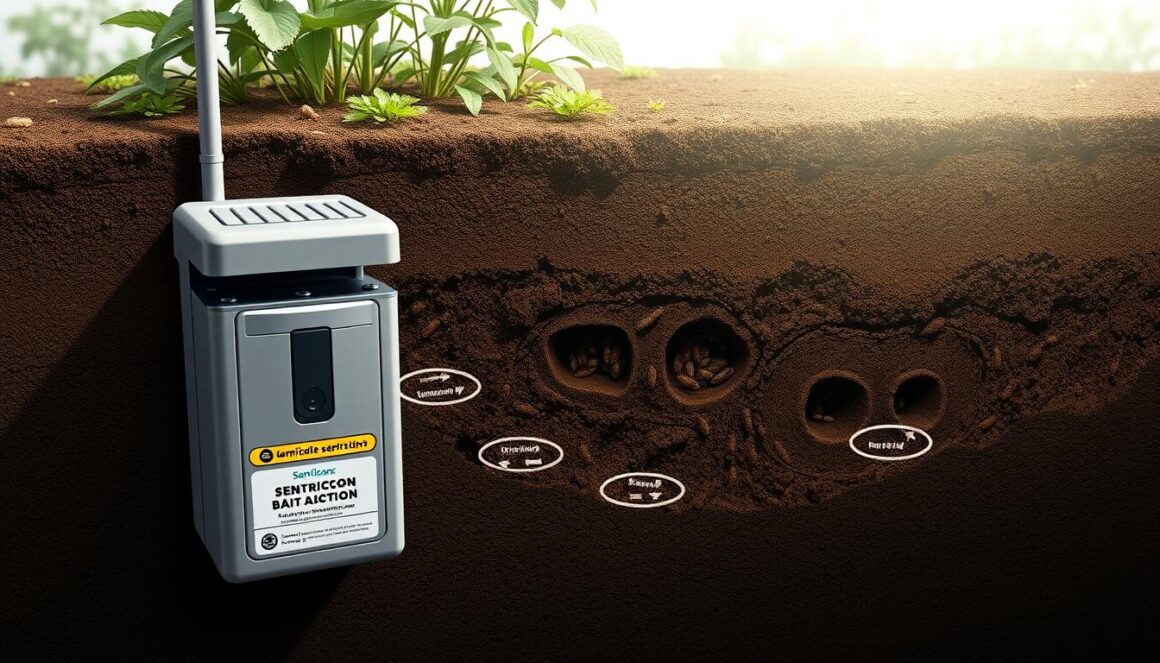
While most homeowners worry about visible pests, silent destroyers chew through wood 24/7 without detection. One innovative solution now used at landmarks like the Statue of Liberty offers a smarter approach to this age-old problem.
The EPA-approved baiting method represents a major shift in pest control. Instead of spraying chemicals, it uses targeted strategies that eliminate entire colonies at their source. This approach stops infestations before structural damage occurs, addressing both active threats and future risks.
Unlike traditional methods requiring repeated treatments, this eco-conscious system works continuously after setup. It specifically targets reproductive termites, ensuring colonies can’t rebuild their populations. The technology has protected historical sites for decades, proving its long-term reliability.
This guide explains how property owners can implement professional-grade defenses through careful planning and proper tool selection. While designed for DIY use, complex cases may require expert consultation – we’ll help you identify when that applies.
Key Takeaways
- Colony-targeted approach prevents recurring infestations
- Environmentally responsible solution with minimal chemical use
- Proven effective in high-stakes preservation projects
- Works continuously after initial setup
- Combines professional results with homeowner accessibility
Introduction to Termite Protection and the Sentricon System
Beneath the surface of American homes, a hidden threat consumes wood structures at alarming rates. These invaders work undetected, often for years, before revealing their destruction. Addressing this risk requires understanding both the problem and modern solutions.
Understanding the “Silent Destroyers”
Termites earn their nickname through stealthy feeding habits. Unlike ants or rodents, they rarely surface visibly while devouring support beams, floor joists, and wall studs. Their digestive systems break down cellulose 24/7, converting structural wood into hollow tunnels.
The financial consequences prove staggering. Annual repair costs exceed $5 billion nationally, with insurance providers typically rejecting claims. By the time homeowners notice sagging floors or hollow-sounding walls, colonies may have already compromised critical load-bearing elements.
Benefits of Proactive Termite Prevention
Early intervention strategies offer three key advantages:
- Cost efficiency: Preventing infestations costs 10x less than repairing advanced damage
- Structural safety: Maintains your home’s foundational integrity for decades
- Peace of mind: Continuous monitoring catches threats before they escalate
Modern pest control methods focus on colony elimination rather than temporary fixes. This approach disrupts reproductive cycles, stopping future generations from rebuilding populations. Combined with regular inspections, it creates a sustainable defense against these relentless invaders.
Why the Sentricon System Stands Out for Pest Control
Modern property protection requires solutions that work smarter, not harder. The leading colony elimination approach combines environmental responsibility with scientific precision, offering advantages traditional methods can’t match.
Environmentally Responsible Protection
This innovative method uses noviflumuron – a compound that specifically interrupts termite growth cycles. Unlike blanket pesticide applications, it leaves beneficial soil organisms unharmed. The formula breaks down naturally without contaminating groundwater, making it safe near vegetable gardens or water sources.
Secure containment units prevent contact with children or pets. These durable stations allow termites to access the treatment while keeping family members protected. Mammals remain unaffected because the active ingredient targets insect biology exclusively.
Professional-Grade Reliability
Pest control experts prefer this solution for critical reasons:
| Feature | Advanced System | Traditional Methods |
|---|---|---|
| Target Specificity | Affects only termites | Impacts various insects |
| Environmental Impact | Biodegradable components | Chemical residues |
| Safety Profile | Child/pet secure | Exposure risks |
Certified technicians report 94% colony elimination rates within three months in field studies. The consistent results explain why major museums and historic sites rely on this technology. Homeowners gain professional-level defense without recurring chemical applications.
This targeted strategy demonstrates how modern pest management balances effectiveness with ecological awareness. By addressing the root cause of infestations, it provides lasting protection while maintaining environmental harmony.
Sentricon Always Active bait station installation guide: Overview and Benefits
Modern pest management solutions leverage insect biology to create self-sustaining defenses. One breakthrough approach uses specialized compounds that disrupt termite life cycles while remaining harmless to other organisms. This method provides round-the-clock security through strategic placement around properties.
Core Benefits of Continuous Protection
The system’s design offers three critical improvements over conventional methods:
- 24/7 threat interception: Eliminates gaps in coverage between inspections
- Cost-effective operation: Reduces recurring service fees through automated function
- Colony-wide impact: Targets all colony members through social feeding patterns
Biological Defense Mechanisms
Hexaflumuron – the active ingredient – blocks chitin production, a vital substance for insect exoskeletons. When termites consume the material during their molting phase, they can’t shed their old shells. This biological disruption spreads through shared food sources, eventually reaching reproductive members.
The process creates a domino effect within colonies. Worker termites distribute the compound during normal feeding activities, ensuring even protected queens receive lethal doses. Complete collapse typically occurs within three months, stopping structural damage at its source.
DIY Installation Process and Essential Considerations
Proper setup forms the foundation of effective termite defense. Homeowners can achieve professional results by focusing on two critical aspects: equipment selection and strategic positioning. This section breaks down the essentials for creating a robust perimeter around your living space.
Tools, Materials, and Preparation
Successful projects begin with the right gear. For below-ground placements, a 100mm auger simplifies soil excavation. Concrete surfaces demand a 90mm core drill to create precise openings. Always contact local utility companies before digging to avoid damaging underground lines.
| Installation Type | Tool Required | Hole Depth |
|---|---|---|
| Soil | Power auger | 12-18 inches |
| Concrete | Diamond-tip drill | Full slab thickness |
Key preparation steps include:
- Mapping irrigation lines and root systems
- Marking high-risk zones near moisture sources
- Clearing debris from installation areas
Guidelines for Proper Placement
Space protective units no more than 3 meters apart around your home’s perimeter. Closer spacing (1-2 meters) works better near wooden structures or previous infestation sites. The system adapts to various landscapes, allowing placement in flower beds or near decaying tree roots.
Consider these factors when positioning units:
- Slope drainage patterns
- Proximity to foundation vents
- Accessibility for future inspections
Units installed in soil should sit flush with the ground surface. Those in concrete require sealing around the edges to prevent water intrusion. Regular checks ensure continued protection as your property evolves.
Step-by-Step Guide to Installing Bait Stations
Creating an invisible shield around your home demands both science and practical know-how. The process begins with perimeter measurements to determine unit quantity and placement density. For most properties, expect to spend 4-6 hours completing the initial setup.
Practical Installation Tips and Tricks
Start by flagging underground utilities using colored markers. Use a power auger for soil penetration in soft earth, switching to diamond-tipped drills for concrete surfaces. Maintain consistent 12-inch depths for optimal termite access.
Stage materials in labeled containers around your work area. This organization cuts setup time by 30% compared to haphazard approaches. When handling equipment, wear cut-resistant gloves and safety goggles to prevent injuries.
Installation Techniques and Safety Measures
Space monitoring points every 10 feet near moisture-prone zones like downspouts. Compact the soil firmly around each unit to prevent shifting while allowing insect movement. Avoid over-tightening caps – they should sit flush without crushing the housing.
For properties with extensive paving, rent industrial-grade coring tools. These reduce drilling time by half compared to standard equipment. Always shut off electrical circuits near excavation areas to prevent accidental strikes.
Remember: Temporary removal during renovations won’t compromise protection. Simply note relocated positions and reinstall within 48 hours of project completion.
Integrating the Sentricon System with Other Termite Management Strategies
Effective pest management thrives on layered protection. Modern approaches combine multiple techniques to address both immediate threats and future risks. This integrated method adapts to different property needs while maintaining environmental balance.
Strategic Treatment Combinations
Liquid barriers create immediate defense zones around foundations, while baiting systems target colonies over time. Some properties benefit from combining these methods, especially when dealing with active infestations near structural wood. Pest professionals may recommend dual approaches for high-risk areas or historic buildings.
Standalone baiting systems work effectively in most scenarios, particularly where chemical treatments raise environmental concerns. These registered solutions eliminate colonies without impacting surrounding ecosystems. Their flexibility makes them ideal for homes near waterways or vegetable gardens.
Sustained Protection Practices
Regular monitoring forms the backbone of successful termite management. Quarterly inspections track activity patterns and bait consumption rates. Document findings to identify emerging hot spots or necessary bait replacements.
Maintenance extends beyond visual checks. Clear debris from monitoring points and assess soil moisture levels near barriers. Properties with reticulation systems require additional valve inspections to ensure proper distribution.
By blending proactive measures with responsive adjustments, homeowners create dynamic defenses against evolving threats. This balanced approach delivers lasting protection while respecting ecological boundaries.
Related TermiteHQ guide: expert review process.
Related TermiteHQ guide: compare termite treatments.
Related TermiteHQ guide: termite treatment cost estimator.
Related TermiteHQ guide: termite damage repair calculator.
Related TermiteHQ guide: termite inspection guide.
Related TermiteHQ guide: source methodology.