


Every year, unseen forces quietly cause over $5 billion in property damage across U.S. households. While fires and floods dominate headlines, one culprit often slips under the radar: wood-destroying insects that compromise structural integrity over time.
Professional pest control services offer targeted solutions for these hidden threats. Companies with specialized expertise use advanced methods to eliminate colonies nesting deep within walls and foundations. Treatment costs vary based on property size and infestation severity, but timely intervention prevents exponentially higher repair bills.
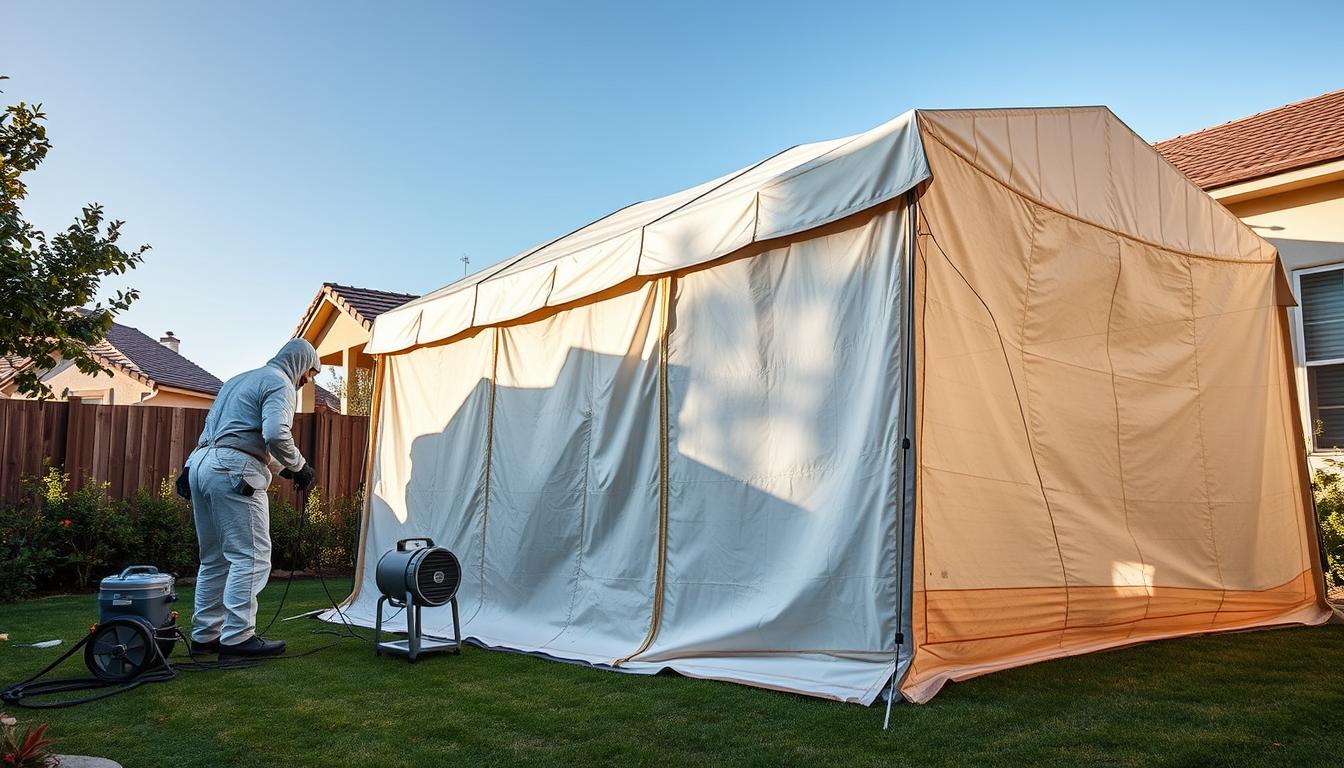
One industry leader revolutionized pest management nearly a century ago with patented treatment techniques. Their tenting process creates a protective barrier by circulating gas through sealed structures, reaching areas traditional sprays can’t access. This approach remains among the most thorough solutions available today.
Understanding pricing factors helps homeowners budget effectively. Geographic location, treatment complexity, and property dimensions all influence final estimates. While initial investments may seem significant, they safeguard your largest financial asset from gradual destruction.
Key Takeaways
- Structural damage from untreated infestations often exceeds $10,000 in repairs
- Professional services provide comprehensive protection through advanced techniques
- Treatment pricing reflects property size, location, and infestation severity
- Specialized tenting methods reach hidden colonies in walls and foundations
- Early intervention prevents escalating damage and higher long-term costs
Overview of Terminix Termite Fumigation Services
Wooden homes face silent destruction from organisms that consume building materials from within. Specialized elimination methods become essential when infestations spread beyond surface-level access points.
Gas-Based Elimination Methods
Advanced pest control techniques involve sealing structures with industrial-grade tarps. Certified technicians release odorless gas that penetrates insulation, drywall, and wood beams. This approach eradicates colonies nesting in attics, crawl spaces, and wall cavities.
The process requires temporary relocation for safety. Most treatments conclude within three days, followed by thorough air quality checks. Modern solutions use chemicals that dissipate completely, leaving no harmful residues.
Identifying Critical Infestation Signs
Homeowners should consider intensive treatment when discovering these red flags:
- Multiple winged insects emerging from walls
- Mud tunnels climbing foundation surfaces
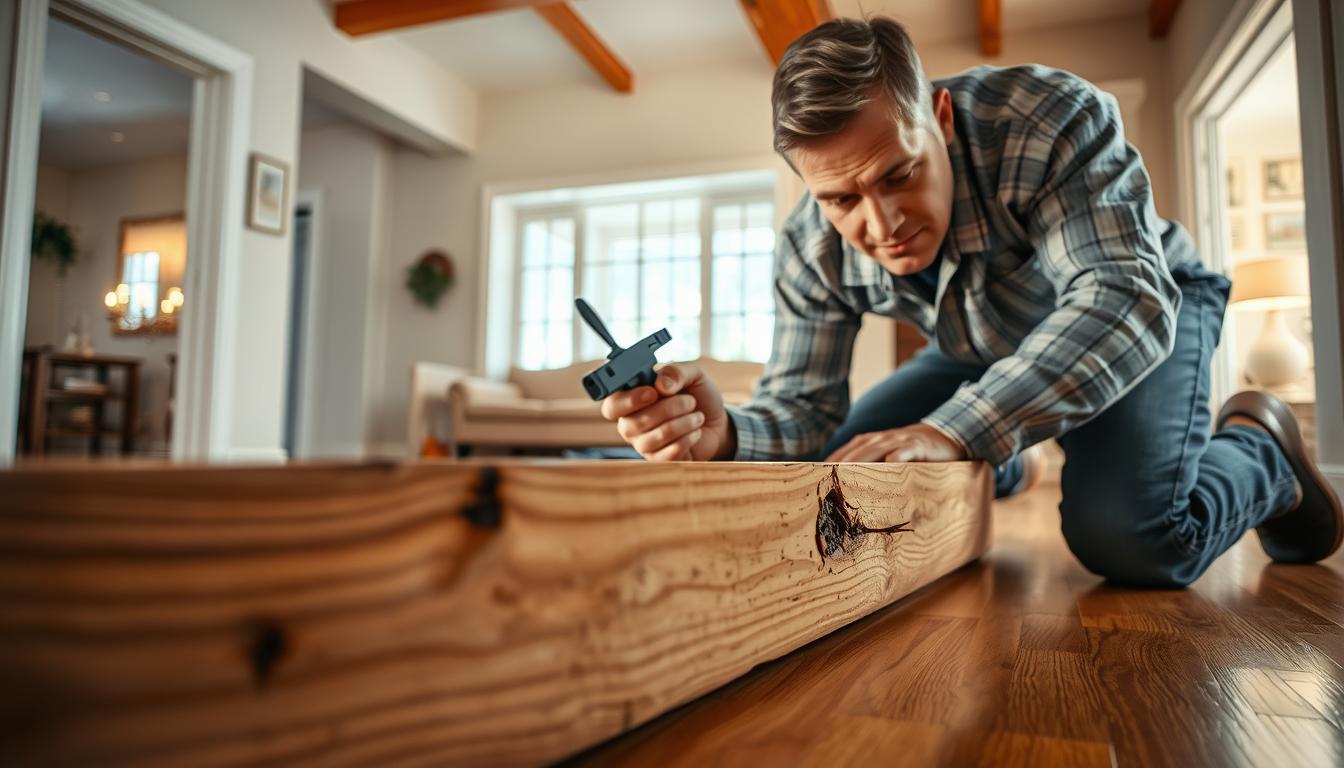
- Crumbling wood structures with hollow cores
Drywood species pose unique challenges by establishing satellite colonies far from initial entry points. Gas circulation proves more effective than localized sprays for these widespread invasions. Professionals determine necessity through thermal imaging and moisture detection tools.
Reputable companies prioritize safety protocols while addressing severe pest problems. Their methods balance ecological responsibility with structural preservation needs, offering lasting defense against material degradation.
Terminix termite fumigation cost
Homeowners often discover structural infestations only after visible damage appears. Professional services address these hidden threats through tailored solutions, with pricing reflecting the scope required for complete eradication.
Key Price Determinants
Four primary elements influence service fees:
- Property dimensions (total cubic feet requiring gas circulation)
- Structural obstacles affecting equipment access
- Colony size and nesting depth within building materials
- Local regulations governing chemical applications
Treatment Method Comparisons
Different approaches suit varying infestation levels:
| Method | Average Cost | Coverage | Effectiveness |
|---|---|---|---|
| Gas Circulation | $2,000-$8,000 | Entire structure | Immediate elimination |
| Thermal Heat | $1,500-$6,000 | Targeted zones | 98% success rate |
| Localized Sprays | $400-$1,500 | 2 sq.ft per application | Partial colony removal |
| Bait Systems | $800-$2,500/year | Perimeter defense | Preventative measure |
Whole-structure methods require higher initial investments but resolve infestations in one cycle. Thermal alternatives achieve similar results without chemicals, while spot applications demand repeated visits. Monitoring systems provide ongoing protection but don’t address active invasions.
Specialists recommend considering long-term savings when choosing services. Comprehensive solutions prevent recurring expenses from gradual structural decay, protecting your home’s value over time.
Factors That Impact Pest Control Pricing
The battle against wood-destroying organisms hinges on multiple financial variables. Structural characteristics and biological complexities combine to create unique pricing scenarios for each property. Understanding these elements helps homeowners make informed decisions about protecting their investments.
Home Size and Treatment Complexity
Square footage directly determines chemical quantities and labor hours. A compact 1,000 sq ft dwelling typically requires $1,000-$4,000 in services, while sprawling 3,000 sq ft homes often need $3,000-$12,000. Structural features further influence expenses:
- Multi-level layouts demand specialized tenting equipment
- Attached garages require extended sealing protocols
- Complex rooflines increase preparation time by 25-40%
Foundation types also play crucial roles. Slab constructions simplify containment compared to basements or crawl spaces with multiple entry points.
Severity of Infestation and Required Materials
Advanced invasions demand intensive interventions. Technicians assess these key indicators:
- Colony distribution patterns within walls
- Depth of wood damage in load-bearing beams
- Presence of multiple satellite nests
Treatment intensity escalates with these factors, requiring extended gas exposure or higher-concentration solutions. Geographic location adds regional price variations through:
| Regional Factor | Cost Impact | Examples |
|---|---|---|
| Labor Rates | ±15% | Coastal vs. rural areas |
| Regulations | +$200-$800 | California safety protocols |
| Climate | ±10% | Humid vs. arid zones |
Proactive monitoring reduces long-term expenses by catching issues early. Specialists recommend annual inspections for high-risk properties to maintain structural integrity.
Cost Comparison: Terminix vs. Other Pest Control Companies
Choosing between pest management providers requires careful evaluation of pricing models and service guarantees. Homeowners benefit from understanding how industry leaders structure their fees and what protections they offer against recurring issues.
Pricing Structures and Service Plans
Major pest control companies use distinct approaches to billing. Some calculate fees based on home measurements, while others offer flat rates for specific treatments. Consider these comparisons between prominent providers:
| Service Feature | Provider A | Provider B |
|---|---|---|
| Initial Inspection | Complimentary | $50-$200 |
| Single Treatment | $100-$500 | $150-$600 |
| Annual Plan | $500-$800 | $500-$1,000 |
| Cancellation Policy | Moderate fee | Full contract balance |
Upfront estimates help avoid unexpected charges. Many national companies provide detailed breakdowns of labor, materials, and follow-up visits before starting work.
Value Analysis and Transparent Pricing
Service guarantees differ significantly across the industry. Some control companies offer free retreatments if pests reappear within 12 months, while others charge additional fees. Transparent providers clearly outline:
- Treatment effectiveness timelines
- Warranty coverage periods
- Exclusions for structural modifications
Regional operators sometimes undercut national company pricing but may lack specialized containment equipment. Always verify technician certifications and insurance coverage when comparing estimates.
Service Options and Treatment Plans
Protecting your home requires strategic choices between immediate solutions and ongoing defense systems. Providers offer tailored approaches to match different infestation stages and homeowner priorities.
Annual Plans vs. One-Time Visits
Single-visit services address active invasions quickly, ideal for sudden pest discoveries. These treatments focus on eliminating current colonies through intensive methods. Annual plans build layered protection with quarterly inspections and preventive barriers.
| Service Type | Price Range | Key Features | Best For |
|---|---|---|---|
| Emergency Visit | $100-$500 | 24-hour response | Active infestations |
| Monthly Monitoring | $40-$70/month | Continuous detection | High-risk areas |
| Quarterly Defense | $125-$200/visit | Seasonal adjustments | Moderate climates |
| Annual Protection | $500-$800/year | Guaranteed retreatments | Long-term security |
Premium pest control packages like PestFree365+ expand coverage to 30+ species. Enhanced versions include advanced monitoring technology and priority scheduling. These plans adapt to regional risks, from humid coastal zones to arid interiors.
Homeowners balancing budgets often choose quarterly treatments. This approach aligns inspections with pest life cycles while maintaining chemical barriers. Flexible providers allow upgrades if new threats emerge near your property.
Regular services create documentation trails for home sales or insurance claims. Many companies now offer digital activity reports through customer portals. This transparency helps track control efforts over time.
Fumigation Cost by Home Square Footage
Your home’s size directly shapes treatment strategies and budgets. Professional services calculate expenses using precise measurements to ensure complete protection. Structural details and regional pest pressures further refine these estimates.
Estimated Costs Per Square Foot
Treatment pricing scales with property dimensions. Here’s how typical investments break down:
| Home Size | Price Range |
|---|---|
| 1,000 sq ft | $1,000-$4,000 |
| 1,500 sq ft | $1,500-$6,000 |
| 2,000 sq ft | $2,000-$8,000 |
| 3,000+ sq ft | $3,000-$14,000 |
Compact properties often face higher rates per square foot. Fixed equipment costs and setup time impact smaller spaces more significantly. Mid-sized homes typically see better value due to balanced resource allocation.
Additional Fees and Potential Hidden Costs
Transparent providers outline all expenses upfront. Watch for these potential add-ons:
- Structural adjustments for equipment access
- Weekend or holiday service premiums
- Expedited treatment scheduling fees
Preparation expenses remain separate from professional services. Budget $500-$1,500 for temporary lodging and food protection during the process. Reputable companies clarify these requirements during initial consultations.
Tips for Saving Money on Termite Fumigation
Smart planning reduces expenses while maintaining structural protection. Proactive approaches often prove more economical than emergency interventions, especially when addressing hidden threats early.
Strategic Planning and Package Options
Many providers offer discounted bundles combining immediate treatments with monitoring systems. Scheduling services during off-peak months can lower pricing by 10-20%, as demand fluctuates seasonally.
Annual prevention plans typically provide better value than single treatments. These programs address emerging issues before they escalate, reducing long-term repair costs. Some companies include complementary rodent control in comprehensive packages.
Neighborhood group initiatives create bulk purchasing power. Coordinated treatments across multiple properties often secure volume discounts. Home preparation minimizes labor fees – clearing access points and securing belongings helps technicians work efficiently.
Regular inspections identify factors affecting vulnerability, like moisture accumulation or wood-to-soil contact. Addressing these early avoids costly full-structure treatments later. Partnering with certified professionals ensures proper chemical application and warranty coverage.