


Termite inspection • Treatment options • Property-risk education
Expert-guided termite education before costly property decisions.
TermiteHQ helps homeowners, buyers, sellers, and property managers understand inspection reports, infestation signs, termite species, treatment methods, and prevention steps before speaking with a local professional.

Termite tools & property intelligence
Use the right termite tool before the next decision
These practical tools support faster homeowner decisions around property risk, treatment comparison, cost expectations, and damage planning.
Termite Risk Score
Estimate property risk using visible conditions, moisture exposure, regional pressure, and structural warning factors before booking an inspection.
Check property riskTermite Infestation Map
Explore termite activity patterns and regional risk context for homeowners, buyers, sellers, and property managers.
View mapTreatment Cost Estimator
Compare likely cost ranges by treatment type, property size, infestation severity, and inspection context.
Estimate costsDamage Repair Cost Calculator
Understand potential repair exposure when termite damage affects trim, flooring, framing, or other wood components.
Calculate repairsTreatment Comparison
Compare liquid barriers, bait systems, fumigation, localized treatments, monitoring, and prevention strategies.
Compare methodsStart with the right question
Choose your termite learning path
Use these routes to move from quick identification to safer, better-informed next steps.
Termite Inspection
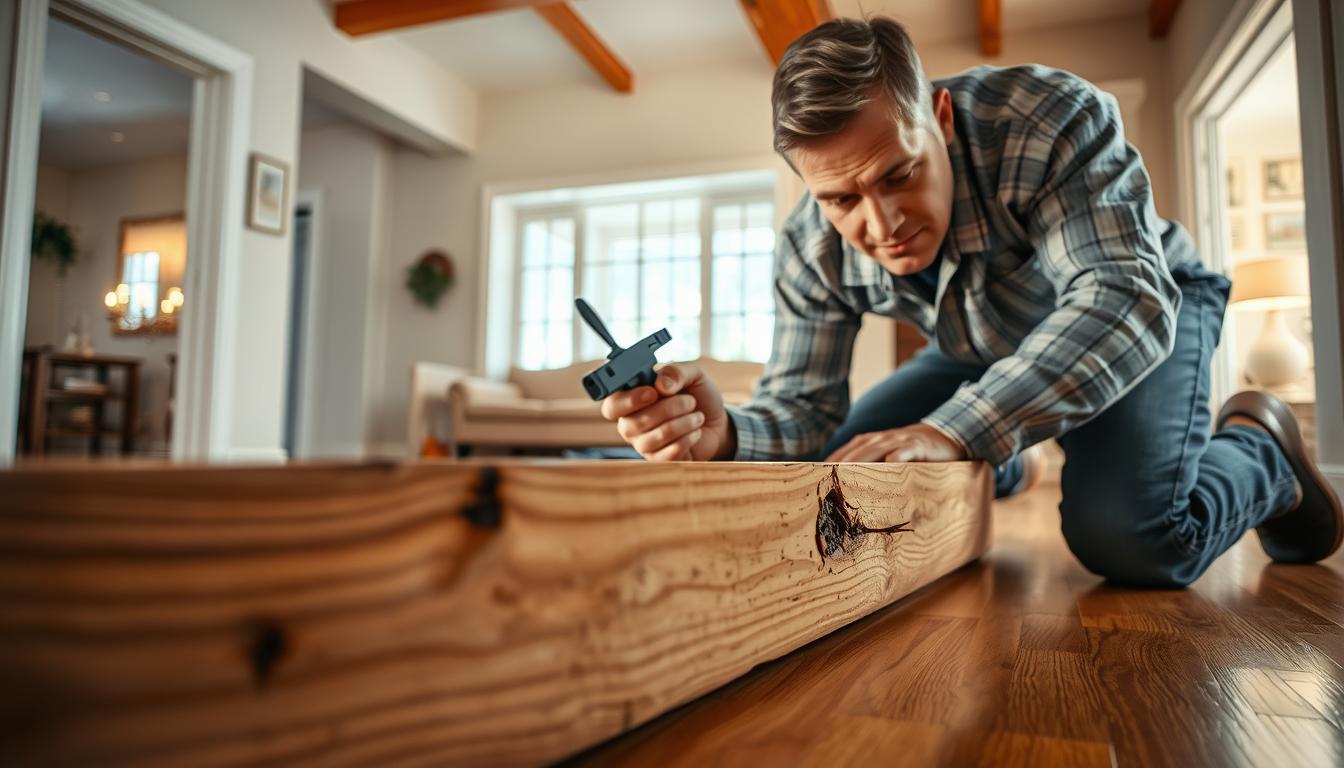
Understand professional inspections, WDO reports, property-risk checks, and what a thorough inspection should include.
Signs of Infestation
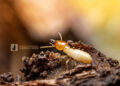
Learn how to spot mud tubes, frass, swarmers, discarded wings, hollow wood, and other warning signs.
Types of Termites
Compare subterranean, drywood, dampwood, and Formosan termites so treatment context makes sense.
Treatment & Prevention
Compare liquid treatments, bait systems, fumigation, borates, moisture control, and prevention planning.
Commercial Solutions
Guidance for property managers, businesses, HOAs, and multi-unit buildings where termite risk affects operations.
Termite News
Follow termite trends, service updates, seasonal risk patterns, and regulatory or industry developments.
Decision safety
When to stop reading and call a professional
If you see active swarmers indoors, mud tubes, damaged structural wood, suspected drywood frass, moisture-damaged framing, or need a real-estate WDO report, use TermiteHQ as preparation — not as a substitute for inspection.
Expert panel
People behind TermiteHQ standards
Expert profiles should show real identity, role, review scope, and external verification where available.

Fernando Filipe
Founder, Chief Editor and Publisher

Travis Gates
Expert Panel Contributor

Rick Feliciano
Expert Panel Contributor

David Gray
Expert Panel Contributor

Robert Trawick
Expert Panel Contributor

Jeff Wade
Expert Panel Contributor
Quick answers
TermiteHQ homepage FAQ
What should I do if I see termite mud tubes?
Take photos, avoid disturbing the area, and schedule a licensed termite inspection so the activity and treatment context can be confirmed.
Can TermiteHQ replace a professional termite inspection?
No. TermiteHQ is educational. Structural risk, treatment, pesticide, fumigation, and legal/reporting decisions require qualified local professionals.
Why does termite species matter?
Different species behave differently. Correct identification affects inspection priorities, treatment options, and prevention recommendations.