




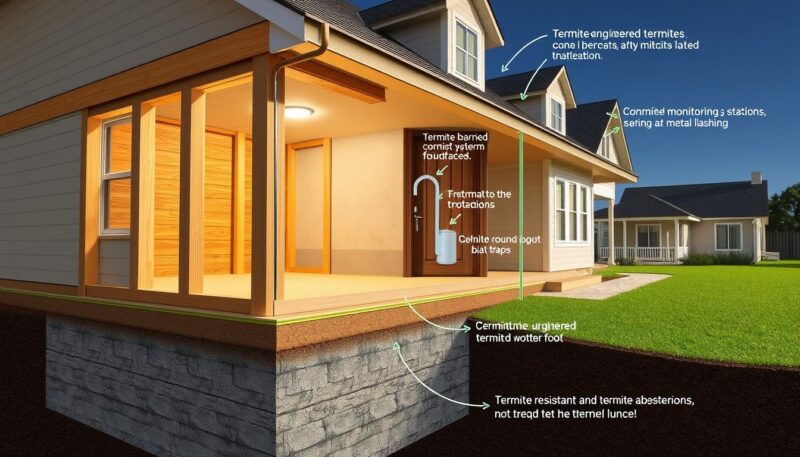
Every year, silent invaders cause over $5 billion in property damage across the United States – more than hurricanes and tornadoes combined. These destructive forces aren’t weather events, but tiny organisms that undermine structural integrity one nibble at a time.
Traditional pest control methods often involve intensive physical barriers around properties. Contractors typically dig trenches and apply chemical treatments designed to last 5-8 years. While effective temporarily, these approaches require significant upfront investment and don’t account for evolving threats.
A newer strategy flips this model entirely. Instead of single applications, homeowners can now access ongoing monitoring systems. These programs combine regular inspections with responsive action plans, creating dynamic defense networks rather than static shields.
The financial implications differ dramatically between approaches. While conventional methods demand lump-sum payments, alternative models spread costs over time. This shift transforms pest management from a periodic expense into a predictable household budget item.
Key Takeaways
- Ongoing monitoring systems offer dynamic protection compared to single-application barriers
- Modern approaches spread costs through subscription models instead of large upfront payments
- Responsive treatment plans activate only when specific threats emerge
- Damage repair coverage represents a significant evolution in service offerings
- Home maintenance strategies now require weighing immediate vs long-term financial impacts
- Property value considerations extend beyond treatment to include transferable service agreements
Overview of Terminix Termite Protection Plans
Modern pest management strategies now focus on continuous prevention rather than reactive treatments. Leading service providers combine advanced monitoring technology with scheduled maintenance to create layered defense systems.
Core Objectives of Maintenance Programs
Annual service agreements prioritize early detection through regular property evaluations. Trained technicians perform detailed inspections every 12 months, identifying risks before they escalate. This proactive approach helps maintain structural integrity while minimizing repair expenses.
Essential Components for Property Owners
Most companies offer tiered service options to match different household needs. Basic packages typically include:
- Quarterly monitoring of critical areas
- Immediate treatment activation when issues surface
- Documented activity reports for insurance purposes
Premium plans expand coverage to address multiple pest species and complex infestations. These comprehensive solutions often feature enhanced treatment methods and priority scheduling for urgent cases.
| Feature | Basic Plan | Enhanced Plan |
|---|---|---|
| Annual Cost | $400-$800 | $900-$1,500 |
| Inspection Frequency | Yearly | Bi-annual |
| Coverage Scope | Standard pests | 25+ species |
| Damage Repair | Limited | Full coverage |
Subscription models allow homeowners to spread payments over multiple months rather than facing large upfront costs. This budgeting flexibility makes professional services accessible to more property owners while ensuring consistent protection.
Exploring the “Terminix termite protection plan cost and guarantee”
Home maintenance budgets require careful evaluation of recurring expenses versus potential risks. Annual fees for professional pest management typically range from $400 to $1,500, with pricing reflecting property dimensions and infestation complexity. Free assessments allow homeowners to review potential threats before committing financially.
Service agreements often distinguish themselves through included damage remediation – a feature many providers exclude. This dual coverage approach addresses both elimination of current issues and prevention of future structural compromises. Transparent documentation clarifies which scenarios activate treatment protocols and repair responsibilities.
Seasonal promotions and bundled packages frequently reduce initial expenditures. Savvy consumers can access limited-time offers that combine monitoring systems with multi-year commitments, enhancing value over time. Payment flexibility options further ease budget constraints through staggered billing cycles.
| Cost Factor | Price Range Impact | Service Adjustments |
|---|---|---|
| Property Size | +20-50% | Extended monitoring zones |
| Infestation Level | +30-70% | Targeted eradication methods |
| Coverage Tier | +40-90% | Damage repair inclusion |
Evaluating long-term value becomes crucial when comparing service tiers. Higher-tier plans often prove cost-effective for properties in high-risk regions through included preventive measures and rapid response guarantees.
Inside the Protection Plan: Coverage, Inspections, and Scheduling
Maintaining structural safety requires understanding service protocols and scheduling nuances. Comprehensive programs combine detection methods with responsive action, though operational practices vary between providers.
What’s Included in Routine Inspections and Treatments
Technicians conduct thorough property evaluations during scheduled visits. They examine:
- Wood surfaces for blistering or hollow sounds
- Foundation areas for mud tubes or sawdust-like debris
- Window/door frames for discarded insect wings
Monitoring systems use strategically placed bait stations to track activity. These devices allow targeted interventions when sensors detect colony movement. Treatment protocols adapt based on findings, ranging from localized liquid applications to full-structure fumigation.
Understanding the Negative Confirmation System
Appointment management follows an opt-out rather than opt-in approach. Service teams:
- Notify homeowners about upcoming visits via phone
- Proceed as scheduled if no cancellation request
- Conduct exterior-only treatments if residents are absent
This method ensures consistent service timelines but has drawn feedback regarding billing practices. Some clients report charges for complete treatments despite receiving partial exterior applications. Clear communication about availability helps maximize service value during each visit.
Cost Factors and Pricing Breakdown for Terminix Services
Property owners face multiple pricing models when addressing wood-destroying organisms. Service frequency and property characteristics create significant cost variations. Let’s examine how different approaches affect both budgets and long-term outcomes.
Single Visits Versus Recurring Service Agreements
Immediate interventions typically range from $100 to $500 per session. These cover:
- Comprehensive property evaluations
- Targeted eradication methods
- 30-day activity warranties
Annual contracts often prove more economical at $500-$800 yearly. They include scheduled inspections and priority response times. For frequent travelers or second homes, these plans minimize surprise expenses.
Key Variables Influencing Expenditure
Square footage directly impacts material and labor requirements. A 3,000 sq.ft. property generally costs 40% more to treat than a 1,500 sq.ft. residence. Foundation design also matters – crawl spaces often demand specialized equipment compared to slab constructions.
| Factor | Cost Impact | Service Adjustment |
|---|---|---|
| Infestation Severity | +30-70% | Multi-phase treatments |
| Geographic Region | +15-35% | Localized prevention methods |
| Add-On Services | +$200-$500 | Barrier installations |
Monthly payment options ($40-$70) help spread expenses while maintaining consistent monitoring. Remember: proactive measures typically cost less than resolving established colonies. Regular evaluations catch issues early, reducing long-term financial impacts.
Service Details: Treatment Methods and Follow-Up Procedures
Modern extermination techniques utilize three primary methods to combat destructive organisms. Each approach addresses different infestation stages and property vulnerabilities. Professionals select strategies based on activity levels and structural risks.
Overview of Methodologies
Liquid treatments create protective barriers around foundations. These solutions penetrate soil to disrupt pest movement. They work best for active colonies near high-risk areas.
Bait stations use cellulose materials laced with slow-acting formulas. Installed around properties, they allow continuous monitoring. This method helps track activity while gradually reducing populations.
Fumigation involves sealing structures and releasing gas to eliminate widespread issues. Reserved for severe cases, it requires temporary relocation. Follow-up inspections verify treatment success.
After initial work, technicians schedule monthly checkups for 90 days. They assess bait stations and retreat problem zones if needed. Documentation helps track progress and adjust strategies.
Most services include warranty periods for retreatments. This ensures your investment protects against recurring damage. Always ask about coverage timelines when selecting a plan.
FAQ
How does the guarantee address recurring infestations after treatment?
If termites reappear during an active service period, professionals will retreat affected areas at no extra cost. The guarantee often includes repair coverage for structural damage caused by termites, subject to plan terms. Clients must maintain scheduled inspections to keep protections valid.
What variables determine pricing for annual versus single-visit services?
Annual plans typically factor in property square footage, regional risk levels, and accessibility to critical areas like crawl spaces. One-time treatments focus on immediate infestation severity and required methods (e.g., fumigation for widespread colonies). Multi-year contracts may lower annual costs compared to pay-per-service models.
Are bait stations or liquid barriers more effective for long-term prevention?
Bait stations monitor activity and eliminate colonies gradually, ideal for ongoing protection. Liquid termiticides create immediate soil barriers but require precise application. Technicians assess soil type, construction materials, and previous damage to recommend a hybrid approach when necessary.
Does homeowners insurance cover termite-related structural repairs?
Most standard policies exclude damage from pests, emphasizing the need for specialized protection plans. Some providers offer add-ons for wood-destroying organisms, but coverage limits apply. Professional inspections documenting pre-existing conditions help avoid claim disputes.
How frequently do technicians inspect properties under maintenance agreements?
Initial contracts often include quarterly or biannual checks, adjusting to annual visits once bait systems stabilize activity. High-risk zones with dense vegetation or moisture issues may require more frequent monitoring. Clients receive detailed reports after each assessment.
Can existing damage from prior infestations void coverage guarantees?
Plans generally exclude pre-treatment damage discovered during initial inspections. Providers document property conditions beforehand and outline repair eligibility for new issues arising post-enrollment. Disclosure of past termite history ensures accurate service scoping.
Related TermiteHQ guide: expert review process.
Related TermiteHQ guide: compare termite treatments.
Related TermiteHQ guide: termite treatment cost estimator.
Related TermiteHQ guide: termite damage repair calculator.
Related TermiteHQ guide: termite inspection guide.