


Every year, silent invaders cause over $5 billion in property damage across the United States—with nearly 600,000 homes affected. What’s surprising? Many homeowners remain unaware of how quickly these pests can compromise structural integrity.
Investing in protective measures isn’t just about immediate results; it’s about long-term security. With average prevention costs ranging from $700 to $2,000, understanding the lifespan of these solutions ensures your investment guards against future threats.
This guide explores how environmental factors, application techniques, and maintenance routines influence the effectiveness of pest control strategies. For instance, methods applied directly to wood can last up to a decade, while soil-based applications may require more frequent attention.
Knowing what to expect helps homeowners plan inspections, budget for updates, and avoid costly surprises. Whether you’re safeguarding a new property or reinforcing an existing structure, clarity on protection timelines is crucial.
Key Takeaways
Contents
- Termite-related damage impacts approximately 600,000 U.S. homes each year, emphasizing the need for reliable prevention.
- The average cost of professional pest control services ranges between $700 and $2,000 nationally.
- Environmental conditions, application methods, and follow-up care significantly influence how long protective measures remain effective.
- Most professionally applied solutions provide 5 years of coverage, with wood-targeted applications lasting up to 10 years.
- Regular inspections and maintenance schedules optimize long-term protection and cost efficiency.
Terminix Termite Liquid Treatment Duration: An Overview
Structural damage from wood-destroying pests often goes unnoticed until repairs become costly. Protective barriers created by professionals act as invisible shields, blocking pests from entering homes. These defenses require precise installation and consistent monitoring to maintain their strength over time.
Understanding the Treatment Process
Specialists dig trenches around a property’s foundation and inject solutions designed to repel or eliminate pests. This method forms a continuous chemical zone that disrupts pest movement. Proper application ensures no weak spots exist where invaders could slip through.
Professionals use tools to measure soil density and moisture levels, adjusting their approach for maximum effectiveness. These steps help create barriers that remain potent for years, even under harsh weather conditions.
Why Treatment Longevity Matters for Homeowners
Long-lasting solutions reduce how often reapplications are needed, saving money and time. A five-year protective window allows families to focus on other priorities without constant worry about property damage.
| Feature | Professional Treatment | DIY Methods |
|---|---|---|
| Application Method | Trenching & Injection | Surface Sprays |
| Expected Duration | 5+ Years | 6-12 Months |
| Coverage | Full Perimeter | Partial Zones |
| Inspection Needs | Annual Checks | Monthly Monitoring |
Regular inspections catch gaps before they turn into entry points. Combining expert services with routine care provides the strongest defense against silent invaders.
Methods and Long-Term Effectiveness of Termite Treatments
Choosing pest control strategies requires balancing immediate results with sustained protection. Four primary approaches dominate modern solutions, each addressing unique challenges in structural defense.
Liquid Barriers vs. Monitoring Systems
Soil-applied liquid barriers create instant defensive perimeters around properties. These solutions typically remain effective for 5 years, blocking pests before they reach wooden structures. In contrast, bait station systems demand yearly maintenance checks and bait replacements.
Monitoring systems work through delayed action. Pests must locate and consume poisoned materials, which workers then carry back to colonies. This process can take months, making them less ideal for urgent infestations.
Wood Protection and Fumigation Insights
Injecting protective solutions directly into lumber offers the longest defense window – up to 10 years. This method seals vulnerable entry points in beams, decks, and framing materials. Surface-level wood treatments last half as long, requiring reapplication every 5 years.
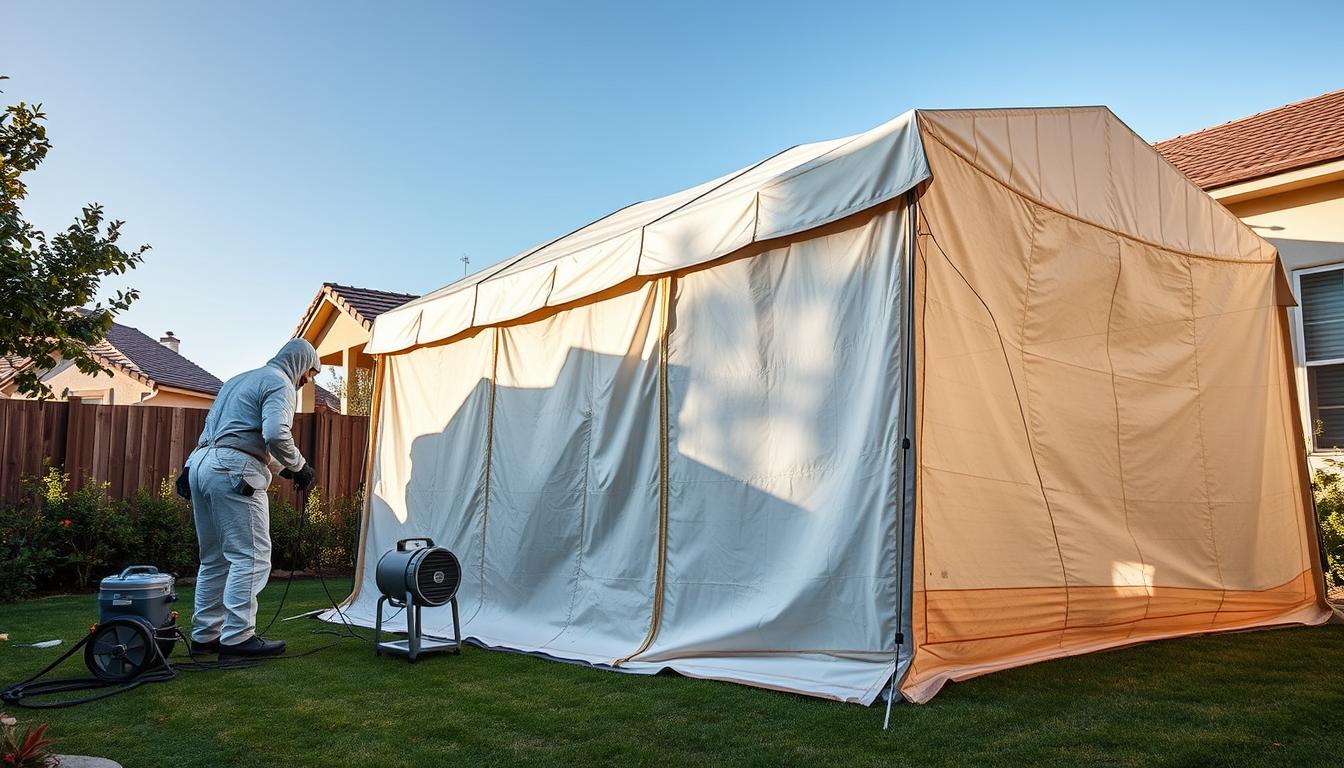
Fumigation eliminates active colonies in days but needs temporary home evacuation. While results last 5+ years, this approach works best for severe drywood pest scenarios rather than prevention.
| Method | Duration | Best For | Maintenance |
|---|---|---|---|
| Liquid Barriers | 5 Years | Perimeter Defense | Biennial Checks |
| Bait Stations | 1 Year | Colony Elimination | Quarterly Servicing |
| Wood Injection | 10 Years | Structural Protection | Decadal Renewal |
| Fumigation | 5+ Years | Severe Infestations | Post-Treatment Inspection |
Soil composition and regional pest types significantly influence outcomes. Coastal regions with dense subterranean colonies often benefit more from liquid barriers, while arid areas with drywood species may prioritize fumigation.
Factors Influencing Terminix Termite Liquid Treatment Duration
Protective measures don’t operate in isolation. Their effectiveness depends on how environmental forces and property features interact with applied defenses. Recognizing these variables helps homeowners anticipate maintenance needs and optimize their investment.
Earth’s Role in Defense Durability
Soil type directly affects chemical retention. Clay-heavy earth holds protective solutions longer than sandy or loose soils, which allow faster drainage. Regions with frequent heavy rain or flooding face greater challenges, as water can wash away barriers.
Moisture levels also play a part. Overly dry conditions cause soil to crack, creating entry points. Professionals test ground composition during applications to adjust formulas for maximum staying power.
Property Layout and Pest Pressure
Larger pest groups demand stronger countermeasures. A mature colony with thousands of workers can breach weakened barriers faster than smaller groups. Multi-layered approaches often become necessary in these scenarios.
Home design influences outcomes too. Structures with crawl spaces, attached decks, or wood-to-ground contact points require meticulous attention during application. Geographic location matters – warm, humid climates see year-round activity, shortening defense lifespans compared to cooler areas.
| Factor | Impact on Duration | Solution Adjustment |
|---|---|---|
| High Rainfall | Reduces barrier lifespan by 30-40% | Denser chemical concentration |
| Sandy Soil | Requires 25% more frequent renewals | Deep trenching techniques |
| Complex Foundations | Increases vulnerability by 50% | Multi-zone application |
Experts combine soil analysis with structural evaluations to create tailored plans. This proactive approach addresses unique risks while extending the active period of protective measures.
Maintenance, Inspections, and Follow-Up Practices
Protecting your home from wood-destroying pests requires more than initial defenses – consistent vigilance ensures lasting results. Regular monitoring helps catch threats early, preventing minor issues from becoming costly structural disasters.
Annual Inspections and Early Detection Tips
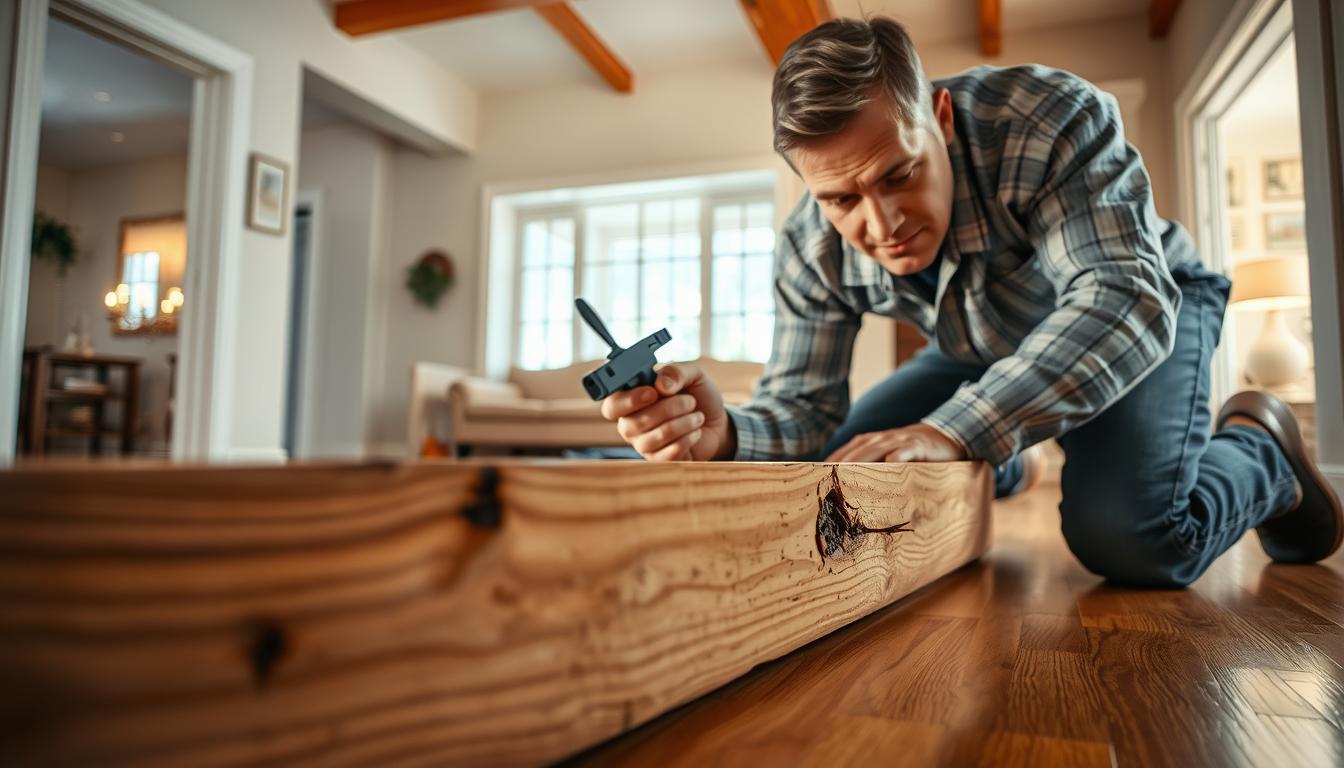
Yearly evaluations by certified experts identify risks invisible to untrained eyes. Specialists use advanced tools to inspect foundations, utility entry points, and moisture-prone zones. These checks often reveal hidden vulnerabilities like soil gaps or wood decay.
Look for these signs between professional visits:
- Mud tubes along walls or crawl spaces
- Blistered paint or hollow-sounding wood
- Discarded insect wings near windows
| Inspection Type | Frequency | Key Benefits |
|---|---|---|
| Professional Evaluation | Annual | Advanced detection tools & warranty compliance |
| Homeowner Check | Quarterly | Immediate issue spotting |
| Post-Storm Review | After severe weather | Identifies barrier damage |
Areas with high humidity or frequent rainfall need more frequent assessments. Certified technicians often spot problems 18-24 months before visible damage occurs. This early intervention can reduce repair costs by up to 65%.
Establishing a relationship with trusted specialists guarantees consistent service quality. Many companies offer maintenance plans with priority scheduling and discounted repairs. These programs transform pest management from reactive fixes to proactive protection.
Choosing the Right Pest Control Professional
Your home’s defense against destructive pests hinges on selecting skilled experts. Qualified specialists combine technical knowledge with practical experience to create customized protection plans that stand the test of time.
Evaluating Expertise and Service Guarantees
Look for certifications like those from state agricultural departments or the National Pest Management Association. These credentials confirm technicians understand pest behavior and advanced application methods. Companies with decades of field experience typically offer stronger warranties – some covering retreatment costs for up to five years if issues resurface.
Service guarantees demonstrate confidence in treatment methods. Many providers include free annual inspections, ensuring defenses remain intact. This proactive approach helps catch vulnerabilities before they escalate into major problems.
Comparing Treatment Options and Costs
Initial quotes often range from $230 to $930, with comprehensive plans averaging $575. Consider these factors when evaluating proposals:
| Factor | Short-Term Value | Long-Term Benefit |
|---|---|---|
| Application Method | Lower upfront cost | Frequent reapplications needed |
| Warranty Coverage | Higher initial investment | Reduced future expenses |
| Inclusion of Inspections | Added service cost | Early problem detection |
Request detailed property assessments before committing. Reputable providers explain how your home’s layout and local pest pressures influence their recommendations. They’ll also clarify maintenance requirements to keep defenses effective for years.
Conclusion
Shielding your property from destructive pests demands strategic planning and expert partnerships. Professionally applied solutions typically create a five-year protective window, though environmental conditions and structural features may shorten this timeframe. Annual inspections become critical in regions with heavy rainfall or high pest activity to maintain barrier integrity.
Homeowners should prioritize companies offering retreatment guarantees, as re-infestation risks persist even after initial applications. These warranties – often spanning multiple years – transform temporary fixes into enduring safeguards. Customized approaches addressing soil composition and building design prove most effective over decades.
Proactive management blends scheduled evaluations with immediate response protocols. Early detection of mud tubes or compromised wood prevents minor issues from escalating into major structural crises. Partnering with certified specialists ensures access to advanced monitoring tools and tailored maintenance plans.
Ultimately, understanding protection timelines empowers smarter investments in your home’s defense. By aligning service schedules with local risks and property needs, you create layered security that adapts to evolving threats while preserving peace of mind.

