





Baltimore’s humid climate and historic housing create the perfect environment for termites to thrive. These silent destroyers can cause thousands of dollars in damage before you even notice their presence. Whether you’re a new homeowner or have lived in Baltimore for decades, understanding the importance of regular termite inspections can save you from costly repairs and structural nightmares.
This comprehensive guide covers everything Baltimore residents need to know about protecting their homes through professional termite inspections, from identifying early warning signs to choosing the right inspection company for your property.
Protect Your Baltimore Home Today
Contents
- 1 Why Termite Inspections Are Critical for Baltimore Homeowners
- 2 Common Signs of Termite Infestation in Maryland’s Climate
- 3 How to Choose a Reputable Termite Inspection Company in Baltimore
- 4 The Step-by-Step Process of Professional Termite Inspections
- 5 Cost Comparison of Termite Inspection Services in Baltimore
- 6 Baltimore Termite Case Studies: Learning from Local Experiences
- 7 Prevention Tips for Baltimore Row Homes and Historic Properties
- 8 Baltimore Termite Regulations and Real Estate Requirements
- 9 Frequently Asked Questions About Termite Inspections in Baltimore
- 9.1 How often should Baltimore homes be inspected for termites?
- 9.2 Does homeowners insurance cover termites in Maryland?
- 9.3 What is the difference between a termite inspection and a Wood Destroying Insect (WDI) report?
- 9.4 Are Baltimore row homes more susceptible to termite infestations?
- 9.5 What termite treatment options are available for historic Baltimore properties?
- 10 Protect Your Baltimore Home with Professional Termite Inspections
Don’t wait until you see damage. Schedule a professional termite inspection before the spring swarming season begins.
Why Termite Inspections Are Critical for Baltimore Homeowners

Baltimore’s combination of humidity, rainfall, and historic housing stock creates the perfect storm for termite infestations. With the city’s average humidity levels exceeding 70% during summer months, termites find our environment particularly hospitable.
Did you know? Termites cause over $5 billion in property damage annually in the United States, with Baltimore homes being particularly vulnerable due to our climate and housing characteristics.
Baltimore’s historic neighborhoods like Fells Point, Federal Hill, and Roland Park feature homes that are especially susceptible to termite damage. Many of these properties have original wooden components that have been in place for decades or even centuries, providing ample food sources for hungry termites.
Baltimore-Specific Termite Risks
- Row homes with shared walls can allow termites to spread between properties
- Older homes often have wooden components in direct contact with soil
- Baltimore’s harbor and waterways increase ambient moisture levels
- Historic preservation requirements may limit treatment options

Regular professional inspections are your first line of defense against these destructive pests. Early detection can mean the difference between a simple treatment and major structural repairs costing thousands of dollars.
Don’t Wait Until It’s Too Late
Most homeowners insurance doesn’t cover termite damage. Protect your investment with a professional inspection.
Common Signs of Termite Infestation in Maryland’s Climate
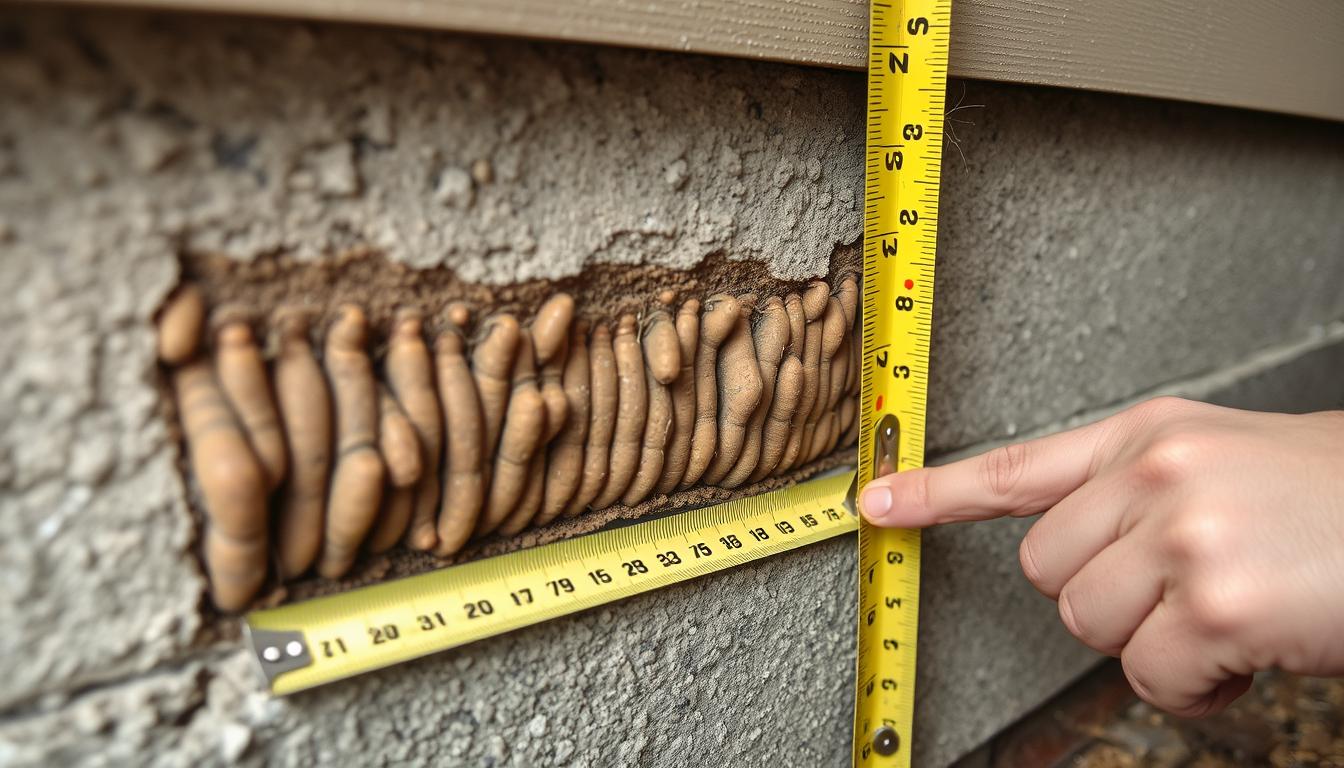
Knowing what to look for can help you catch a termite problem before it becomes severe. In Baltimore’s climate, certain signs are particularly common and should prompt immediate professional inspection.
Visible Damage
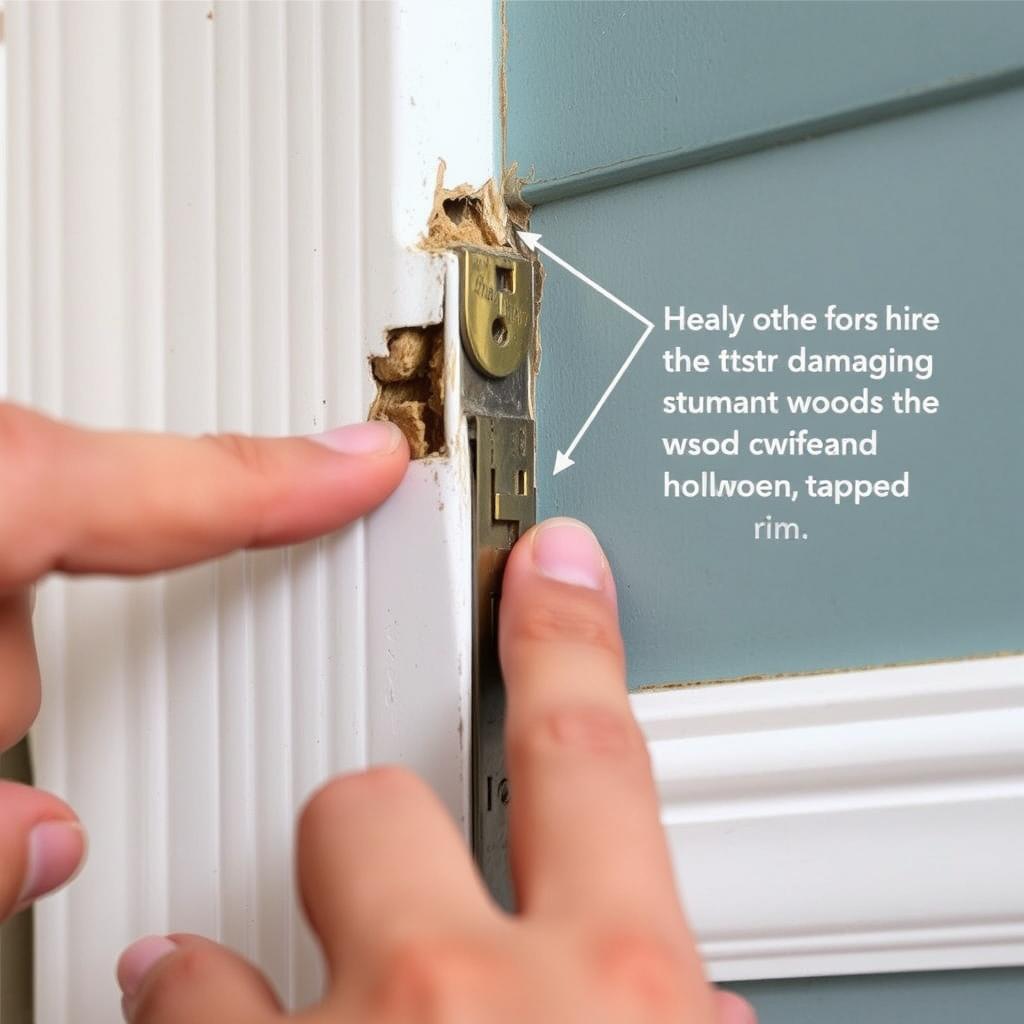
- Wood that sounds hollow when tapped
- Buckling paint or wallpaper
- Sagging floors or ceilings
- Doors or windows that suddenly stick
Visual Evidence
- Mud tubes on exterior walls
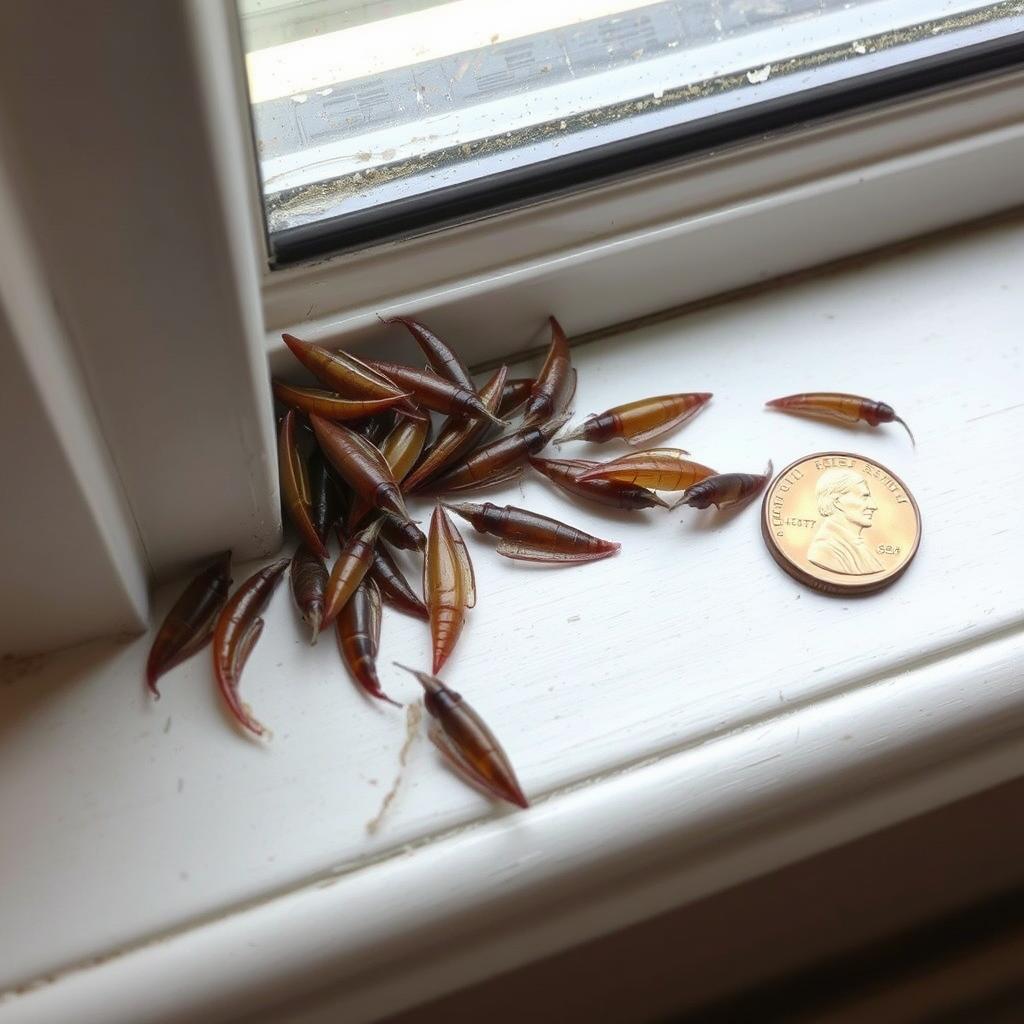
- Discarded wings near windows/doors
- Termite frass (looks like sawdust)
- Visible tunnels in wooden structures
Swarm Indicators
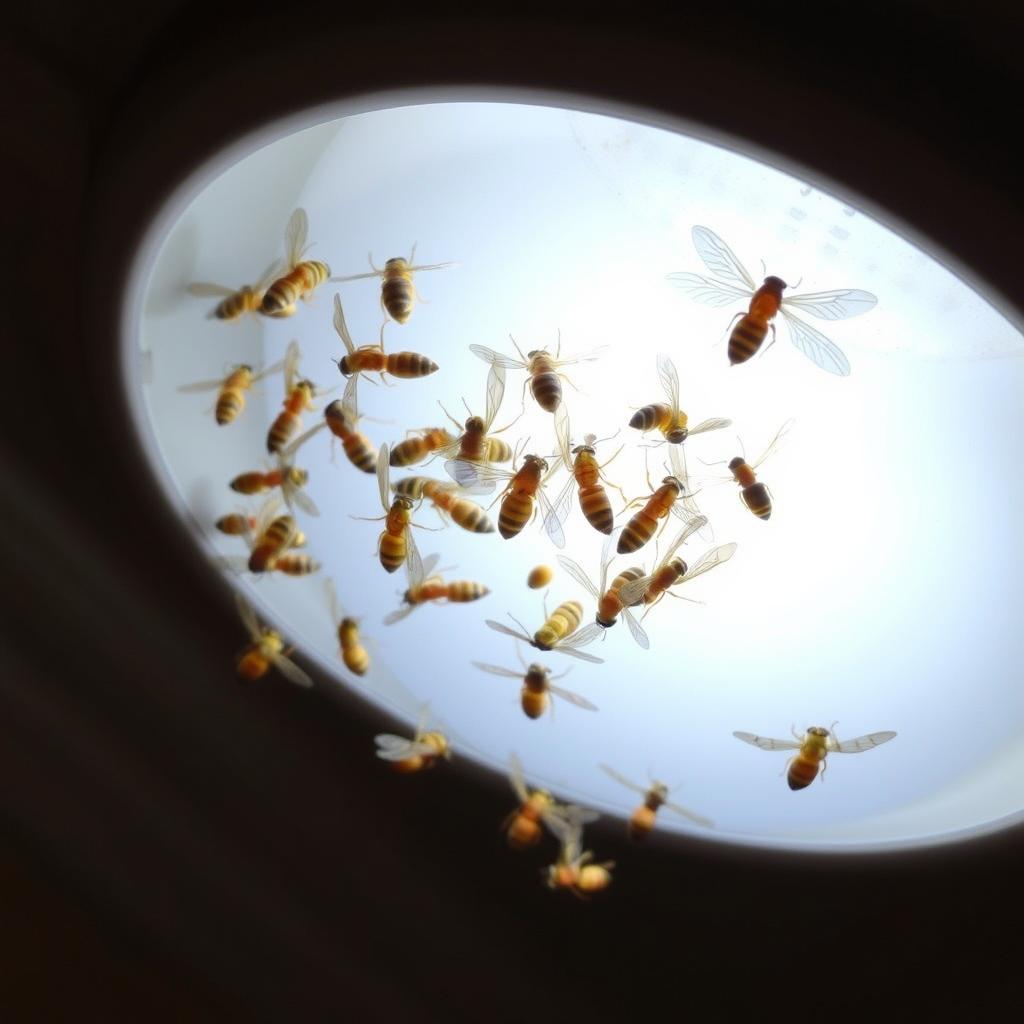
- Flying termites (swarmers) indoors
- Swarms typically appear in spring
- Often emerge after rainfall
- Attracted to light sources
Baltimore Alert: The Eastern subterranean termite is the most common species in our area and typically swarms between March and May. If you see swarmers in your home, it’s a strong indication of an established colony nearby.
While these signs can help you identify a potential problem, many termite infestations remain hidden within walls, foundations, and other inaccessible areas. This is why professional inspections are essential even when no visible signs are present.
How to Choose a Reputable Termite Inspection Company in Baltimore
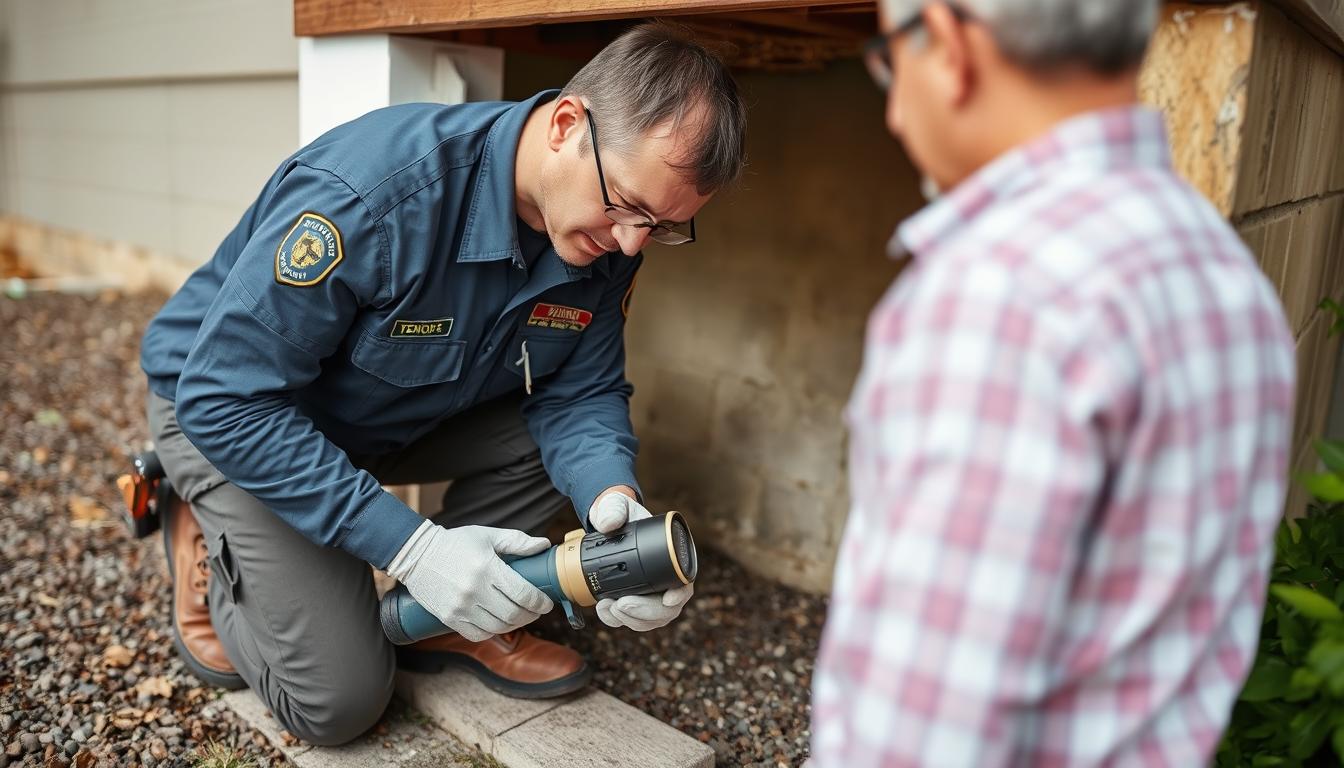
Selecting the right termite inspection company is crucial for accurate results and effective treatment recommendations. In Baltimore, where termite pressure is high and housing structures are often complex, experience and local knowledge matter significantly.
Essential Qualifications to Look For
- Maryland Department of Agriculture license – All pest control companies must be licensed by the state
- Certified technicians – Look for companies with technicians certified in termite management
- Local experience – Companies familiar with Baltimore’s unique housing stock and termite pressures
- Insurance and bonding – Protects you in case of damages during inspection or treatment
- Membership in professional associations – Such as the National Pest Management Association
“When choosing a termite inspector in Baltimore, ask specifically about their experience with historic properties and row homes. These structures present unique challenges that require specialized knowledge.”
Questions to Ask Before Hiring
- How long have you been inspecting homes in Baltimore specifically?
- What does your inspection process include? (Foundation, crawl spaces, attic, etc.)
- Do you use advanced technology like infrared cameras or termite detection devices?
- Will you provide a detailed written report with photographs?
- If termites are found, what treatment options do you recommend?
- Do you offer any warranty or guarantee on your inspections?
- Can you provide references from other Baltimore homeowners?
Pro Tip: Request sample inspection reports from prospective companies. A thorough report should include detailed findings, photographs of problem areas, and specific recommendations.
Find a Qualified Inspector Today
Don’t trust your Baltimore home to just anyone. Work with experienced professionals who understand our local termite challenges.
The Step-by-Step Process of Professional Termite Inspections
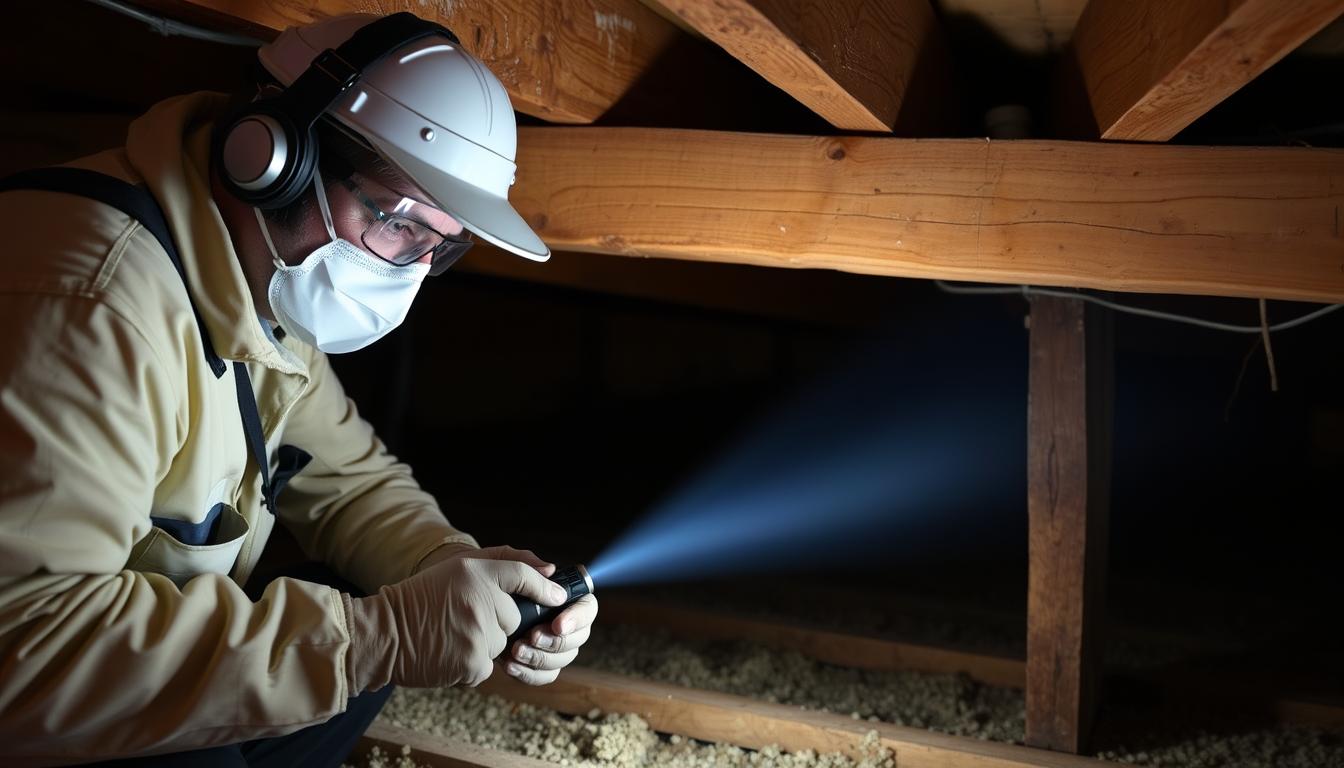
Understanding what happens during a professional termite inspection helps you know what to expect and ensures you’re getting a thorough service. A comprehensive inspection in Baltimore typically follows these key steps:
1. Exterior Inspection
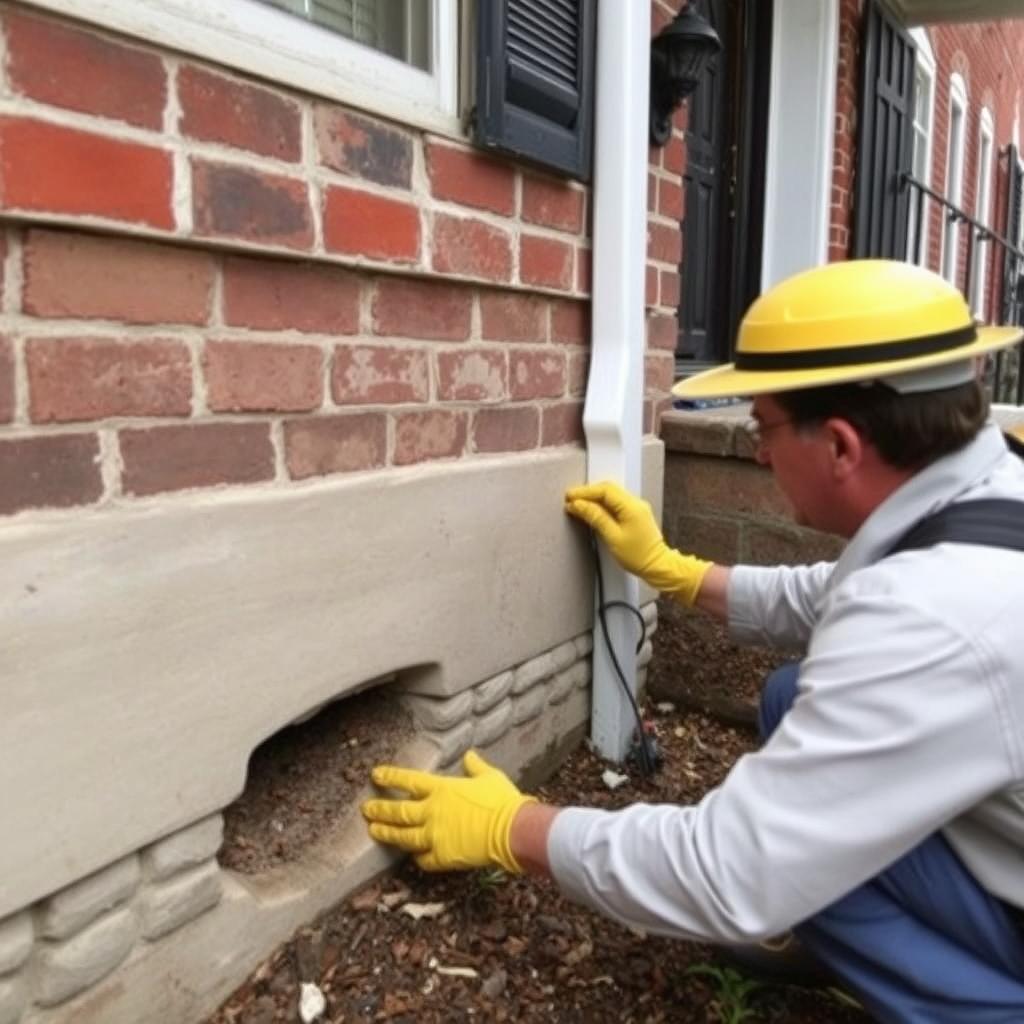
- Foundation examination for mud tubes
- Inspection of wooden elements near soil
- Checking for moisture issues around foundation
- Examination of exterior wood trim and siding
- Inspection of attached decks and porches
2. Interior Inspection
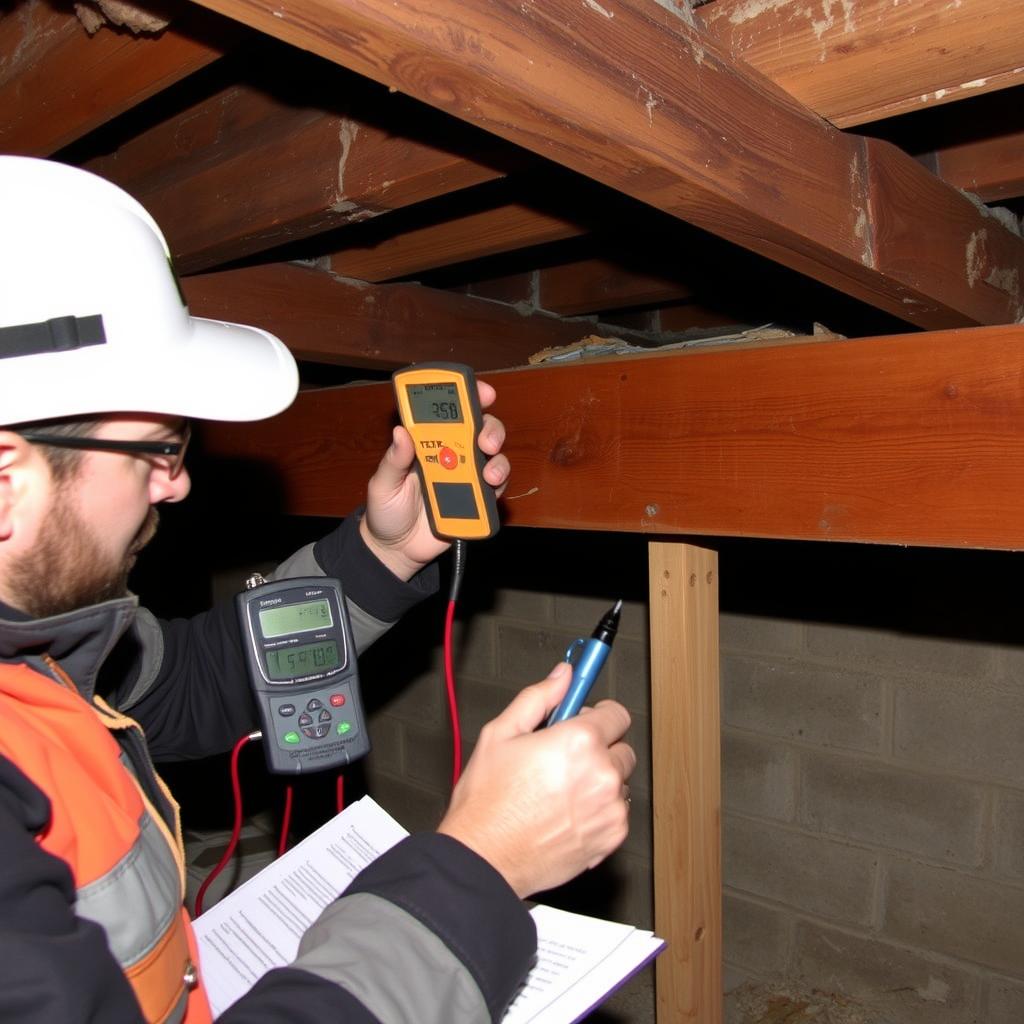
- Basement and crawl space examination
- Checking wooden structural elements
- Probing suspicious wood for damage
- Inspection around plumbing fixtures
- Attic inspection for roof leaks and damage
3. Advanced Detection
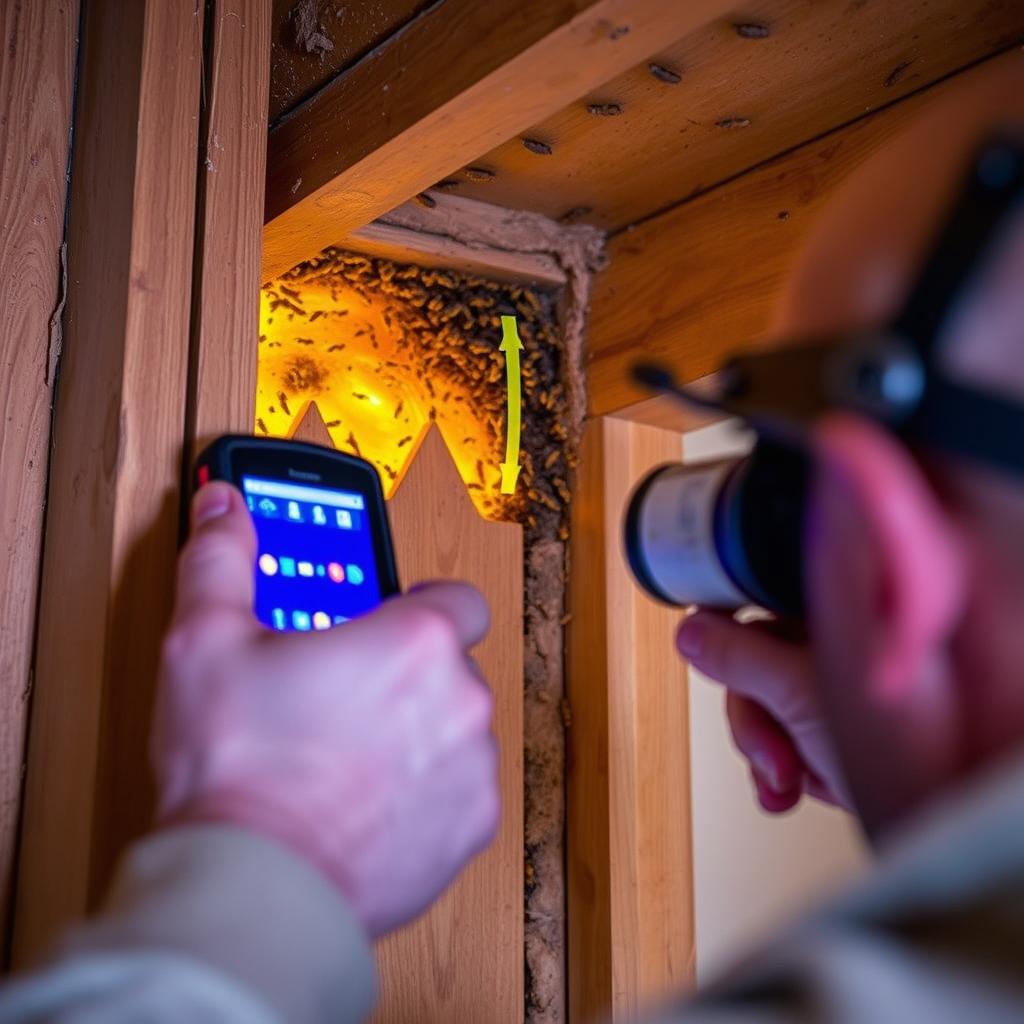
- Moisture meters to identify problem areas
- Infrared cameras to detect hidden activity
- Acoustic detection for active colonies
- Fiber optic scopes for wall voids
- Specialized tools for probing wood
What Happens After the Inspection
Following a thorough inspection, you should receive:
- A detailed written report documenting all findings
- Photographs of any evidence or damage discovered
- Clear recommendations for treatment if termites are found
- Preventative measures to reduce future risk
- Cost estimates for any recommended treatments

For Baltimore’s historic homes, inspectors should pay special attention to original wooden elements, basement window frames, and areas where additions have been joined to the original structure, as these are common entry points for termites in older properties.
Cost Comparison of Termite Inspection Services in Baltimore

Termite inspection costs in Baltimore vary based on several factors, including property size, type of inspection, and whether it’s for a real estate transaction. Understanding the typical price ranges helps you budget appropriately and avoid overpaying.
| Company | Basic Inspection | Real Estate (WDI) Inspection | Advanced Technology | Follow-up Included | Treatment Discount |
| Frontline Pest Control | Free | $100-150 | Yes (Additional) | Yes | $100 off initial service |
| Rosenbloom Pest Control | Free | $125-175 | Yes | Yes | 10% for veterans |
| Pest Czar | $65 (Applied to treatment) | $150-200 | Yes | Yes | Varies seasonally |
| American Pest | Free | $150-225 | Yes (Infrared) | Yes | Seasonal specials |
| Ehrlich Pest Control | Free | $175-250 | Yes | Yes | First-time customer discount |
Value Tip: Many Baltimore companies offer free basic inspections, but these may not be as thorough as paid inspections. For real estate transactions, always opt for a comprehensive WDI (Wood Destroying Insect) report, which typically costs $100-250 depending on property size.
Factors That Affect Inspection Costs
- Property size – Larger homes require more time and thorough inspection
- Property age – Historic homes often need more detailed examination
- Accessibility – Difficult-to-reach crawl spaces or attics may incur additional fees
- Type of inspection – Basic vs. comprehensive real estate inspection
- Technology used – Infrared cameras and moisture meters may add to cost

When comparing costs, always ask what’s included in the inspection. A thorough inspection should cover all accessible areas of your home, including the foundation, basement, crawl spaces, attic, and exterior perimeter.
Get a Free Inspection Quote Today
Most reputable Baltimore companies offer free estimates. Compare options to find the best value for your home.
Baltimore Termite Case Studies: Learning from Local Experiences
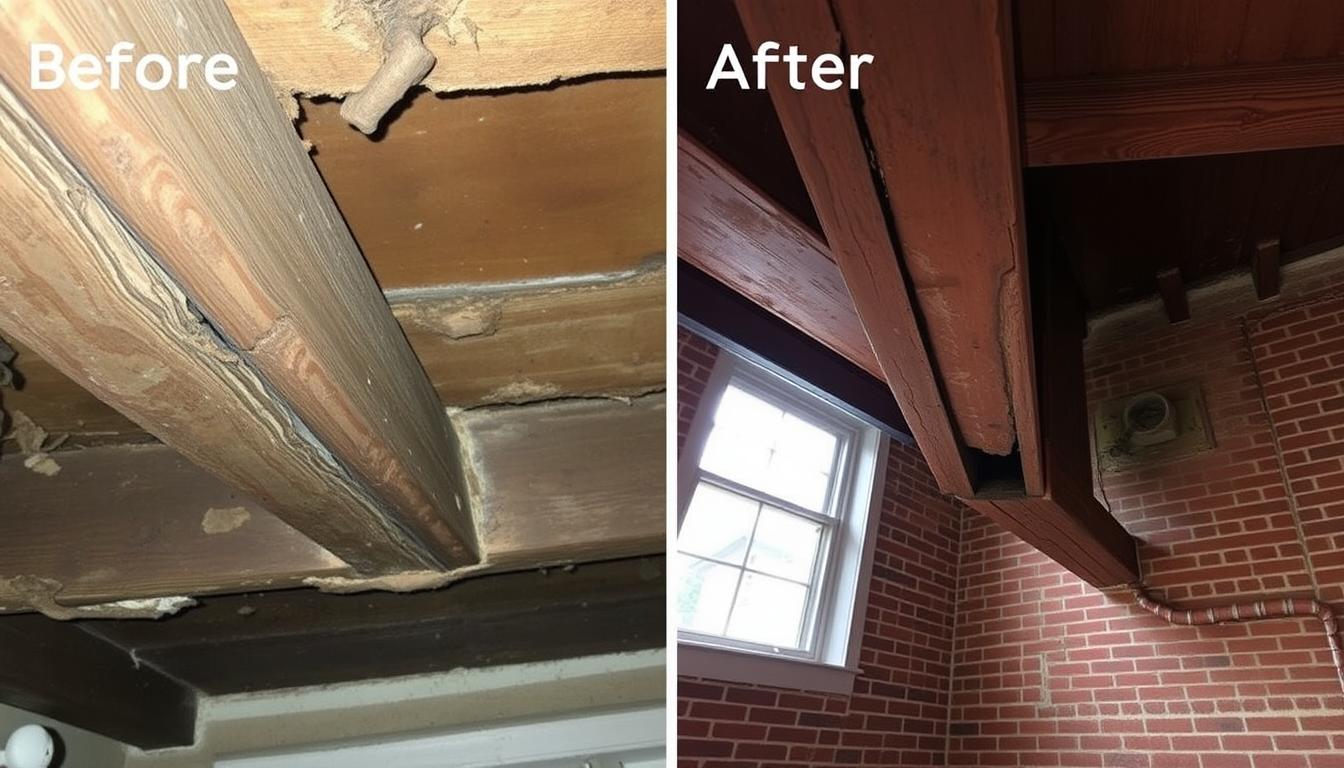
Fells Point Historic Home
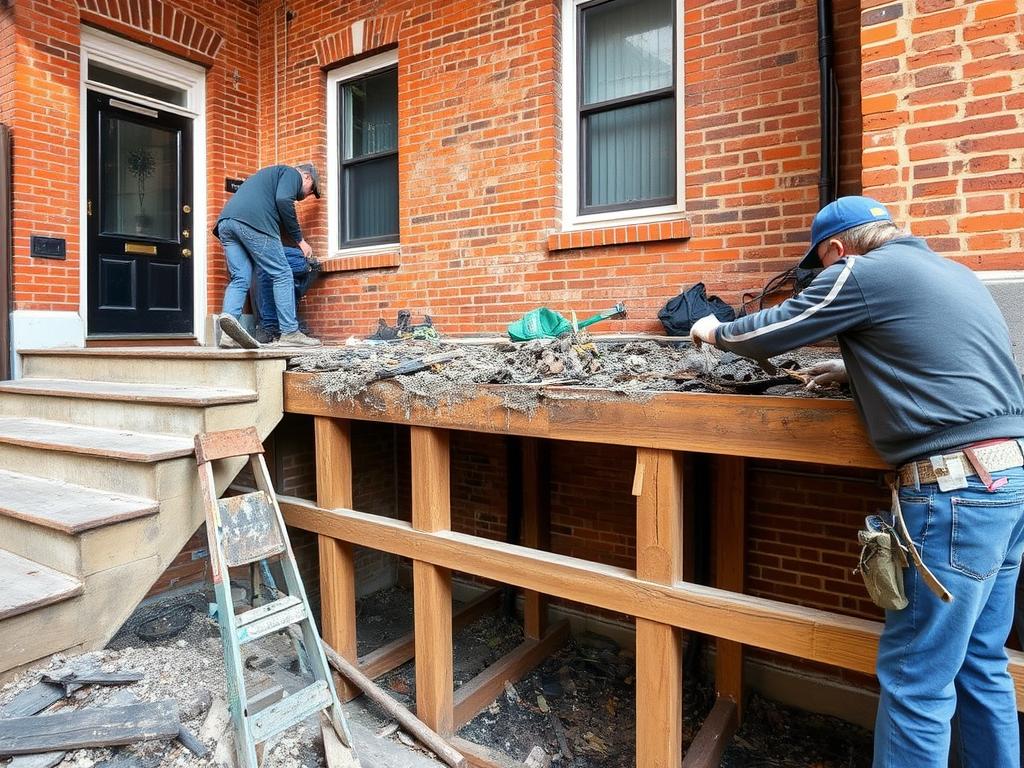
A 150-year-old row home in Fells Point experienced significant termite damage to original floor joists. The homeowners noticed slight sagging in their dining room floor but delayed inspection for over a year.
By the time professionals were called, termites had compromised several structural beams, requiring $27,000 in repairs. The damage was concentrated where an addition had been attached to the original structure, creating a perfect entry point for termites.
Key Lesson: Historic homes require annual inspections, especially where additions join original structures.
Federal Hill Row Home
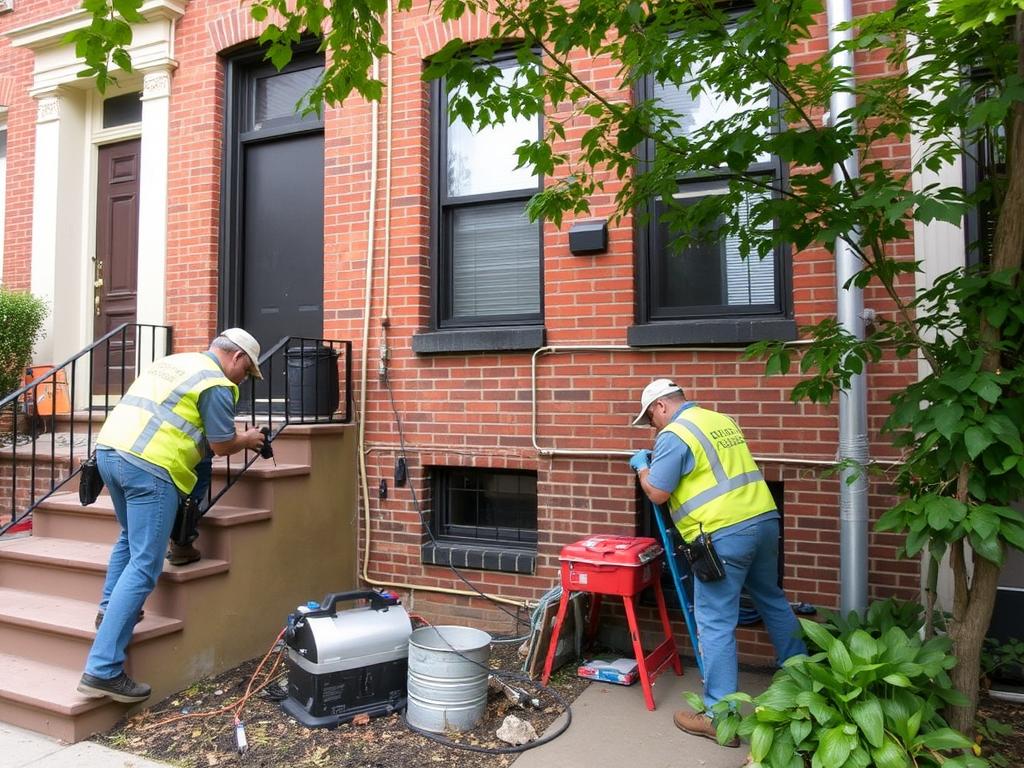
After a neighbor discovered termites, a Federal Hill row home owner proactively scheduled an inspection despite seeing no signs of infestation. The inspection revealed an early-stage colony entering through a shared wall.
Early detection allowed for targeted treatment costing under $2,000, preventing what would have become extensive damage. The homeowner now maintains an annual inspection and prevention program.
Key Lesson: Row homes with shared walls should be inspected when neighboring properties have infestations, even without visible signs.
Roland Park Single-Family Home
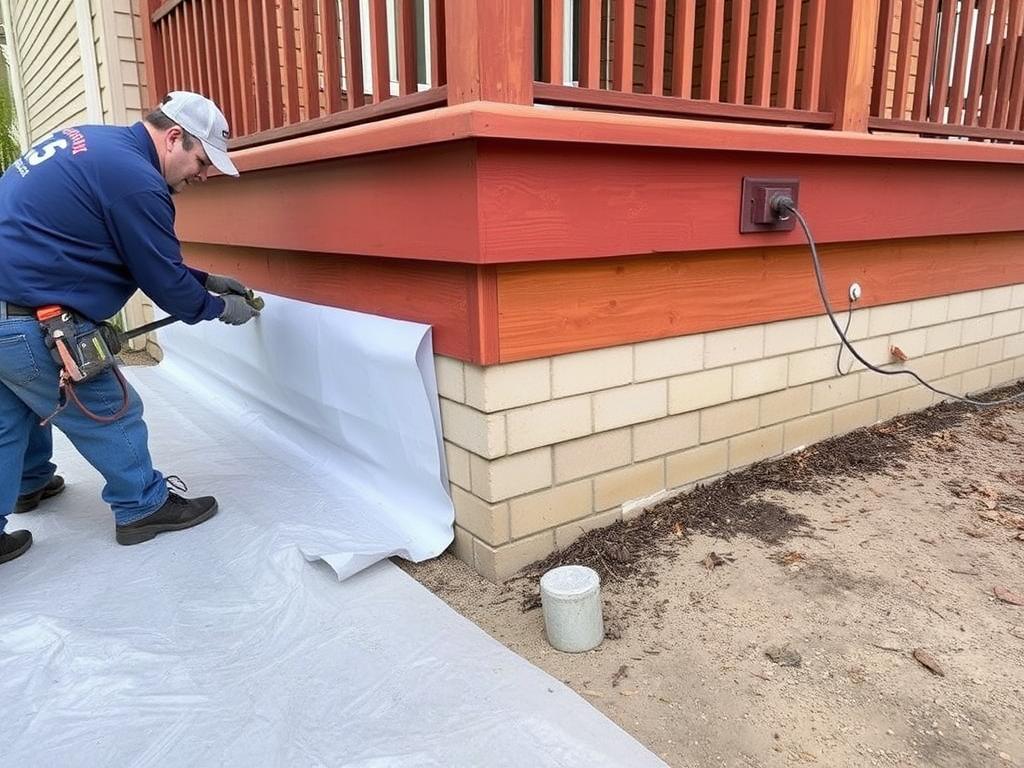
A Roland Park homeowner discovered termite damage during a bathroom renovation. The inspection revealed that moisture from a small, long-term plumbing leak had attracted termites to the area.
The colony had been active for approximately 3-4 years, causing $15,000 in structural damage. The case highlighted how termites are attracted to moisture-damaged wood, even in well-maintained homes.
Key Lesson: Promptly address plumbing leaks and moisture issues, as they create ideal conditions for termite infestations.
“In Baltimore, we see a clear pattern: homeowners who schedule annual inspections typically catch infestations early, spending an average of $1,500-3,000 on treatment. Those who wait until visible damage appears often face repairs exceeding $10,000.”
These local case studies demonstrate that early detection through regular professional inspections is the most cost-effective approach to termite management in Baltimore homes.
Prevention Tips for Baltimore Row Homes and Historic Properties
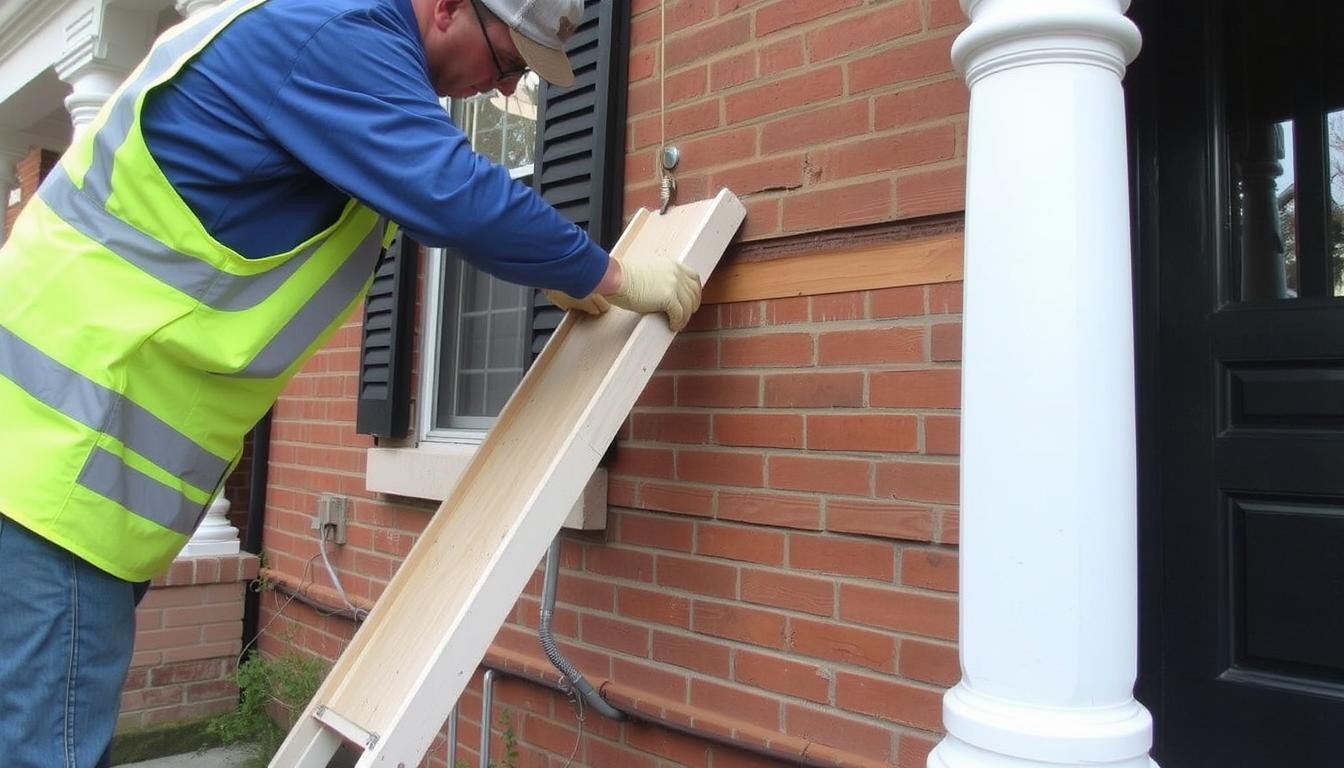
Baltimore’s unique housing stock requires specialized prevention strategies. Row homes and historic properties face distinct challenges that modern suburban homes don’t encounter. Here are essential prevention tips tailored to Baltimore’s architectural landscape:
Row Home Prevention Strategies
- Inspect shared walls regularly, as termites can move between connected properties
- Maintain proper drainage in narrow side alleys between homes
- Keep basement windows well-sealed and in good repair
- Address water infiltration issues promptly, especially in party walls
- Consider coordinated termite prevention with neighboring homeowners
- Install monitoring stations along property perimeters, including shared boundaries
Historic Property Considerations
- Consult with preservation specialists before treatment to protect historic elements
- Use minimally invasive inspection techniques for original woodwork
- Maintain proper ventilation in basements with original stone foundations
- Address moisture issues in crawl spaces under original flooring
- Consider modern termite barriers that don’t compromise historic integrity
- Document all original wooden elements for insurance and preservation purposes
Essential Maintenance Practices for All Baltimore Homes
- Maintain at least 6 inches between soil and wooden structural elements
- Ensure proper drainage away from your foundation
- Fix leaky pipes and faucets promptly
- Keep gutters clean and functioning properly
- Remove dead trees and stumps from your property
- Store firewood at least 20 feet from your home
- Ensure proper ventilation in crawl spaces and attics
- Schedule annual professional inspections

Baltimore Historic District Note: If your home is in a designated historic district, certain exterior treatments may require approval from the Commission for Historical and Architectural Preservation (CHAP). Always check regulations before proceeding with exterior termite prevention measures.
Implementing these prevention strategies can significantly reduce your risk of termite infestation. However, they should complement, not replace, regular professional inspections.
Protect Your Baltimore Home
Our experts can help you develop a customized prevention plan for your specific property type.
Baltimore Termite Regulations and Real Estate Requirements
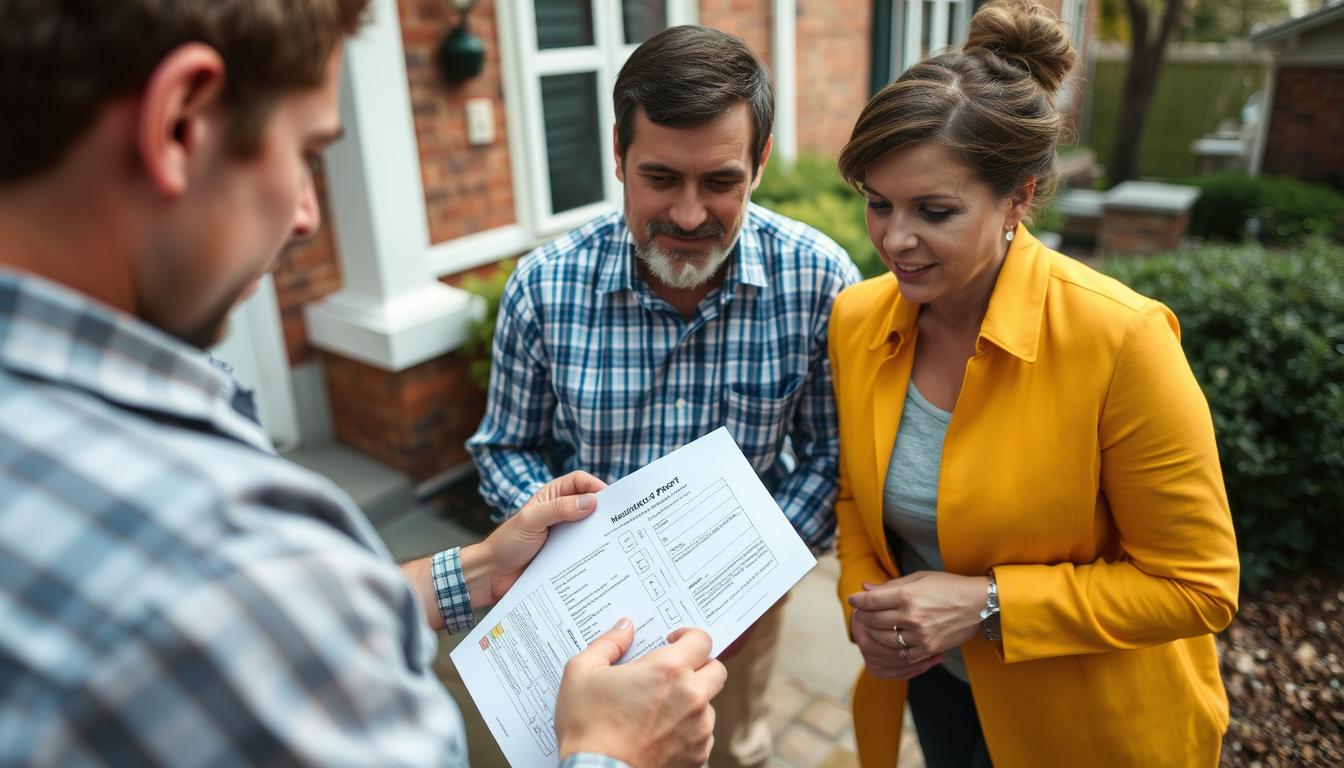
Understanding the legal requirements regarding termite inspections is essential for Baltimore property transactions. Maryland has specific regulations that protect buyers and ensure proper disclosure of termite issues.
Maryland Real Estate Transaction Requirements
- Wood Destroying Insect (WDI) Reports – Most lenders require a WDI inspection and report before closing
- FHA and VA Loans – Mandatory termite inspections for these federally-backed mortgages
- Disclosure Requirements – Sellers must disclose known termite damage or treatments
- Treatment Documentation – Records of previous termite treatments must be provided to buyers
- Inspection Timing – WDI reports are typically valid for 30-90 days, depending on the lender
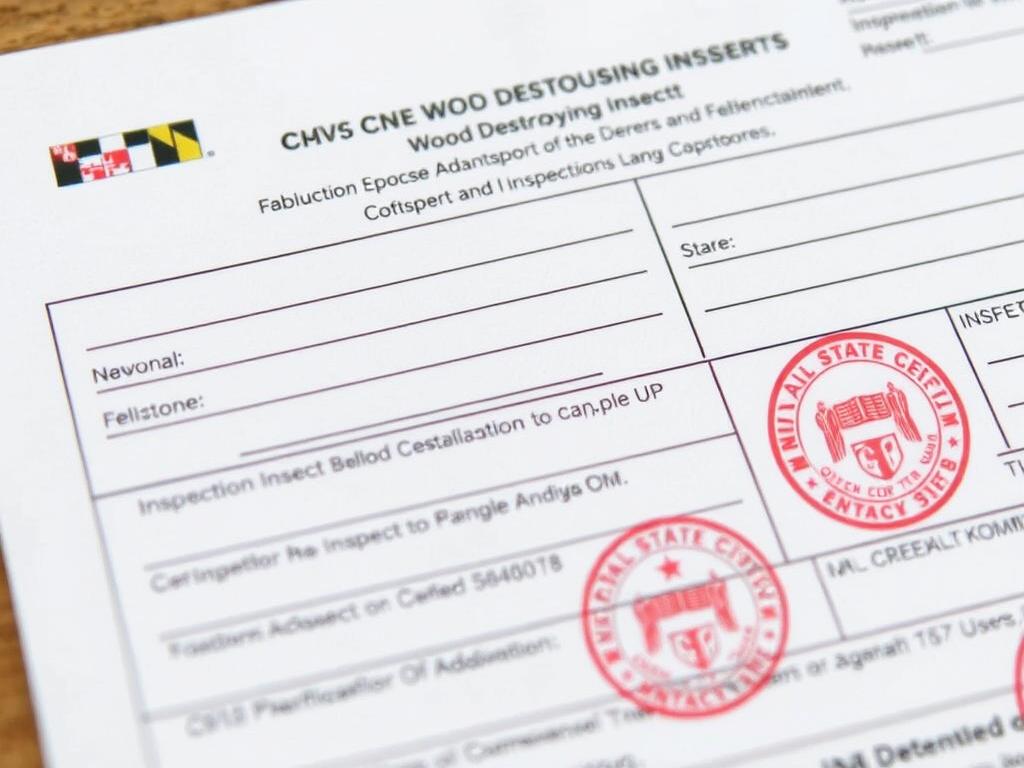
Important: In Baltimore City, all pest control companies performing termite inspections must be licensed by the Maryland Department of Agriculture. Always verify a company’s license before hiring them for a real estate inspection.
Baltimore-Specific Considerations
Baltimore has some unique considerations regarding termite inspections and real estate transactions:
- Historic district properties may have additional documentation requirements
- Row homes often require special attention to shared walls in inspection reports
- Properties in designated high-risk termite areas may face additional scrutiny from lenders
- Some neighborhoods have higher termite pressure, potentially affecting insurance rates
- Baltimore City housing code requires proper termite prevention measures for rental properties
A thorough termite inspection and clear WDI report can make the difference between a smooth closing and a delayed or canceled transaction. In Baltimore’s competitive real estate market, being proactive about termite inspections gives sellers a significant advantage.
Whether you’re buying, selling, or refinancing a Baltimore property, understanding these requirements helps you navigate the process smoothly and avoid last-minute complications.
Frequently Asked Questions About Termite Inspections in Baltimore
How often should Baltimore homes be inspected for termites?
Baltimore homes should be inspected for termites annually due to our high termite pressure. Properties with previous infestations, homes in high-risk areas (especially near water), and historic properties may benefit from bi-annual inspections. The best time for inspection is early spring, just before the termite swarming season begins (typically March through May in Baltimore).
Does homeowners insurance cover termites in Maryland?
Standard homeowners insurance policies in Maryland typically do not cover termite damage. This is because termite damage is considered preventable through proper maintenance and regular inspections. Some specialized policies may offer limited coverage, but these are uncommon and often expensive. The best protection is prevention through regular professional inspections and prompt treatment when termites are discovered.
What is the difference between a termite inspection and a Wood Destroying Insect (WDI) report?
A standard termite inspection focuses specifically on finding evidence of termites and assessing risk factors. A Wood Destroying Insect (WDI) report is more comprehensive and is typically required for real estate transactions. WDI reports document evidence of all wood-destroying insects (including termites, carpenter ants, powder post beetles, etc.), visible damage, and conducive conditions. WDI reports must follow specific formatting requirements and be completed by licensed professionals.
Are Baltimore row homes more susceptible to termite infestations?
Yes, Baltimore row homes can be more vulnerable to termite infestations for several reasons. Shared walls can allow termites to move between properties, making it possible for an infestation to spread along a row. The compact nature of row home neighborhoods also means less distance for termite colonies to travel between properties. Additionally, many row homes have wooden structural elements that contact or are close to soil, particularly in basement areas, creating easy access for subterranean termites.
What termite treatment options are available for historic Baltimore properties?
Historic properties in Baltimore have several termite treatment options that balance effectiveness with preservation concerns. These include: 1) Bait systems like Sentricon that require minimal disruption to the structure, 2) Targeted liquid treatments that can be applied to specific areas rather than the entire foundation, 3) Wood treatments that can be applied directly to affected or at-risk wooden elements, and 4) Physical barriers that can be installed during restoration work. Always consult with both a termite specialist and a historic preservation expert before treating historic properties.
Protect Your Baltimore Home with Professional Termite Inspections

Termites pose a significant threat to Baltimore homes, with our climate and housing stock creating ideal conditions for these destructive pests. Regular professional inspections are your best defense against costly damage and complicated repairs.
By understanding the signs of infestation, knowing what to expect during an inspection, and implementing proper prevention measures, you can protect your Baltimore property for years to come. Whether you own a historic Federal Hill row home or a modern Canton townhouse, termite vigilance is an essential part of responsible homeownership in our city.
Don’t Wait Until Termites Strike
Schedule your professional termite inspection before the spring swarming season begins. Protect your Baltimore home today.


