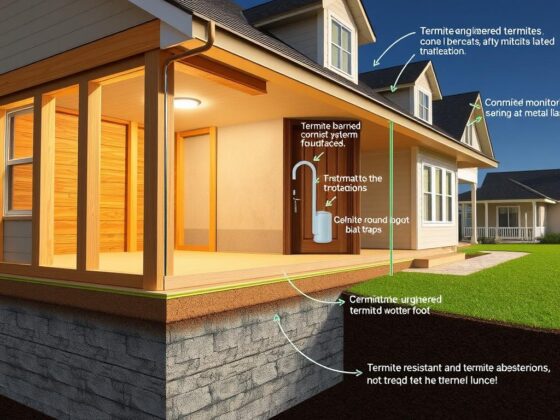





Did you know silent invaders cause over $5 billion in property damage annually across U.S. homes? These destructive pests work unseen, often escaping notice until structural harm becomes severe. Modern solutions offer powerful defenses, but choosing the right strategy requires understanding nuanced differences between leading approaches.
Two prominent pest control strategies dominate today’s market. One uses bait stations that disrupt insect growth cycles, while another creates invisible chemical barriers around properties. Both aim to protect homes from costly infestations but employ distinct scientific mechanisms.
The bait-based method relies on noviflumuron, an insect growth regulator that prevents molting. In contrast, liquid treatments use fipronil, a non-repellent compound that spreads through colonies. These differences impact installation requirements, environmental safety, and long-term effectiveness.
Homeowners must weigh factors like treatment duration and ecological footprint. Bait systems work gradually but minimize chemical use, while barrier methods provide faster results with periodic reapplications. Professional assessments often determine which solution aligns best with a property’s specific risks.
Key Takeaways
- Bait stations and liquid barriers represent fundamentally different protection strategies
- Growth regulators target insect biology, while non-repellent formulas spread through colonies
- Installation complexity varies between above-ground stations and soil treatments
- Environmental considerations influence product selection
- Long-term costs differ based on monitoring needs and retreatments
- Third-party certifications validate product safety claims
- Professional consultations optimize treatment outcomes
Introduction to Termite Extermination Methods
Early detection of wood-destroying pests prevents catastrophic structural damage. Modern pest control strategies rely on science-based approaches tailored to property layouts and environmental factors. Two primary methods dominate the industry, each addressing infestations through distinct biological mechanisms.
Core Protection Strategies
Baiting systems work by intercepting pests with cellulose materials containing slow-acting compounds. These stations eliminate entire colonies through gradual population decline. Liquid barriers create invisible shields around foundations using non-repellent formulas that spread through insect contact.
| Method | Action Time | Installation | Environmental Impact |
|---|---|---|---|
| Bait Stations | 6-12 weeks | Above-ground placement | Low chemical usage |
| Liquid Barriers | Immediate | Soil trenching | Higher initial application |
Matching Solutions to Structures
Your house foundation type determines which system performs best. Slab foundations often require specialized barrier applications, while pier-and-beam constructions allow easier station monitoring. Soil composition and moisture levels further influence treatment longevity.
Professional assessments identify high-risk zones like wooden deck supports or basement entry points. Experts analyze termite species behavior – subterranean varieties require different approaches than drywood types. Regular inspections ensure continued protection as environmental conditions change.
Overview of Sentricon System Features
Modern pest management solutions leverage biological insights to combat destructive insects. One innovative approach combines strategic placement with insect growth disruption, offering property protection through scientific precision.
Smart Station Design
The always-active stations contain cellulose material infused with growth inhibitors. These compounds target molting processes, causing colony breakdown through natural feeding behaviors. Tamper-resistant casings protect the bait while allowing insect access.
Strategic Implementation Process
Certified technicians position stations 10-20 feet apart around structures, creating a protective perimeter. Small ground-level installations preserve landscaping features. Regular inspections track bait consumption and activity patterns.
This method eliminates the need for disruptive soil trenching. The pre-loaded system begins working immediately upon installation. Most colonies show reduced activity within eight weeks as the growth regulator spreads through food-sharing networks.
Environmental certifications validate the low chemical footprint. The design minimizes exposure risks while maintaining effectiveness. Property owners benefit from continuous protection without frequent reapplications.
Exploring Terminix’s Liquid Termiticide Approach
Invisible defenses often provide the strongest protection against hidden threats. Advanced liquid solutions create undetectable shields around properties using targeted chemistry. These systems work differently than bait-based methods, focusing on immediate colony disruption.
How Liquid Barriers Outsmart Pests
Termidor HE contains fipronil – a non-repellent compound that remains invisible to destructive insects. Workers unknowingly carry the chemical back to their nests through normal grooming behaviors. This transfer effect eliminates entire colonies within three months by contaminating food sources.
The application process requires precision. Technicians dig 6-inch trenches around perimeter areas and perform strategic drilling through concrete slabs every 18 inches. Proper installation ensures complete coverage in soil zones where pests travel.
Balancing Efficiency and Ecology
Modern liquid termite treatments use 75% less water than older formulas while maintaining effectiveness. The concentrated solution reduces trench sizes and minimizes landscape disruption. EPA-approved dilution rates ensure environmental safety during application.
Key advantages include:
- Immediate protection upon installation
- 10-year effectiveness with annual inspections
- Reduced chemical exposure through targeted placement
You’ll notice two distinct benefits compared to other methods. First, the non-repellent formula doesn’t drive pests deeper into structures. Second, it addresses both existing infestations and future invasion attempts through residual activity.
Sentricon vs Terminix termite extermination: A Detailed Comparison
Selecting the right protection against wood-destroying pests hinges on method effectiveness and long-term results. Each solution employs unique biological strategies to achieve colony elimination, but their operational timelines and environmental impacts differ significantly.
Methodologies and Time to Effectiveness
Bait-based systems rely on cellulose stations containing insect growth regulators. These compounds disrupt molting cycles when consumed, gradually collapsing termite colonies through biological interference. Workers unknowingly share treated material, spreading the active ingredient across their networks.
Liquid barriers create immediate defensive perimeters using non-repellent formulas. Termites crossing treated zones transfer the compound to nestmates during grooming, accelerating colony elimination. Both methods typically require 60-90 days for full population collapse, though soil conditions and infestation size may alter timelines.
Pros and Cons of Each Approach
The baiting strategy minimizes landscape disruption during installation and allows visual monitoring of activity. Certified eco-friendly designs make it suitable for properties near wetlands or gardens. However, its gradual action depends on pests discovering the bait, which could delay results.
Liquid treatments provide instant control upon application and protect against multiple species simultaneously. Their decade-long effectiveness reduces recurring service needs. Drawbacks include invasive soil trenching during installation and limited visibility into ongoing treatment performance.
Cost structures reveal another key difference. Bait systems demand regular inspections and replenishment, increasing long-term expenses. Barrier methods involve higher initial setup costs but lower maintenance fees over time. Climate and property layout often determine which solution delivers better value.
Environmental and Safety Considerations
Protecting your property shouldn’t mean harming the planet. Modern pest control methods now prioritize ecological balance while defending structures. Let’s examine how different approaches manage environmental risks.
Eco-friendly Aspects of Baiting Systems
Bait stations revolutionized sustainable termite management by minimizing chemical dispersion. These systems earned recognition from the EPA’s Green Chemistry Challenge for reducing groundwater risks. Their design concentrates growth regulators in sealed units, preventing soil contamination.
Properties near water sources benefit most. Unlike liquid applications, baiting avoids chemical migration into wells or aquatic areas. Households with children or pets appreciate the tamper-resistant stations that keep active ingredients contained.
Potential Environmental Risks of Liquid Treatments
Traditional barrier methods require hundreds of gallons of diluted chemicals. In sandy soils or regions with high water tables, these solutions may seep into underground reserves. Applications near ponds or gardens often demand extra precautions.
Liquid treatments temporarily restrict landscaping changes to maintain barrier integrity. Professionals monitor soil pH and microbial activity to ensure chemical breakdown occurs safely. While effective, this approach demands careful planning in sensitive areas.
Both methods address termite threats differently. Baiting systems excel in ecological safety, while liquid barriers require more environmental oversight. Your property’s location and soil type often dictate the smarter choice.
Cost, Installation, and Professional Insights
Financial planning for home protection involves understanding two key factors: immediate expenses and recurring commitments. Pest control companies structure pricing models differently based on treatment complexity and monitoring needs. Let’s break down what homeowners should expect when budgeting for long-term property defense.
Comparative Analysis of Upfront and Maintenance Costs
Bait systems typically cost $1,500-$4,000 initially, with annual fees covering inspections and bait replacements. Liquid barriers require $1,200-$3,500 for installation but have lower yearly maintenance. These figures vary based on property size and regional labor rates.
| Expense Type | Bait Systems | Liquid Barriers |
|---|---|---|
| Initial Setup | $3,000-$4,000 | $2,500-$3,500 |
| Annual Maintenance | $200-$300 | $150-$275 |
| Warranty Period | 1-2 years | 5-10 years |
Role of Professional Expertise in Installation
Certified professionals ensure proper system deployment through specialized training. Bait station placement demands knowledge of insect foraging patterns, while liquid applications require precise soil saturation. Companies invest 40+ hours training technicians on chemical handling and monitoring protocols.
Licensing requirements differ by state. Liquid treatments often need pesticide applicator certifications, whereas bait installations focus on structural assessment skills. Homeowners gain access to warranty protections only when using authorized providers.
Regular inspection schedules maintain system effectiveness. Technicians check bait consumption monthly and reapply barriers annually. This ongoing care prevents gaps in protection while adapting to environmental changes.
Maintenance, Monitoring, and Long-Term Effectiveness
Consistent upkeep determines a property’s defense durability against wood-destroying invaders. Both protection strategies demand regular attention, though their care routines differ like clockwork versus calendar alerts. Proper maintenance ensures systems perform as engineered while adapting to seasonal activity shifts.
Scheduled Service Requirements
Monthly monitoring proves critical for bait-based systems. Technicians check stations every 30 days, documenting consumption patterns and replenishing materials. This frequency prevents empty stations from creating vulnerability gaps – pests can drain supplies in under four weeks.
Liquid barriers require annual inspections to maintain warranty coverage. Professionals verify soil saturation levels and retreat high-risk zones. Detailed records track application dates and environmental changes affecting chemical longevity.
Above-ground stations address active infestations through targeted placement. These supplementary tools work alongside perimeter defenses, requiring more frequent checks during initial treatment phases. Proper documentation helps technicians adjust strategies based on pest behavior trends.
Homeowners benefit from understanding these rhythms. Regular maintenance preserves system integrity while providing peace of mind against costly structural repairs. The right schedule balances protection needs with practical time commitments.
FAQ
How do bait-based systems eliminate termite colonies differently than liquid treatments?
Bait stations use cellulose material laced with slow-acting insect growth regulators, which worker termites carry back to their nests. This disrupts molting cycles and eradicates colonies over weeks. Liquid termiticides create immediate chemical barriers that repel or kill pests on contact but require precise application around foundations.
Which solution provides faster protection against active infestations?
Liquid treatments typically offer quicker initial results by creating a defensive zone within days. Baiting systems require more time (often 3-6 months) to achieve colony elimination but provide ongoing monitoring and preventative benefits.
Are there environmental advantages to using bait stations over soil-applied chemicals?
Bait systems minimize chemical dispersion since treatment occurs only at monitored stations. They use significantly less active ingredient compared to liquid barriers, reducing potential groundwater contamination risks. However, modern liquid formulas now include eco-friendly components that break down faster in soil.
What maintenance is required for each type of termite defense system?
Bait stations need quarterly professional inspections with bait replenishment as consumed. Liquid barriers require annual reapplication in high-risk areas and periodic integrity checks. Both systems benefit from regular property inspections to detect new activity zones.
How do installation processes differ between these pest control methods?
Liquid treatments involve trenching and rodding around foundations, requiring access to soil areas. Bait station installation uses minimally invasive placement at calculated intervals without major landscape disruption. Both methods demand professional expertise for optimal placement and effectiveness.
Which approach offers better long-term value considering upfront and recurring costs?
Liquid barriers generally have lower initial costs but may require more frequent retreatments. Bait systems involve higher upfront investment but often prove cost-effective over 5+ years through targeted colony elimination and reduced chemical usage. Geographic risk factors and property size significantly influence total costs.
Can these systems be combined for enhanced protection?
Some pest control professionals recommend hybrid approaches using liquid barriers at high-risk entry points with bait stations for monitoring. This strategy leverages immediate repellency while targeting hidden colonies, though it increases overall installation and maintenance complexity.
Related TermiteHQ guide: expert review process.
Related TermiteHQ guide: compare termite treatments.
Related TermiteHQ guide: termite treatment cost estimator.
Related TermiteHQ guide: termite damage repair calculator.
Related TermiteHQ guide: termite inspection guide.