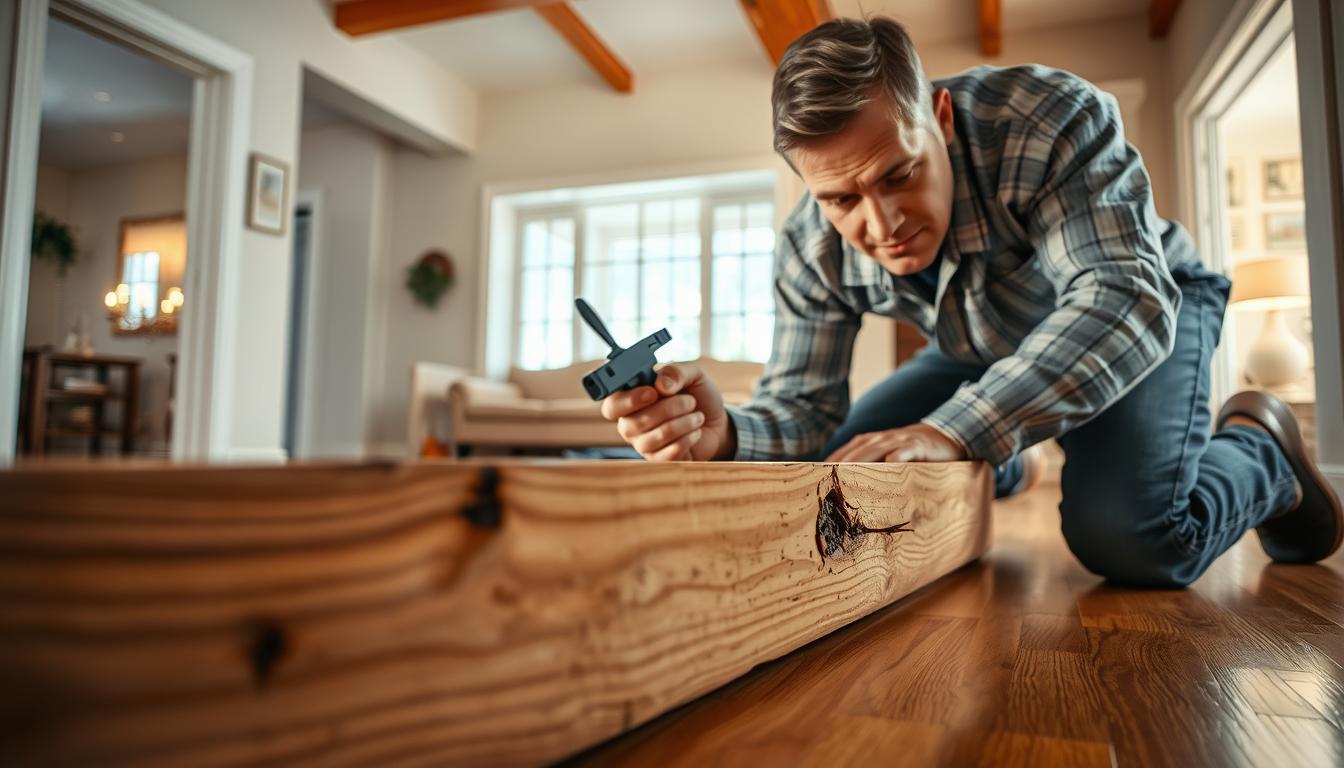



The forensic differentiation between Termite Frass and carpenter ant “frass” (more accurately termed “extrusions”) is a cornerstone of accurate structural diagnosis. Termite fecal pellets, specifically from drywood species like Incisitermes minor, are highly specialized biological artifacts. These pellets are approximately 1mm in length and possess six distinct concave sides, a result of the termite’s need to extract every drop of moisture from their waste within the arid environment of seasoned wood. These pellets are consistently uniform in shape and color, often mimicking the hue of the wood they have consumed. Because drywood termites are meticulous, they eject these pellets through tiny “kick-out holes,” leading to neat, concentrated mounds that resemble small piles of sand or pepper.
In sharp contrast, carpenter ant extrusions are essentially the “trash” of an ant colony rather than metabolic waste. Ants do not consume wood; they excavate it to create galleries. Therefore, their debris—often called “sawdust”—is a chaotic mixture of shredded wood fibers, dead insect parts, and general colony refuse. Under magnification, this material lacks any geometric uniformity, appearing as jagged, fibrous strands rather than rounded pellets. This distinction is critical for the 2026 homeowner because the treatment protocols for these two pests are diametrically opposed. Treating for ants when the issue is actually drywood termites will result in a total failure of the chemical barrier, allowing the structural damage to continue unabated.
From an Expert POV, the strategic significance of this identification cannot be overstated. In 2026, AI-powered diagnostic apps can now analyze a photo of a debris mound and provide a probability score based on pellet morphology. If you identify hexagonal pellets, you are looking at a localized structural threat that may require Sulfuryl Fluoride fumigation or targeted heat treatments. If you see fibrous sawdust, the threat is likely moisture-related, as carpenter ants favor decaying wood. Correctly identifying these Signs of Infestation at this stage saves the property owner an average of $4,000 in unnecessary treatment costs and prevents the structural degradation of the property’s primary support beams.
Subterranean Termite Treatment Cost: A Forensic Breakdown of Asset Liability
Strategic mitigation of subterranean termites is no longer a mere maintenance line item; it is a critical calculus in preserving structural...
