



Central Texas properties face unique challenges from wood-destroying insects that demand specialized solutions. Local experts combine scientific knowledge with practical strategies to protect structures while maintaining ecological balance. This approach ensures treatments address both visible damage and hidden colonies threatening your investment.
Prescription Pest, operating since 1998, exemplifies this balanced methodology. Their licensed technicians design customized programs that adapt to property size and infestation severity. Advanced detection tools help identify high-risk zones, allowing targeted interventions that reduce chemical usage by up to 40% compared to standard methods.
Homeowners benefit from transparent pricing models covering initial assessments, treatment applications, and warranty-backed follow-ups. Third-party reviews highlight the importance of choosing providers with proven track records in Central Texas’ distinct climate and pest patterns. Regular monitoring services prove particularly valuable for preventing recurrent issues in humid environments.
Key Takeaways
Contents
- 1 Understanding the Termite Menace in Austin TX
- 2 Exploring Affordable Termite Extermination Options
- 3 Comprehensive termite extermination austin tx Solutions
- 4 Why Local Expert Technicians Make a Difference
- 5 Navigating Customer Reviews and Service Ratings
- 6 Detailed Pricing and Inspection Process
- 7 Preventative Measures for Future Infestations
- 8 Additional Tips for Managing Termite and Pest Problems
- 9 Conclusion
- 10 FAQ
- 10.1 How can I spot early signs of termite activity in my home?
- 10.2 Are DIY pest control methods effective against severe infestations?
- 10.3 What factors influence the cost of termite treatments?
- 10.4 How often should businesses schedule pest inspections?
- 10.5 Can pest control programs prevent bed bugs and ants simultaneously?
- 10.6 Why choose local exterminators over national chains?
- 10.7 What safety measures protect families during treatments?
- Local expertise ensures tailored solutions for regional pest challenges
- Advanced detection methods minimize environmental impact
- Custom programs adapt to property specifications and budget needs
- Warranty-backed services provide long-term protection
- Verified customer feedback helps identify reliable providers
Understanding the Termite Menace in Austin TX
Silent invaders can compromise a home’s stability long before visible signs emerge. Central Texas residents face particular risks from wood-consuming pests that thrive in the region’s climate. Recognizing early warnings protects both your living space and financial investment.
Identifying Signs of Hidden Infestations
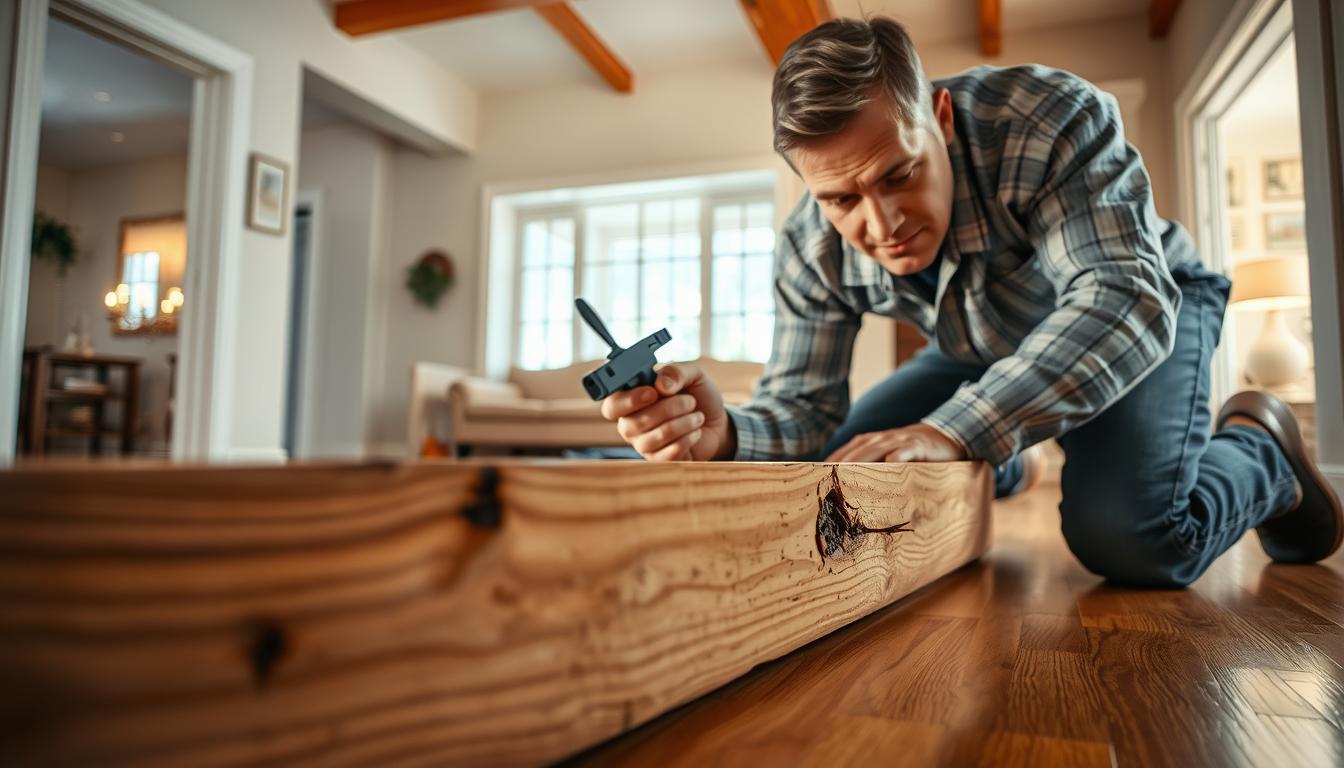
Wood-destroying pests leave distinct evidence. Look for pencil-sized mud tunnels climbing foundation walls or crumbling wood that sounds hollow when tapped. These moisture-seeking insects often discard wings near entry points while establishing new colonies.
Frass (sawdust-like droppings) accumulates near damaged areas. Subterranean species build intricate mud tubes to protect themselves from dry air. Regular checks around crawl spaces and basements help catch these red flags early.
Impact on Structures and Safety
Untreated infestations weaken load-bearing beams and floor joists over time. This damage often remains hidden behind walls until serious structural issues arise. Repair costs can escalate quickly when support systems become compromised.
Three critical consequences include:
- Decreased property value from documented pest activity
- Safety risks from unstable floors or ceilings
- Expensive renovations to replace ruined framing
Professional assessments become crucial when finding multiple warning signs. Specialists use moisture meters and thermal imaging to detect activity invisible to untrained eyes, preventing minor issues from becoming major crises.
Exploring Affordable Termite Extermination Options
Protecting your property from wood-destroying pests doesn’t have to strain your budget. Smart homeowners and business operators balance upfront costs with long-term results by evaluating service structures that match their specific needs.
Comparing Prices and Service Packages
Reputable providers offer three primary pricing models: single treatments for immediate issues, annual contracts for ongoing protection, and bundled packages addressing multiple pest types. Bundled pest control services often reduce per-visit costs by 15-30% compared to standalone solutions.
Look for companies providing itemized quotes that separate inspection fees, treatment applications, and warranty details. For example, a 2,500 sq. ft. home might require different chemical quantities than a commercial warehouse – quality providers adjust their approach accordingly.
Cost-Effective Strategies for Lasting Results
Integrated pest management combines targeted treatments with preventive measures like moisture control and habitat modification. This approach minimizes repeat infestations while using fewer chemicals. Many businesses benefit from quarterly monitoring plans that catch early warning signs before major damage occurs.
Key factors influencing effectiveness:
- Proper application techniques ensuring product reaches nest zones
- Follow-up inspections verifying colony elimination
- Warranty transfers if selling your property
Prioritize providers with verified customer feedback and proper licensing. These indicators often correlate with consistent results and transparent business practices.
Comprehensive termite extermination austin tx Solutions
Modern pest management strategies combine precision technology with ecological awareness to address complex infestations. Specialists now deploy multi-phase protocols that eliminate active colonies while creating defensive barriers against future threats. This dual-action methodology proves essential for maintaining property integrity in high-risk regions.
State-of-the-Art Techniques and Tools
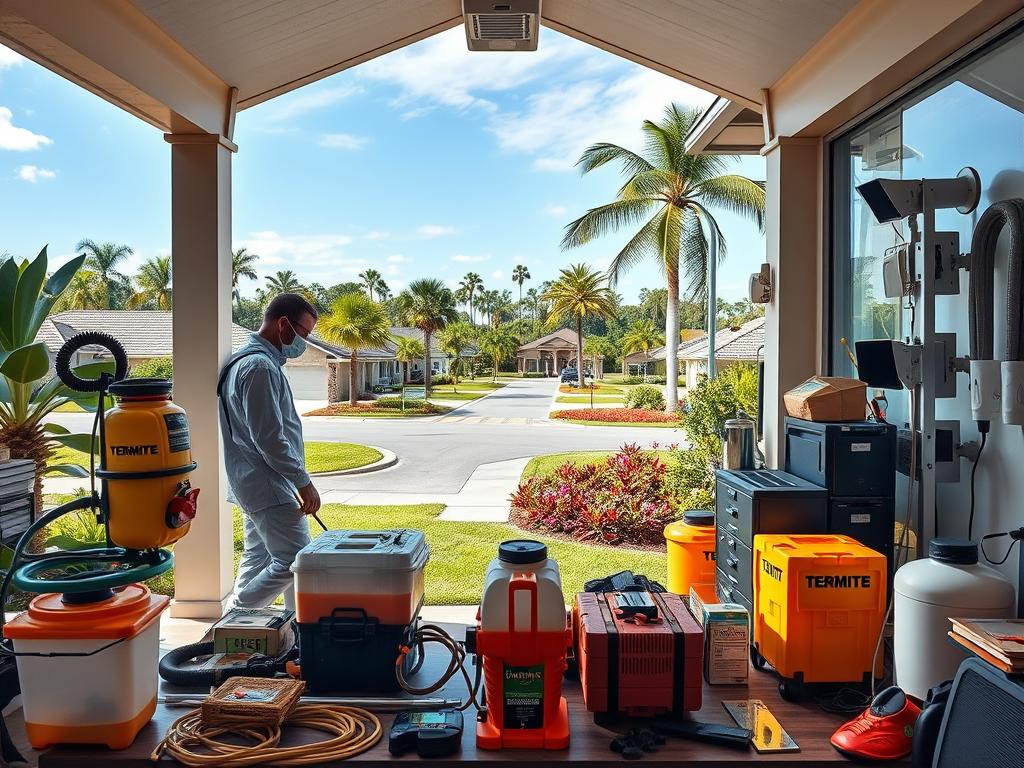
Cutting-edge detection systems revolutionize how professionals locate destructive pests. Thermal imaging cameras identify heat signatures from active colonies behind walls. Moisture meters pinpoint water sources that attract wood-consuming insects.
Three primary treatment methods dominate modern protocols:
| Method | Application | Effectiveness |
|---|---|---|
| Liquid Termiticides | Soil barriers | 10+ year protection |
| Bait Systems | Strategic placement | Colony elimination |
| Fumigation | Whole-structure | Immediate results |
Integrated Pest Control Approaches
Effective programs blend chemical treatments with habitat modification. Professionals often recommend reducing soil-to-wood contact and fixing leaks to deter pests. Physical barriers like steel mesh complement liquid applications for layered defense.
Key components of successful management include:
- Quarterly monitoring plans
- Environmentally-sensitive products
- Customized action thresholds
Why Local Expert Technicians Make a Difference
Effective pest management hinges on specialized knowledge of regional ecosystems. Local professionals bring insights about seasonal patterns and species behavior that generic providers lack. This expertise translates to faster problem-solving and sustainable results for property owners.
State Licensed Professionals in the Austin Area
State-licensed technicians complete rigorous training in safe chemical application and habitat analysis. Prescription Pest’s certified team, active since 1998, demonstrates how proper credentials ensure compliance with municipal codes and environmental regulations. Their continuing education covers emerging threats and eco-conscious methods.
Licensing also guarantees accountability through insurance coverage and adherence to industry standards. You gain peace of mind knowing treatments align with local safety protocols while delivering measurable outcomes.
Prescription Pest’s Customized Pest Control Programs
This established pest control business designs solutions based on property-specific factors like construction materials and moisture levels. Their technicians assess landscaping features and historical activity to create layered defense strategies.
Three pillars define their approach:
- Rapid response capabilities in familiar service areas
- Preventive measures tailored to microclimates
- Ongoing monitoring backed by transferable warranties
Such customized programs address current infestations while disrupting pest lifecycles. The result? Long-term protection adapted to your unique environment and budget needs.
Evaluating service providers requires more than price comparisons—authentic user experiences reveal critical insights. Modern consumers increasingly rely on digital feedback to assess pest control services, with 72% of homeowners checking reviews before hiring professionals according to recent industry surveys.
Decoding Feedback From Real Clients
Detailed testimonials often highlight technician expertise and treatment results. One client noted: “Their team explained every step while addressing our infestation concerns.” Such comments help identify providers who combine technical skill with clear communication.
Look for patterns in feedback rather than isolated opinions. Consistent mentions of follow-up inspections or warranty transfers indicate reliable business practices. Negative reviews become valuable when they show how companies resolve unexpected challenges.
Establishing Credibility Through Transparency
Verified platforms like Google Business Profile filter fake testimonials, offering objective performance metrics. These systems track response times and satisfaction rates across multiple termite control projects. Providers with 4.5+ stars typically demonstrate proven success in diverse scenarios.
Three elements distinguish trustworthy companies:
- Photographic evidence of completed treatments
- Responses to critical feedback showing problem-solving
- Detailed explanations of service guarantees
This approach helps homeowners align expectations with realistic outcomes while fostering accountability among service providers. Quality business operators encourage reviews as part of their customer engagement strategy, knowing transparency builds lasting trust.
Detailed Pricing and Inspection Process
Thorough property evaluations form the backbone of effective pest management strategies. Qualified specialists use methodical approaches to uncover hidden risks while explaining cost structures transparently. This dual focus helps homeowners balance immediate needs with long-term protection goals.
Scheduling Your Customized Assessment
Professional evaluations examine critical zones like basements, attics, and foundation perimeters. Technicians deploy moisture detectors and infrared scanners to identify activity in concealed areas. Flexible appointment slots accommodate busy schedules while allowing 60-90 minutes for complete analysis.
Three key factors influence inspection protocols:
| Property Feature | Assessment Focus | Common Findings |
|---|---|---|
| Older Construction | Structural vulnerabilities | Decayed wood |
| Humid Areas | Moisture sources | Mud tubes |
| Previous Treatments | Barrier integrity | Gaps in protection |
Detailed reports outline treatment options with clear pricing tiers. Most companies separate initial service fees from ongoing monitoring costs. A typical house evaluation might include:
- Baseline activity documentation
- Risk factor scoring system
- Customized action plan
Homeowners receive prioritized recommendations addressing both active issues and preventive measures. This way of structuring services helps property owners allocate budgets effectively while safeguarding their investments.
Preventative Measures for Future Infestations
Proactive defense strategies form the cornerstone of long-term property protection against destructive invaders. Implementing science-backed prevention plans reduces risks while maintaining ecological balance. These measures combine physical barriers, environmental adjustments, and professional oversight to disrupt pest lifecycles before they escalate.
Pest Control Programs for Homes and Businesses
Tailored pest control plans address unique property vulnerabilities through scheduled treatments and habitat adjustments. Residential solutions often include:
- Quarterly exterior barrier applications
- Moisture reduction strategies near foundations
- Bait station installations in high-risk zones
Commercial properties require specialized approaches considering operational needs. Warehouse managers might implement:
- Storage rack inspections during off-hours
- Employee training on sanitation protocols
- Non-toxic deterrents near loading docks
Regular Maintenance and Yearly Inspections
Consistent upkeep prevents conditions that attract unwanted guests. Focus on three critical areas:
| Priority | Home Actions | Business Actions |
|---|---|---|
| Water Management | Clean gutters bi-annually | Inspect irrigation systems monthly |
| Structural Defenses | Seal foundation cracks | Install weather stripping |
| Landscape Care | Trim shrubs 12″ from walls | Maintain gravel perimeter zones |
Annual professional evaluations verify prevention measures remain effective. Certified technicians use thermal imaging and moisture meters to detect early warning signs most homeowners miss. These inspections often pay for themselves by catching issues before they require costly repairs.
Additional Tips for Managing Termite and Pest Problems
Managing multiple pest species requires understanding their shared habitats and vulnerabilities. Conditions attracting one invader often create opportunities for others, making integrated strategies essential. A cracked window seal or damp woodpile might invite ants while creating pathways for other unwanted guests.
Addressing Related Issues Like Bed Bug and Ant Infestations
Bed bug treatment demands precision due to their hiding spots in mattresses and furniture. Professionals often combine heat applications with targeted insecticides, ensuring eradication without excessive chemical use. Regular vacuuming and mattress encasements help prevent reinfestations between professional visits.
Ant colonies frequently signal underlying moisture problems near your home’s foundation. Fixing leaky pipes and redirecting downspouts reduces attractants while deterring wood-damaging pests. Did you know? Some ant species actually protect aphids that harm plants, creating cascading garden issues.
| Pest Type | Prevention Strategy | Treatment Method |
|---|---|---|
| Bed Bugs | Regular mattress inspections | Thermal remediation |
| Carpenter Ants | Remove decaying wood | Bait station placement |
| Mosquitoes | Eliminate standing water | Larvicide treatments |
Window and door maintenance forms your first defense against crawling and flying pests. Weather stripping not only blocks entry points but improves energy efficiency – a practical way to protect both your home and wallet. For severe infestations, reputable pest control businesses offer combination plans addressing multiple species through scheduled treatments.
Structural vulnerabilities often connect different pest problems. Cracks in wooden beams might host powderpost beetles while allowing ant entry. Professional assessments identify these overlapping risks, creating comprehensive solutions that save time and resources long-term.
Conclusion
Safeguarding your home from destructive pests demands expertise and proactive planning. Specialized pest control services combine advanced treatments with preventive measures to address current issues while stopping future threats. Prescription Pest’s 25+ years of local experience demonstrates how customized solutions preserve property value and safety.
Effective colony management relies on three pillars: precise detection tools, eco-conscious treatment methods, and regular monitoring. Homeowners benefit most when partnering with licensed professionals who understand regional risks. This approach minimizes chemical use while maximizing long-term results.
For comprehensive protection, contact Prescription Pest at 512.248.0950. Their team balances ecological responsibility with proven strategies to secure homes and businesses. Annual inspections and maintenance plans help maintain defense barriers year-round.
Investing in professional damage prevention saves thousands in repair costs over time. By addressing moisture control, structural vulnerabilities, and early warning signs, you create an environment where pests struggle to thrive. Smart property management starts with expert guidance – the key to lasting peace of mind.
FAQ
How can I spot early signs of termite activity in my home?
Look for mud tubes along foundations, hollow-sounding wood, discarded wings near windows, or frass (termite droppings). Warped doors or cracked paint may also indicate moisture buildup attracting pests.
Are DIY pest control methods effective against severe infestations?
While store-bought solutions may temporarily reduce visible pests, they rarely address hidden colonies or structural vulnerabilities. Professional technicians use targeted treatments and monitoring systems for long-term results.
What factors influence the cost of termite treatments?
Pricing depends on infestation severity, property size, treatment type (liquid barriers vs. bait systems), and warranty coverage. Most companies offer free inspections to provide accurate estimates.
How often should businesses schedule pest inspections?
Commercial properties benefit from quarterly inspections due to higher foot traffic and storage areas. Homes typically require annual checks, though older structures or moisture-prone zones may need bi-annual visits.
Can pest control programs prevent bed bugs and ants simultaneously?
Integrated pest management (IPM) strategies address multiple species through habitat modification, exclusion techniques, and eco-friendly treatments. Discuss multi-pest plans with licensed technicians during inspections.
Why choose local exterminators over national chains?
Austin-based teams understand regional pest behaviors, climate challenges, and local building codes. They often provide faster response times and personalized service compared to corporate franchises.
What safety measures protect families during treatments?
Reputable companies use EPA-approved products applied by certified technicians. Many offer pet-friendly options and clear post-treatment guidelines to ensure household safety while eliminating pests.