
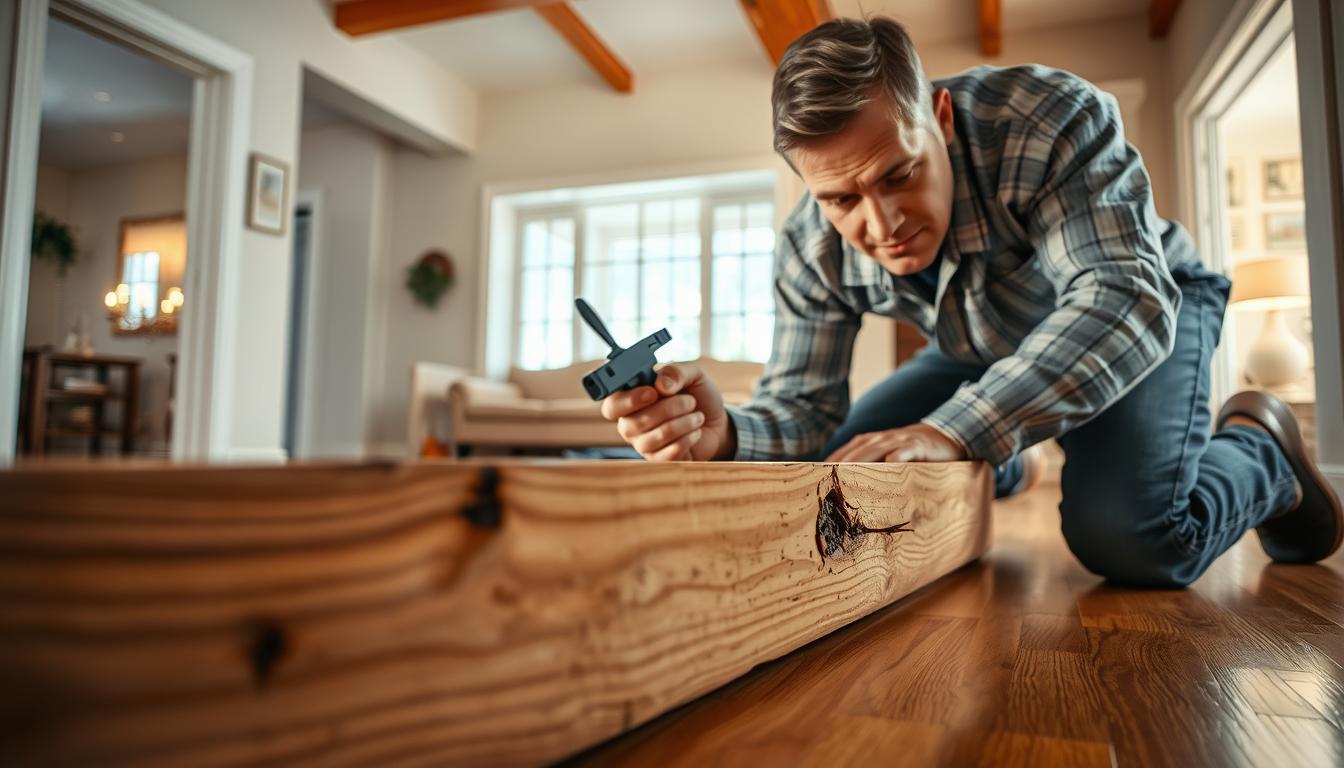




Protecting your property from wood-destroying pests requires both vigilance and strategic planning. In Sacramento’s warm climate and clay-rich soil, certain species thrive, creating unique challenges for property maintenance. Understanding financial commitments for professional solutions helps homeowners balance protection with budget considerations.
Local service providers offer diverse pricing models, including monthly plans starting near $42 and annual packages up to $868. These figures align closely with national averages but reflect regional factors like infestation patterns and structural vulnerabilities. Early detection often reduces expenses by 60-80% compared to addressing advanced damage.
Property size and construction type significantly influence pricing. Single-story homes typically incur lower fees than multi-level structures, while concrete slabs versus crawl spaces alter treatment approaches. Many Sacramento companies provide free assessments to clarify these variables before committing to services.
Key Takeaways
Contents
- 1 Understanding Termite Infestations in Sacramento
- 2 termite treatment cost sacramento: Key Pricing Factors
- 3 Exploring Different Termite Treatment Methods
- 4 Inspection Process: Early Detection and Damage Assessment
- 5 Local Sacramento Pest Control Services
- 6 Preventative Measures to Safeguard Your Home
- 7 Financial Implications: Repair Costs and Budgeting for Termite Treatment
- 8 FAQ
- 8.1 What factors influence pricing for structural pest management services?
- 8.2 How do chemical barriers compare to baiting systems for long-term protection?
- 8.3 Why are professional evaluations critical before starting any protocols?
- 8.4 What maintenance strategies help prevent recurring issues post-treatment?
- 8.5 How do local climate conditions affect pest management approaches?
- 8.6 Are structural repairs included in initial service estimates?
- 8.7 What credentials indicate reliable service providers in this field?
- Local climate conditions increase vulnerability to specific pest species
- Preventative measures typically cost less than structural repairs
- Service fees vary based on property characteristics and infestation scope
- Multiple protection plans exist for different budgetary needs
- Professional assessments help identify risk factors early
Understanding Termite Infestations in Sacramento
The region’s climate and soil composition make it a hotspot for wood-consuming insects. Warm temperatures and moisture fluctuations create ideal breeding conditions, particularly in older neighborhoods with diverse architectural styles.
Common Signs and Symptoms
Property owners should watch for these indicators of pest activity:
- Mud tunnels along foundations or crawl spaces
- Discarded insect wings near entry points
- Wood that sounds hollow when tapped
- Sawdust-like residue near wooden surfaces
Regional Challenges and Impact
Two primary insect species threaten local structures. Subterranean varieties build extensive underground networks, while drywood types infiltrate attics and wooden beams directly. Spring swarms often signal new colony formation, particularly after rainy periods.
Older properties face heightened risks due to traditional construction materials. The economic consequences extend beyond repair bills, potentially affecting resale value and insurance premiums. Regular monitoring helps identify issues before they escalate into major structural concerns.
termite treatment cost sacramento: Key Pricing Factors
Multiple elements shape the final expenses of protecting structures from wood-consuming insects. Property dimensions rank as the most influential factor, with larger spaces needing expanded chemical barriers or monitoring systems. Structural layout and accessibility further modify project scope, particularly in historic neighborhoods with unique architectural features.
| Method | Coverage | Price Range |
|---|---|---|
| Chemical Barriers | Linear Foot | $3 – $16 |
| Bait Stations | Linear Foot | $8 – $12 |
| Heat Application | Per Project | $800 – $2,500 |
| Whole-Structure Fumigation | Per Project | $1,200 – $2,500 |
Infestation severity directly impacts material and labor requirements. Widespread colonies often demand multiple interventions, increasing service fees. Specialized approaches like heat application typically cost 40-60% more than standard chemical treatments due to equipment needs.
Local soil composition and market competition create regional price variations. Some companies offer bundled plans for recurring monitoring, while others charge per intervention. Always request detailed estimates comparing initial outlays against long-term protection needs.
Exploring Different Termite Treatment Methods
Modern solutions for safeguarding homes combine advanced technology with ecological considerations. Property owners can choose from multiple strategies based on infestation severity, environmental impact, and long-term effectiveness.
Chemical Barriers Versus Bait Networks
Liquid applications create invisible shields around foundations, with costs ranging from $3–$16 per linear foot. These solutions remain active for years, disrupting pest life cycles upon contact. Bait stations offer slower-acting alternatives at $8–12 per linear foot, strategically placed to eliminate entire colonies through shared food sources.
Thermal and Gas-Based Solutions
Heat applications raise indoor temperatures to 150°F, eradicating pests without chemicals for $800–$2,500. Whole-structure fumigation costs $1,200–$2,500, using sealed tents and specialized gases to penetrate hidden colonies. Micro-approaches target specific areas with precision tools, costing up to $1,150 for non-chemical alternatives.
| Method | Application | Cost Range | Effectiveness |
|---|---|---|---|
| Liquid Barriers | Perimeter Protection | $3–$16/ft | 5–8 years |
| Bait Stations | Colony Elimination | $8–$12/ft | 3–6 months |
| Heat Treatment | Whole Structure | $800–$2,500 | Immediate |
| Tenting | Full Eradication | $1,200–$2,500 | Complete |
Professionals assess property layouts and pest behavior patterns to recommend optimal strategies. Environmentally conscious homeowners often prefer heat or bait systems, while severe infestations may require comprehensive gas-based approaches. Regular monitoring after intervention ensures sustained protection.
Inspection Process: Early Detection and Damage Assessment
Thorough evaluations form the foundation of effective pest management strategies. Certified teams examine properties using methodical approaches to identify risks before structural harm escalates. These assessments combine visual checks with cutting-edge technology, creating layered defense systems against destructive invaders.
Professional Inspection Techniques
Experts follow standardized protocols to scrutinize critical zones like foundations and attics. Moisture meters detect hidden water sources that attract pests, while thermal cameras reveal temperature anomalies in walls. Acoustic devices pick up feeding noises within wooden beams – sounds humans typically miss.
Evaluating Infestation Severity
Inspectors analyze multiple factors to gauge problem magnitude:
- Colony activity patterns across different property sections
- Structural material degradation levels
- Species-specific behavioral characteristics
Detailed reports document findings with photographs and action plans. Many local providers offer complimentary assessments, helping homeowners make informed decisions without financial pressure. Regular check-ups create protective barriers against future invasions through proactive monitoring.
Local Sacramento Pest Control Services
Sacramento residents benefit from specialized companies offering tailored solutions for property protection. Leading providers combine advanced technology with localized expertise to address regional challenges effectively.
Service Packages and Subscription Plans
Top-rated companies provide flexible options for different needs and budgets. Monthly monitoring programs start at $30, covering regular inspections and barrier maintenance. Comprehensive packages often include free initial assessments and discounted follow-up visits.
| Provider | Starter Plan | Premium Plan | Special Offers |
|---|---|---|---|
| Local Pest Solutions | $30/month | $85/month | $300 discounts for property managers |
| PermaKill Exterminating | $45/month | $110/month | Free annual inspection |
| Pinnacle Pest Control | $35/month | $95/month | 15% off first treatment |
Many providers offer educational resources to help clients understand protection strategies. Real-time activity alerts through mobile apps keep homeowners informed about potential threats.
Customer Reviews and Credibility
Reputable companies maintain high standards through certified technicians and proven methods. Online reviews highlight response times, treatment effectiveness, and communication quality as key decision factors.
| Company | Rating | Response Time | Service Guarantee |
|---|---|---|---|
| Local Pest Solutions | 4.9/5 | 24-48 hours | 5-year warranty |
| PermaKill Exterminating | 4.7/5 | 48-72 hours | 3-year warranty |
| Pinnacle Pest Control | 4.8/5 | 24 hours | Lifetime monitoring |
Transparent pricing structures and proper licensing distinguish reliable providers. Many companies participate in local business associations, demonstrating community commitment and service quality.
Preventative Measures to Safeguard Your Home
Proactive defense strategies form the cornerstone of long-term structural integrity against invasive species. Effective approaches combine moisture management, physical barriers, and smart landscaping to disrupt pest life cycles. Monitoring stations priced at $40 per unit (or $135 for six) provide affordable early detection tools for property owners.
Ongoing Monitoring and Maintenance Strategies
Moisture regulation proves critical for deterring wood-consuming insects. Fix plumbing leaks promptly and ensure crawl spaces have proper ventilation. Redirect downspouts away from foundations to prevent water accumulation that attracts pests.
Physical barriers create robust defenses when installed correctly. Seal foundation cracks wider than 1/16 inch using durable caulk. Maintain 6-inch gaps between soil and wooden structures to limit access points.
Chemical soil treatments establish protective zones around properties. These solutions remain active for years, disrupting pest communication and feeding patterns. Combine with bait stations for layered protection against underground colonies.
Landscape management reduces risks significantly. Remove fallen branches and stored firewood near structures. Use gravel instead of mulch near foundations and trim shrubs regularly to improve air circulation.
Annual professional inspections catch vulnerabilities before they escalate. Many providers offer maintenance plans that include barrier renewals and monitoring station checks. These services ensure protection systems adapt to seasonal changes and property modifications.
Financial Implications: Repair Costs and Budgeting for Termite Treatment
Balancing home protection expenses requires understanding both immediate interventions and future safeguards. Structural repairs often exceed prevention costs, with framing fixes reaching $1,050 and attic insulation replacements climbing to $1,900. Extensive crawl space rehabilitation averages $6,000, highlighting why early action proves critical.
Strategic Investment Considerations
Colonies devour 13 ounces of wood daily, making timely responses essential. Liquid barriers provide five years of coverage, reducing recurring fees. Bait systems demand annual maintenance but offer targeted colony elimination.
Homeowners should compare upfront service fees against long-term savings. Many discover that initial outlays for professional solutions prevent four-figure repair bills later. Bundled monitoring plans help spread expenses while maintaining consistent protection.
Creating a financial plan involves evaluating property risks and treatment lifespans. Proactive measures not only preserve structural integrity but also maintain property values. Regular inspections give clarity on evolving needs, allowing adjustments before minor issues escalate.
Peace of mind comes from knowing defenses align with both budgetary constraints and home preservation goals. Consult local experts to develop customized strategies that address specific vulnerabilities while optimizing resource allocation.
FAQ
What factors influence pricing for structural pest management services?
Costs depend on property size, infestation severity, treatment type (chemical barriers vs. bait systems), and required repairs. Larger homes or advanced infestations typically require more extensive protocols.
How do chemical barriers compare to baiting systems for long-term protection?
Liquid treatments create immediate soil barriers, while bait stations target colonies gradually. Professionals often combine methods based on regional species activity and environmental conditions.
Why are professional evaluations critical before starting any protocols?
Certified inspectors use thermal imaging and moisture meters to locate hidden colonies. This assessment determines treatment scope and prevents unnecessary structural interventions.
What maintenance strategies help prevent recurring issues post-treatment?
Quarterly monitoring, moisture control, and removing wood-to-soil contact reduce reinfestation risks. Many companies offer maintenance plans with annual inspections.
How do local climate conditions affect pest management approaches?
Sacramento’s Mediterranean climate promotes subterranean species activity year-round. Technicians adapt methods for soil composition and seasonal humidity changes.
Are structural repairs included in initial service estimates?
Most quotes cover eradication but exclude wood replacement. Reputable providers detail damage assessments and may partner with contractors for restoration projects.
What credentials indicate reliable service providers in this field?
Look for licensed operators with Certified Entomologists on staff, EPA-approved treatment registrations, and verified customer testimonials addressing responsiveness and results.