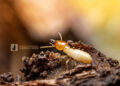
Subterranean Termite Treatment Cost: A Forensic Breakdown of Asset Liability
Strategic mitigation of subterranean termites is no longer a mere maintenance line item; it is a critical calculus in preserving structural...
Strategic mitigation of subterranean termites is no longer a mere maintenance line item; it is a critical calculus in preserving structural...
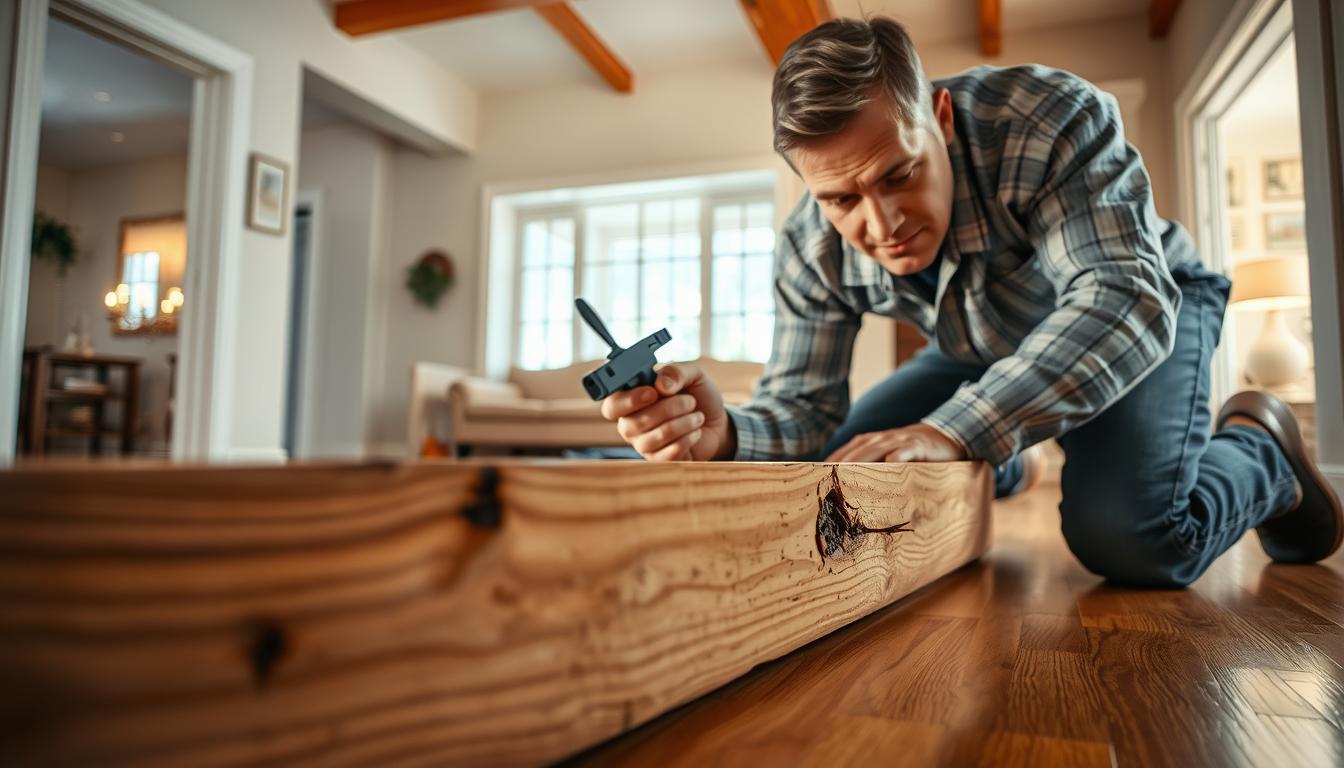
Every 60 seconds, wood-destroying pests silently consume 2.3 cubic feet of wood in the U.S.—enough to collapse a roof beam...

Did you know termites cause over $5 billion in property damage annually in the U.S. alone? These silent destroyers work...

Every year, silent invaders cause over $5 billion in property damage across the United States—with nearly 600,000 homes affected. What’s...


The landscape of the Professional Termite Inspection has undergone a radical transformation, shifting from basic visual assessments to comprehensive Forensic Structural Audits. In 2026, the standard “flashlight and screwdriver” approach is no longer sufficient to satisfy the risk-mitigation requirements of modern insurers or the stringent due diligence of global real estate markets. A high-authority inspection now utilizes a multi-layered diagnostic stack, including Infrared Thermography, Electronic Odor Detection, and Acoustic Emission Analysis. These non-invasive technologies allow inspectors to penetrate the “invisible” zones of a structure—such as wall voids, sub-flooring, and attic eaves—where Wood-Destroying Organisms (WDO) thrive undetected. For the property owner, this data-centric approach provides a definitive Structural Integrity Map, moving beyond mere presence/absence detection into the realm of predictive damage modeling.
In the context of the 2026 real estate market, the WDO Report (specifically the updated NPMA-33 standards) has become the most scrutinized document in the closing process. As climate-driven termite migration expands into previously “safe” northern latitudes, a certified Termite Clearance is often a non-negotiable prerequisite for mortgage approval and title insurance. These inspections are no longer just about finding bugs; they are about Compliance and Liability Management. A failure to identify a latent infestation can result in massive litigation for “undisclosed structural defects.” Consequently, high-authority platforms like TermiteHQ provide the necessary transparency, educating stakeholders on how to interpret technical findings, from moisture-conducive conditions to the specific evidence of past remedial treatments. This level of investigative journalism ensures that both buyers and sellers can navigate the transaction with an Information Advantage.
The integration of Drone-Assisted Termite Inspection and AI-driven image recognition has further refined the accuracy of roof-line and high-structure assessments. By deploying specialized UAVs equipped with multi-spectral cameras, inspectors can now identify the subtle warping of fascia boards or the presence of Drywood Termite kick-out holes in areas previously inaccessible without expensive scaffolding. This tech-forward methodology is particularly crucial for commercial assets and historic timber-frame residences where traditional access is restricted. At TermiteHQ, we champion these Advanced Diagnostic Protocols, emphasizing that a 2026 inspection is an investment in Biological Risk Mitigation. By identifying the intersection of high humidity, soil-to-wood contact, and subterranean activity through Moisture Mapping, we empower property owners to implement targeted preventative measures before a colony can establish a destructive foothold. This is the future of structural preservation: a blend of entomological expertise and cutting-edge digital forensics.
Input your search keywords and press Enter.


