





Termites might be tiny, but they pose a significant threat to Omaha homes. Our humid summers and cold winters create ideal conditions for these destructive pests to thrive. Each year, termites cause millions of dollars in property damage across Nebraska, with many homeowners unaware of an infestation until substantial harm has occurred. Understanding the unique challenges of termites in Omaha NE is your first line of defense in protecting your most valuable investment.
Common Termite Species in Omaha
Contents
- 1 Common Termite Species in Omaha
- 2 Signs of Termite Infestation in Omaha Homes
- 3 Termite Prevention Tips for Omaha Homeowners
- 4 Termite Treatment Options in Omaha
- 5 Omaha and Nebraska Termite Regulations
- 6 Omaha Termite Resources
- 7 The Cost of Ignoring Termites in Omaha
- 8 Seasonal Termite Concerns in Omaha
- 9 Protecting Your Omaha Home from Termites
Eastern subterranean termites are the most common species in Omaha
Omaha homeowners primarily deal with two types of termites, each with distinct behaviors and treatment requirements. Understanding which species you’re facing is crucial for effective termite control.
Eastern Subterranean Termites
The most prevalent termite species in Omaha, these pests live in underground colonies and build distinctive mud tubes to access wood sources. They thrive in our region’s clay-heavy soils and can establish massive colonies containing millions of individuals.
Eastern subterranean termites are particularly active during spring and early summer in Omaha, when swarmers (winged reproductive termites) emerge to establish new colonies. A single colony can consume several pounds of wood per day, making them especially destructive.
Drywood Termites
Less common but still present in Omaha, drywood termites don’t require soil contact and can infest dry wood directly. They’re often introduced through infested furniture or building materials and can survive Nebraska’s winters in heated structures.
Unlike their subterranean cousins, drywood termites create smaller colonies but can be harder to detect since they don’t build mud tubes. They leave behind distinctive pellet-shaped droppings (frass) that resemble sawdust or coffee grounds.
Signs of Termite Infestation in Omaha Homes
Early detection is crucial when dealing with termites in Omaha NE. Being familiar with these warning signs can help you identify an infestation before extensive damage occurs.
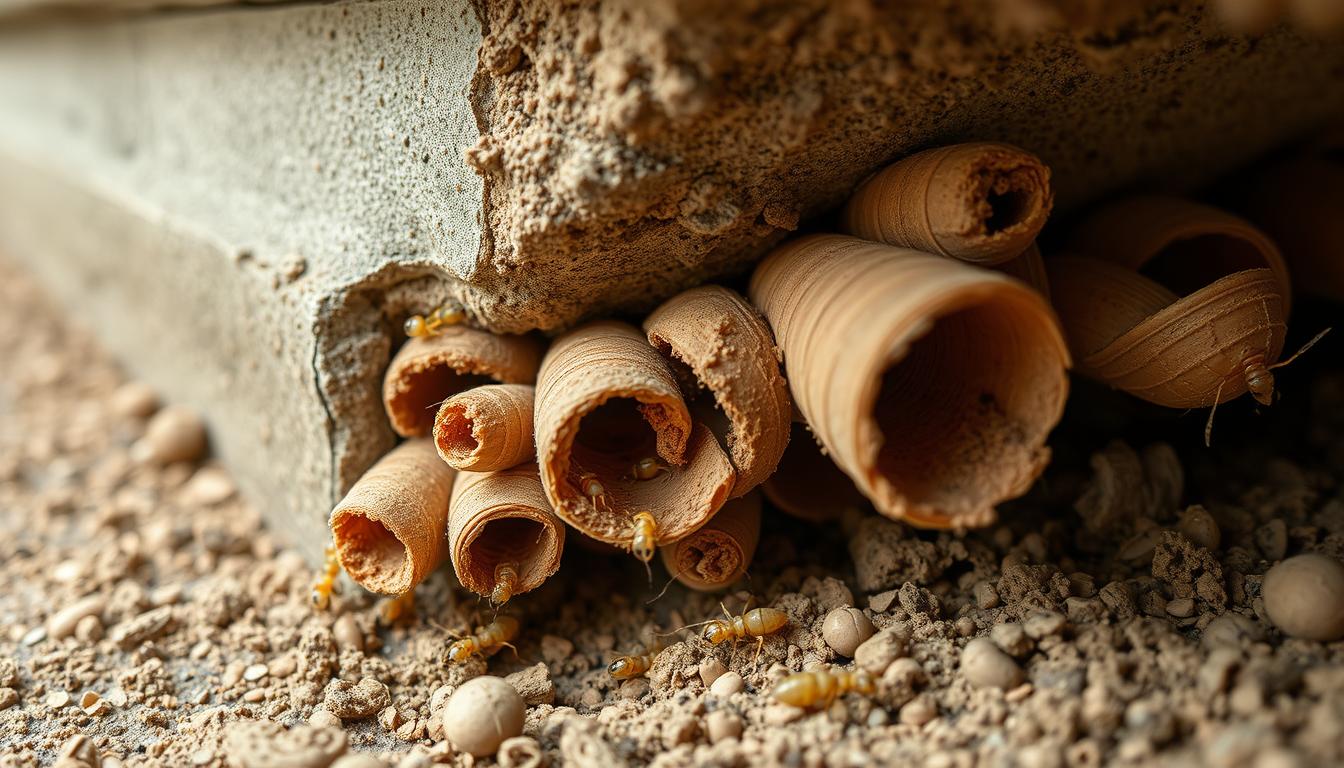
Mud tubes along foundations are a telltale sign of subterranean termites
Noticed These Signs? Don’t Wait!
Termite damage worsens exponentially over time. Our Omaha termite specialists can conduct a thorough inspection and recommend appropriate treatment options.
Termite Prevention Tips for Omaha Homeowners
Nebraska’s climate creates unique challenges for termite prevention. These practical steps can significantly reduce your risk of infestation.
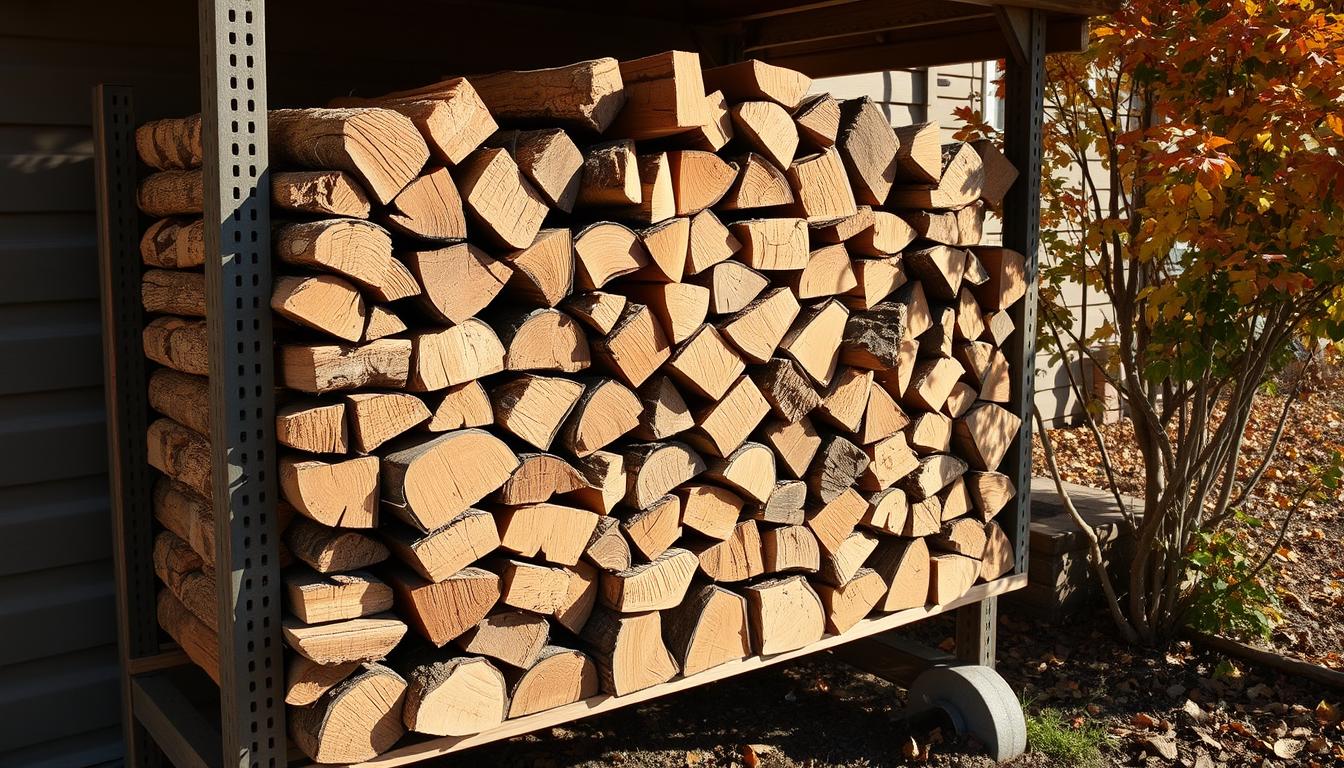
Keep firewood elevated and away from your home’s foundation
Moisture Control
Wood Management
Home Maintenance
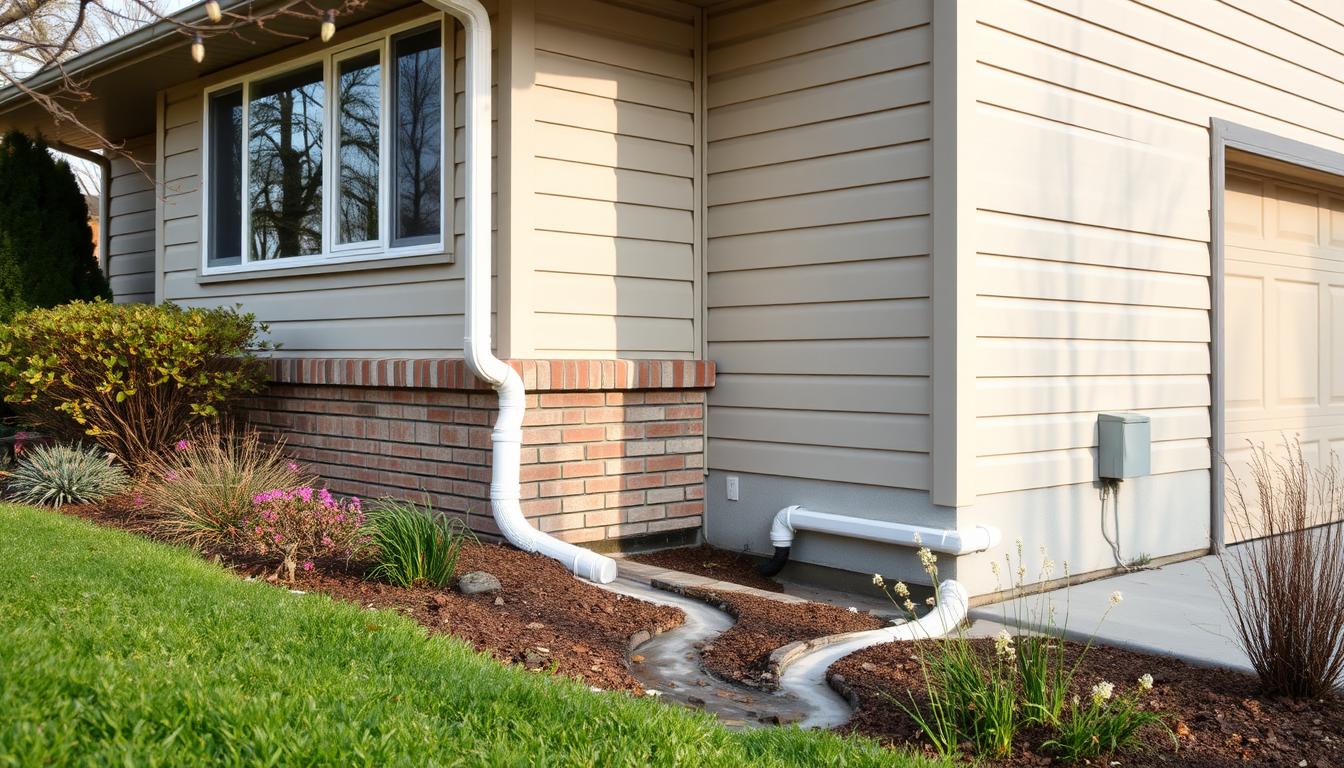
Proper drainage helps prevent the moisture that attracts termites
Termite Treatment Options in Omaha
When it comes to eliminating termites in Omaha NE, homeowners have several effective options. The best approach depends on your specific situation, infestation severity, and property characteristics.
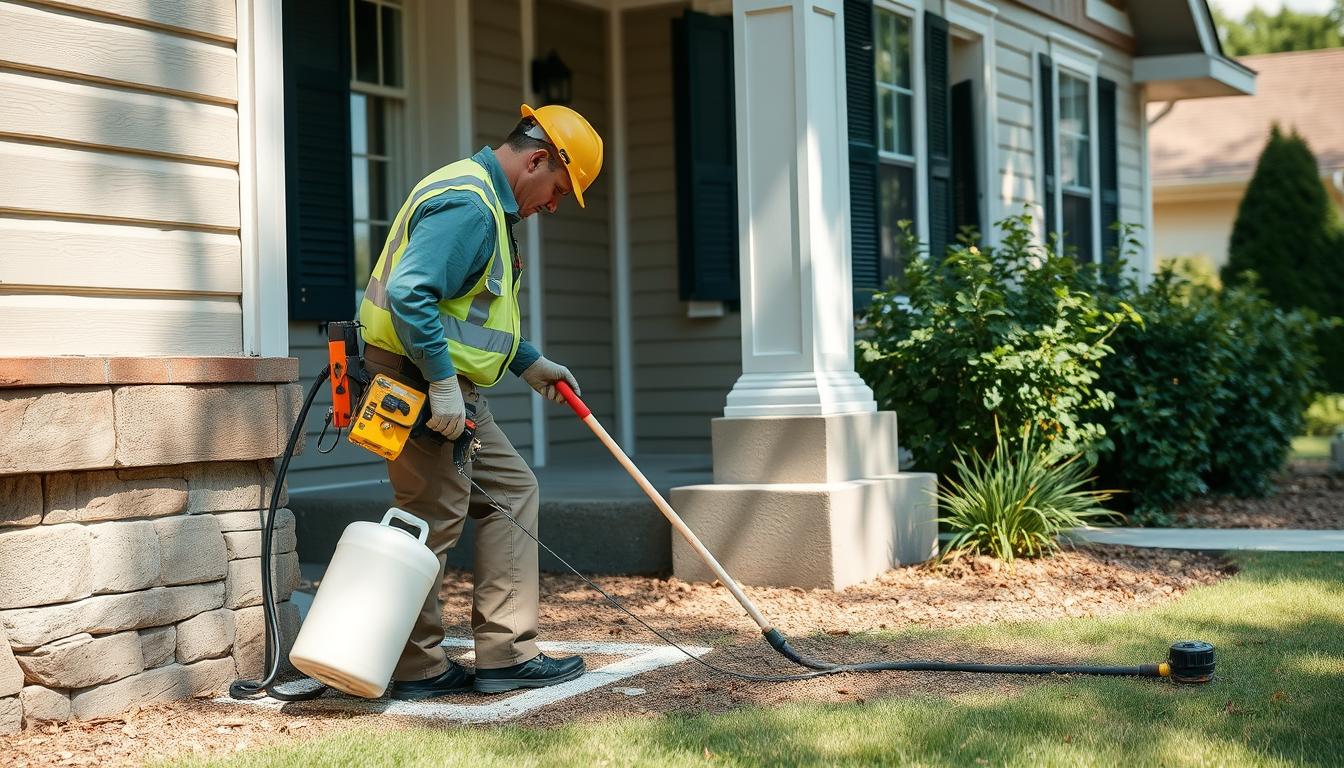
Professional termite treatments provide comprehensive protection
Professional Treatments
DIY Approaches
While DIY methods may seem cost-effective initially, they rarely provide the comprehensive protection needed for Omaha homes. Professional termite control services offer thorough treatment, ongoing monitoring, and warranties that give homeowners peace of mind.

Termite bait stations provide ongoing protection and monitoring
Omaha and Nebraska Termite Regulations
Understanding local regulations regarding termite control and real estate transactions can save Omaha homeowners significant headaches and expenses.
Nebraska Real Estate Transactions
Nebraska law requires sellers to disclose known termite damage or active infestations when selling a property. Many mortgage lenders also require a termite inspection (Wood Destroying Insect Report) before approving financing, particularly for FHA and VA loans.
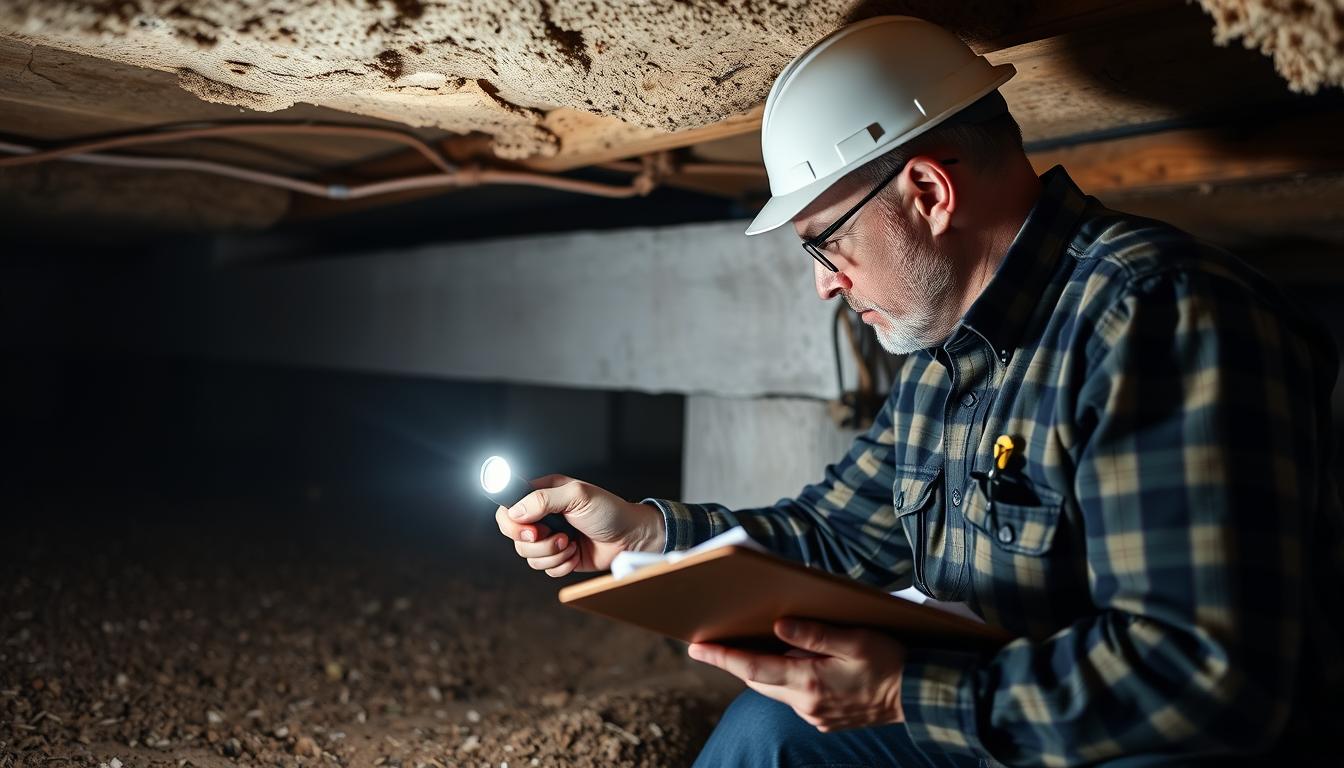
Professional termite inspections are often required for real estate transactions
Are termite treatments required by law in Omaha?
While Nebraska doesn’t mandate regular termite treatments for existing homes, many municipalities have building codes requiring pre-construction termite protection for new buildings. Additionally, if termites have caused structural damage that violates housing codes, repairs and treatment may be legally required.
Who can perform termite treatments in Nebraska?
Nebraska requires all pest control operators to be licensed through the Department of Agriculture. Technicians must complete specific training and certification to apply termiticides. Always verify that your termite control provider holds current Nebraska licensing and proper insurance.
Omaha Termite Resources
Omaha homeowners have access to several valuable resources for termite information, inspection, and treatment.
The UNL Extension offers valuable termite information for Omaha residents
Educational Resources
Inspection Programs
Treatment Assistance
Omaha, Nebraska – Where our termite control experts serve
The Cost of Ignoring Termites in Omaha
Delaying termite treatment can lead to devastating consequences for Omaha homeowners. Understanding the potential costs helps emphasize the importance of early intervention.
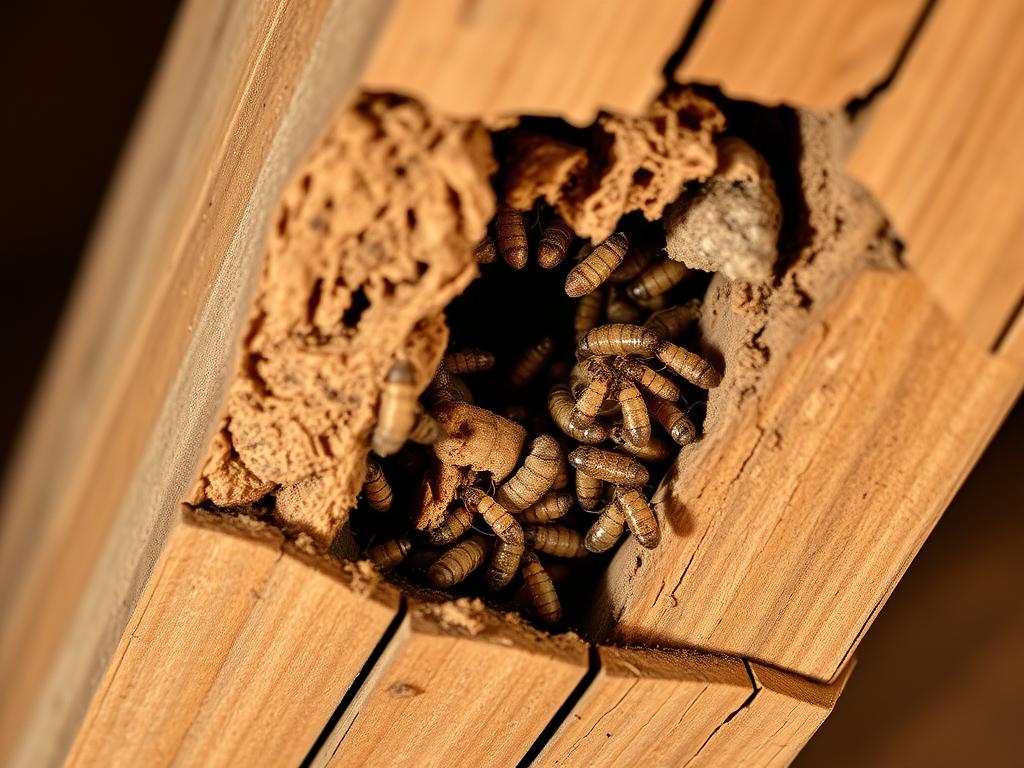
Severe termite damage can compromise structural integrity
| Damage Type | Average Repair Cost in Omaha | Potential Consequences |
| Cosmetic Wood Damage | $500 – $2,000 | Visual imperfections, reduced property value |
| Flooring/Baseboard Damage | $2,000 – $5,000 | Uneven floors, visible damage, potential trip hazards |
| Window/Door Frame Damage | $1,500 – $4,000 | Operational issues, energy inefficiency, water intrusion |
| Structural Support Damage | $5,000 – $25,000+ | Compromised structural integrity, safety hazards |
| Extensive Structural Damage | $25,000 – $100,000+ | Major renovations required, potential condemnation |
Did You Know?
Most homeowners insurance policies DO NOT cover termite damage, as it’s considered preventable through proper maintenance. This means repair costs typically come entirely out of pocket.
Seasonal Termite Concerns in Omaha
Nebraska’s distinct seasons create a year-round termite calendar that Omaha homeowners should understand.
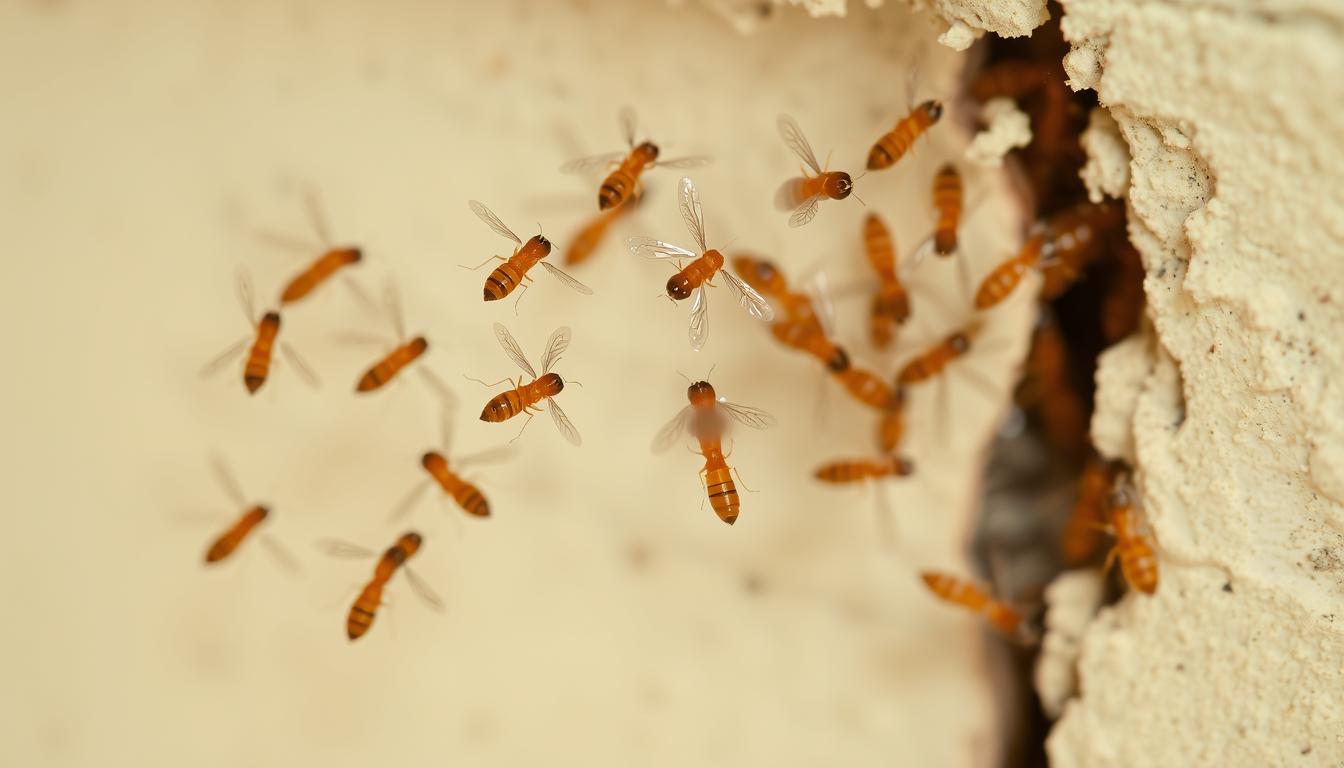
Spring termite swarms are common in Omaha from March through May
Spring (March-May)
Peak Activity
Summer (June-August)
High Activity
Fall (September-November)
High Activity
Winter (December-February)
Reduced Activity
While termite activity slows during Omaha’s cold winters, it never completely stops. Subterranean termites simply retreat deeper underground, while termites inside heated structures remain active year-round. This makes ongoing vigilance essential regardless of season.
Protecting Your Omaha Home from Termites
Termites in Omaha NE present a serious but manageable threat to homeowners. By understanding the local species, recognizing early warning signs, implementing preventative measures, and seeking professional help when needed, you can protect your property from these destructive pests.
Remember that early detection and professional treatment are your best defenses. The cost of prevention is always lower than the cost of repairs after significant termite damage has occurred.
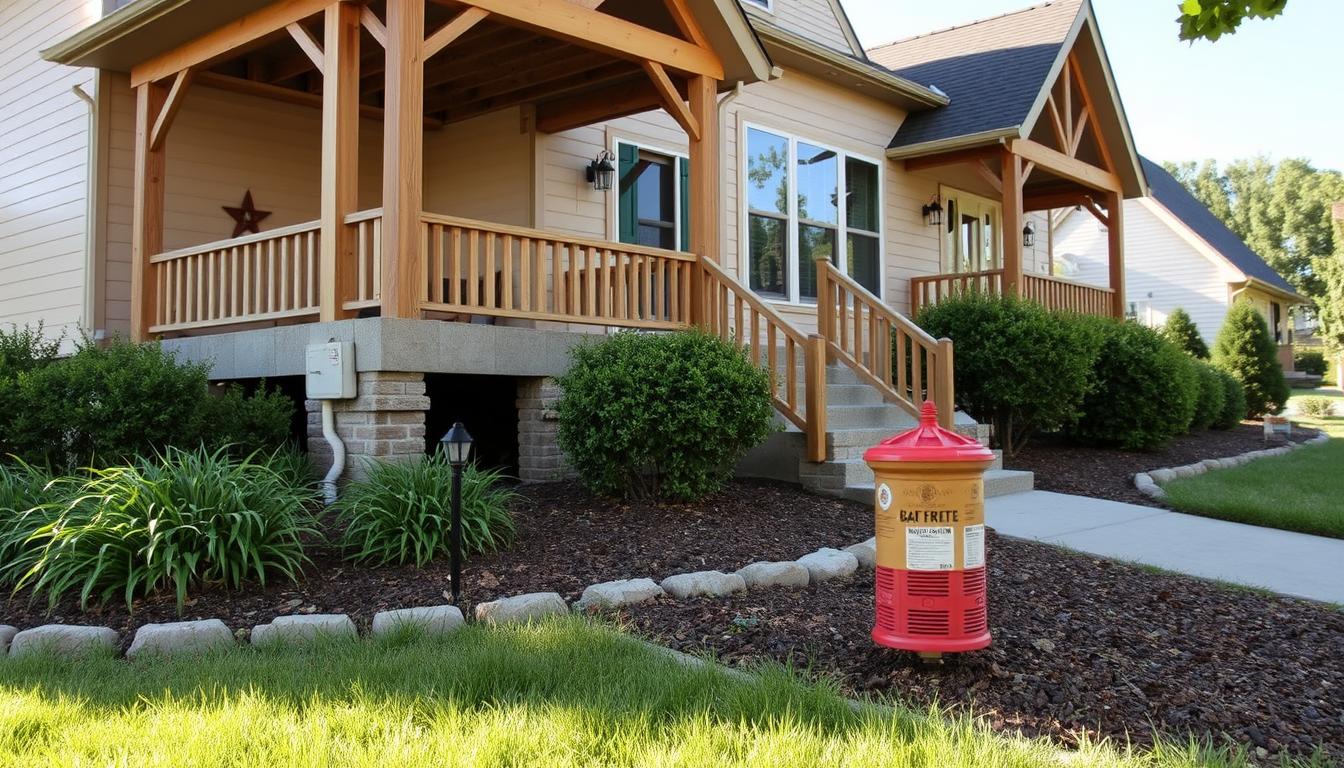
Professional termite prevention provides peace of mind for Omaha homeowners
Protect Your Omaha Home Today
Our local termite specialists understand the unique challenges of termites in Omaha NE. Contact us today for a free, no-obligation termite inspection and personalized protection plan.
Schedule Your Free Termite Inspection
Or call us directly:
How often should Omaha homeowners get termite inspections?
Annual inspections are recommended for most Omaha homes. However, properties with previous termite issues or those in high-risk areas (near wooded lots or with significant wood-soil contact) may benefit from semi-annual inspections.
What’s the average cost of professional termite treatment in Omaha?
Treatment costs vary based on home size, infestation severity, and treatment method. Typical costs range from $500-$1,500 for spot treatments to $1,500-$3,000 for whole-home treatments. Many companies offer payment plans and annual protection programs with warranties.
Are termite treatments safe for families and pets?
Modern termite treatments are designed with safety in mind. Professional applicators use targeted approaches that minimize exposure to humans and pets. Many companies now offer eco-friendly options that provide effective control with reduced environmental impact. Always discuss safety concerns with your termite control provider.


