
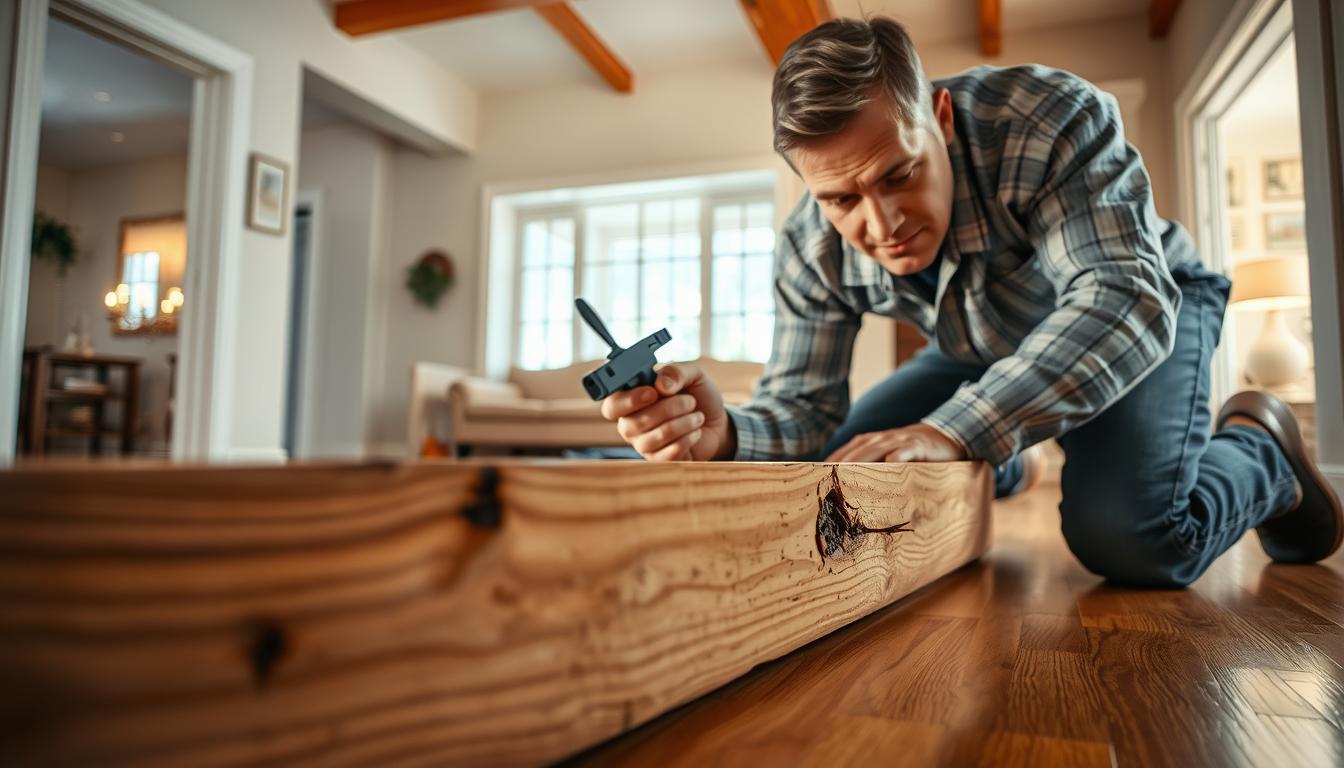



Your neighbor just paid $12,000 fixing termite damage.
Now you’re checking your own walls, floorboards, and windows.
What if it’s already too late?
Here’s the deal—termites aren’t just a nuisance. They’re silent home wreckers. And in places like Florida, Texas, California, or even up north, termite activity in 2025 is on the rise thanks to warmer winters and wetter springs.
What most homeowners don’t know?
Termite barriers—not sprays, not baits—are your first and strongest line of defense. But not all barriers are built the same. Some need refills. Others last for decades. Some only work if installed before you build. And yes, some just don’t work at all if termites are already in.
This guide breaks it all down.
You’ll learn:
-
The three types of termite barriers that actually work in 2025
-
Which one protects your home long-term
-
How to compare chemical, liquid, and physical solutions
-
Which products top the list—and why
If you’re serious about termite protection, this is the guide you bookmark and keep.
What Are Termite Barriers?
Contents
- 1 What Are Termite Barriers?
- 2 Three Main Termite Barrier Types in 2025
- 3 🧪 Termidor HE vs Taurus SC: Which Liquid Barrier Works Best?
- 4 🌎 Barrier Performance by Soil Type and Climate
- 5 🔁 Liquid vs. Physical Barriers: Pros, Cons & Real-World Use Cases
- 6 👥 Real Homeowner Stories
- 7 🛠️ How Are Termite Barriers Installed? A Step-by-Step Breakdown
- 8 🛒 Top-Rated Termite Barrier Products in 2025
- 9 ⏱️ Barrier Maintenance & Re-Treatment Schedule
- 10 📋 Homeowner Checklist: Choosing the Right Termite Barrier
- 11 💰 How Much Do Termite Barriers Cost in the U.S.?
- 12 ⚠️ Mistakes Homeowners Make When Installing Barriers
- 13 ❓ People Also Ask: Termite Barrier FAQs
- 14 🧠 Expert Tips and Homeowner Success Stories
- 15 🌎 Termite Activity by Region: Do You Need a Barrier?
- 16 ✅ Final Checklist for Homeowners
A termite barrier is a preventative system placed under or around your home that either kills termites or blocks them from getting in.
It’s not a one-size-fits-all solution. Some are physical materials. Some use chemical soil treatments. Others are hybrid systems you recharge every few years.
But they all do one thing: create a zone termites can’t cross.
Why They Matter (More Than Ever)
-
Termites are now active in 49 states.
-
Most homeowners insurance does not cover termite damage.
-
Many infestations go unnoticed until thousands of dollars in structural damage is done.
And here’s the kicker: a lot of treatments only kill termites that have already made it inside.
Barriers, when installed correctly, stop termites before they get in.
They’re proactive—not reactive.
Three Main Termite Barrier Types in 2025
Let’s unpack what’s working in the field right now.
1. Liquid Chemical Barriers
This is the most common professional-grade solution for homes—especially in termite-prone states.
How It Works
A termiticide is applied to the soil around the foundation.
It binds to the soil and creates an invisible kill zone.
When termites pass through, they pick up the chemical and carry it back to the colony.
The result? Colony elimination over days or weeks.
Top Liquid Products in 2025
-
Termidor® HE – High-efficiency termiticide, deeper and longer-lasting
-
Taurus SC – Generic version, more affordable with similar effects
-
Altriset® – Reduced-risk botanical compound approved by the EPA
Pros
-
Proven to kill the entire colony
-
Non-repellent—termites don’t avoid it
-
Long-lasting (5 to 10 years)
Cons
-
Needs a professional for full trench application
-
May require drilling in concrete
-
Can be pricey up front
2. Physical Termite Barriers
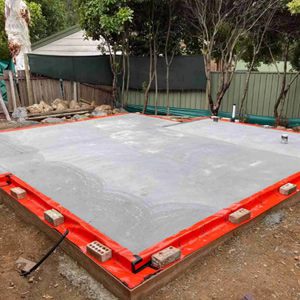
Installed during construction, these barriers use materials termites physically cannot chew or crawl through.
How It Works
These systems are made of fine stainless steel mesh, crushed granite, or rigid sheeting that termites can’t penetrate or bypass.
Common Brands
-
Termimesh® – Stainless steel, high-density mesh
-
Granitgard® – Granular stone particles
Pros
-
Chemical-free
-
Lasts the life of the building
-
Little to no maintenance
Cons
-
Can’t be added after home is built
-
Higher initial install cost
-
Not effective if improperly installed
3. Reticulation Systems
These are pressurized refillable systems that distribute liquid termiticide through underground piping.
How It Works
A grid of pipes is installed before pouring the foundation or during renovation.
Technicians inject termiticide through the system every few years.
It refreshes the protective barrier without needing to dig or drill again.
Pros
-
Easy to refill
-
Less invasive maintenance
-
Compatible with eco-friendly termiticides
Cons
-
Only feasible for new builds or major remodels
-
Still relies on chemical treatments
-
Requires scheduled re-application
🧪 Termidor HE vs Taurus SC: Which Liquid Barrier Works Best?
Homeowners often get stuck comparing two titans of termite control—Termidor HE and Taurus SC.
Both are non-repellent liquid termiticides.
Both are powered by Fipronil, a chemical known to wipe out termite colonies fast.
But they’re not identical.
⚖️ Side-by-Side Breakdown
| Feature | Termidor HE | Taurus SC |
|---|---|---|
| Active Ingredient | 8.7% Fipronil | 9.1% Fipronil |
| Application Depth | Penetrates deeper with less water | Requires full trenching |
| Professional Only | Yes | Available for licensed use only |
| Longevity | Up to 10 years | Up to 10 years |
| Price | $$$$ | $$ |
Verdict:
-
Go with Termidor HE if you want a high-efficiency barrier installed professionally with less soil disruption.
-
Choose Taurus SC if you’re working with a smaller budget but still want high-grade results.
Want peace of mind? Both eliminate termite colonies—but Termidor HE gets there faster with less mess.
🌎 Barrier Performance by Soil Type and Climate
Believe it or not, termite barrier performance depends a lot on where you live and what’s under your feet.
Here’s how it breaks down:
✅ Sandy Soils (Florida, Coastal SC, Gulf States)
-
Best Match: Liquid chemical barriers like Termidor or Taurus
-
Why: Sand drains fast; termiticides bond well and move through micro spaces
✅ Clay Soils (Texas, Oklahoma, Georgia)
-
Best Match: Reticulation systems + repeated treatment
-
Why: Clay holds moisture; hard for liquid termiticides to penetrate deep
✅ Rocky Soils (Arizona, Nevada, High Elevation Areas)
-
Best Match: Physical termite barriers or bait systems
-
Why: Uneven application of chemicals makes liquid treatments less effective
💡 Tip from a Pro Installer:
“You can have the best product on the market, but if the soil isn’t prepared right or the trench is too shallow, termites will still find a way in.”
— Jake L., Certified Termite Inspector (Phoenix, AZ)
🔁 Liquid vs. Physical Barriers: Pros, Cons & Real-World Use Cases
If you’re choosing between chemical and physical barriers, here’s what to weigh.
🧪 Liquid Termiticides
-
Great for existing homes
-
Eradicates active colonies
-
Can be re-treated without construction changes
But they wear off—most need reapplication every 5 to 10 years.
🧱 Physical Barriers
-
Zero chemicals
-
Permanent if properly installed
-
Ideal for new builds
But they don’t kill existing termites and require pre-construction access.
👥 Real Homeowner Stories
📍 Mark – Tampa, FL
“We used Termidor HE after we spotted winged termites in the kitchen. No activity since. Expensive up front, but worth every penny.”
📍 Lisa – Sacramento, CA
“Had Granitgard installed during our remodel. Love that it’s chemical-free. But it wouldn’t have helped if we already had termites inside.”
📍 Aaron – Houston, TX
“Our reticulation system makes re-treating super easy. Every 3 years they pump in fresh termiticide without digging up the yard.”
🧭 Quick Guide: What Works Best Where?
| Region | Best Barrier Type | Why It Works |
|---|---|---|
| Gulf States | Termidor / Taurus | Handles high moisture and sandy soil |
| Southwest Desert | Physical / Baits | Avoids chemical runoff and trenching issues |
| Midwest & Northeast | Chemical + Reticulation | Seasonal re-treatments offer long-term safety |
| Pacific Coast | Physical + Chemical combo | Balances eco-concerns and soil shifts |
🛠️ How Are Termite Barriers Installed? A Step-by-Step Breakdown
Installing a termite barrier isn’t just about spraying chemicals or laying mesh—it’s a strategic operation.
Here’s how professionals do it, step by step.
🔧 Chemical Termite Barrier Installation (Liquid)
-
Inspection
-
A licensed pest pro surveys your home’s perimeter.
-
They identify active termite zones, moisture pockets, and entry points.
-
-
Trenching
-
Soil is dug 6 to 12 inches deep around foundations.
-
In slab homes, they may drill through concrete.
-
-
Termiticide Application
-
A non-repellent liquid like Termidor HE or Taurus SC is injected.
-
The soil absorbs it, creating an invisible kill zone.
-
-
Backfilling
-
Soil is replaced carefully to lock the treatment underground.
-
-
Monitoring Setup
-
Some pros install visual markers or electronic detection monitors post-treatment.
-
🧱 Physical Termite Barrier Installation
-
Pre-Construction Planning
-
Usually installed during the slab pour stage.
-
Needs full access to footings, plumbing, and foundational areas.
-
-
Barrier Placement
-
Stainless steel mesh or crushed rock is installed around the slab and piers.
-
These physically block termites from getting through.
-
-
Seal the Edges
-
All seams and gaps are sealed with termite-grade adhesive or sealant.
-
Think of it like caulking your house shut from below.
-
🔄 Reticulation System Setup
Reticulation isn’t a product. It’s a delivery system for termiticides.
-
Piping is laid beneath slabs or along perimeters.
-
Termiticide is pumped through these lines every few years.
-
This means no trenching, no drilling, and no yard damage during re-treatment.
🛒 Top-Rated Termite Barrier Products in 2025
Let’s break down which products pros trust this year:
🥇 Termidor HE
-
Best for: Long-lasting chemical treatment
-
Pros: Deep penetration, fast colony kill, low disturbance
-
Cons: Requires licensed pro, premium pricing
🥈 Taurus SC
-
Best for: DIY-savvy homeowners with pro oversight
-
Pros: Cost-effective, solid kill rate
-
Cons: Needs full trench, not available in all states
🥉 Sentricon Bait System (Complementary to barriers)
-
Best for: Urban and eco-sensitive areas
-
Pros: Monitors + eliminates hidden colonies
-
Cons: Slower kill rate, requires regular monitoring
🧱 Granitgard & HomeGuard Mesh
-
Best for: New home builds
-
Pros: Chemical-free, durable for decades
-
Cons: Not effective on existing infestations
⏱️ Barrier Maintenance & Re-Treatment Schedule
Your barrier isn’t “set it and forget it.”
Here’s what to expect for upkeep:
💧 Liquid Chemical Barriers
-
Inspection: Every 12 months
-
Reapplication: Every 5–10 years (depending on climate and soil)
-
Cost: $800–$2,000 per treatment cycle
🧱 Physical Barriers
-
Inspection: Every 24–36 months
-
Damage Check: After renovations, plumbing, or major storms
-
Cost: Minimal unless physical breach occurs
🔄 Reticulation Systems
-
Re-treat Termiticide: Every 3–5 years
-
Flush & Test Lines: Every visit
-
Cost: $400–$1,000 per refill depending on system size
📋 Homeowner Checklist: Choosing the Right Termite Barrier
Want to get this right the first time?
Use this checklist before deciding.
✅ Live in a sandy, wet region → Go liquid + optional bait
✅ Remodeling or rebuilding → Add physical barrier now
✅ Existing termites spotted → Prioritize termiticide now
✅ Budget tight → Start with Taurus SC or bait-only
✅ Hate chemicals → Ask about Granitgard or mesh systems
✅ Want future-proof protection → Consider adding reticulation system
💰 How Much Do Termite Barriers Cost in the U.S.?
Termite barrier pricing isn’t one-size-fits-all. It swings based on location, size of property, and product type.
Let’s break it down:
🧾 Chemical Barrier Costs
| Property Size | Termidor HE | Taurus SC | Reticulation Add-On |
|---|---|---|---|
| Under 1,500 sq. ft. | $800 – $1,400 | $600 – $1,000 | +$400 – $800 |
| 1,500–2,500 sq. ft. | $1,500 – $2,200 | $1,000 – $1,800 | +$800 – $1,200 |
| Over 2,500 sq. ft. | $2,400+ | $1,800+ | +$1,200 – $2,000 |
-
Annual inspections: $100–$250
-
Re-treatment every 5–10 years
-
Reticulation makes future treatments easier and cheaper.
🧱 Physical Barrier Costs
| Barrier Type | Typical Cost (New Construction) |
|---|---|
| Granitgard (crushed rock) | $2,000 – $4,000 |
| Stainless Steel Mesh (HomeGuard) | $3,000 – $7,000 |
| Combo Systems | $6,000 – $10,000+ |
Note: Prices vary heavily by location, labor, and house layout.
⚠️ Mistakes Homeowners Make When Installing Barriers
Don’t throw thousands of dollars down the drain. Avoid these classic blunders:
❌ Going Full DIY Without Knowing Code
-
Trenching too shallow
-
Using repellent chemicals (termites just dodge them)
-
Overdosing and contaminating the yard
❌ Not Reading the Fine Print
-
Some “budget” pest pros use diluted products
-
Ask: Is it Termidor-certified?
-
Ensure warranties cover 5+ years
❌ Forgetting the Crawlspace
-
30% of infestations sneak in through unprotected sub-floors
-
Always treat under decks, porches, and extensions
❌ Skipping Annual Inspections
-
Barriers fail silently
-
By the time you see damage, it’s too late
❓ People Also Ask: Termite Barrier FAQs
How long do termite barriers last?
Chemical barriers last 5 to 10 years, while physical barriers like mesh or stone can protect for 20+ years if undisturbed.
Are termite barriers worth the cost?
Yes. Considering that the average termite repair costs over $3,000, a one-time $1,500 barrier is money well spent.
Can I install a termite barrier myself?
In some states, yes—but most products like Termidor require professional licenses. DIY is risky unless you know your building codes and pest laws.
Do termite barriers kill termites?
Chemical barriers like Termidor and Taurus SC don’t just repel—they kill through contact and colony transfer, wiping out entire nests.
What’s better—barrier or bait?
Use both for the best defense. Barriers block entry, baits kill hidden colonies. It’s a belt-and-suspenders approach.
🧠 Expert Tips and Homeowner Success Stories
Protecting your home isn’t just about picking the best product — it’s also about smart strategy.
Here’s how real homeowners nailed it:
🏠 Florida Couple Prevents $15K in Damage
After spotting mud tubes in their garage, they chose a Termidor trench barrier. Their pest pro used a reticulation system, allowing easy re-application.
Five years later? No infestations. No repairs. Just peace of mind.
🏡 Southern California Builder Uses Mesh + Chemical Combo
Custom homes in termite-heavy Orange County now come with:
-
HomeGuard stainless mesh at slab joints
-
Taurus SC trenching around perimeters
Result: Warranty claims dropped by over 80% in five years.
👷 Pro Tips from Licensed Inspectors
-
Always ask for a soil pre-treatment report
-
Keep garden beds 8–12 inches away from exterior walls
-
Don’t allow mulch to touch siding — termites love moist access paths
-
Annual inspections keep your warranty valid and detect breaches early
🌎 Termite Activity by Region: Do You Need a Barrier?
| Region | Termite Risk | Recommended Protection |
|---|---|---|
| Southeast (FL, GA, SC) | Extreme | Chemical + Bait + Annual Inspection |
| Southwest (AZ, NM, TX) | High | Non-repellent Chemical Barrier |
| Pacific Coast (CA, WA, OR) | Moderate–High | Mesh + Spot Treatments |
| Midwest & Northeast | Moderate | Bait Systems + Inspections |
👉 For Oahu and other Hawaiian islands, the risk is extremely high year-round — barriers and baiting are essential.
✅ Final Checklist for Homeowners
Before you commit to a termite barrier system:
-
Got a professional inspection?
-
Checked your local termite species?
-
Compared chemical vs. physical options?
-
Reviewed warranty coverage?
-
Scheduled regular follow-ups?
If you answered “no” to any of these, circle back — termites won’t wait.


