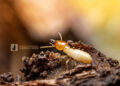
Subterranean Termite Treatment Cost: A Forensic Breakdown of Asset Liability
Strategic mitigation of subterranean termites is no longer a mere maintenance line item; it is a critical calculus in preserving structural...
Strategic mitigation of subterranean termites is no longer a mere maintenance line item; it is a critical calculus in preserving structural...
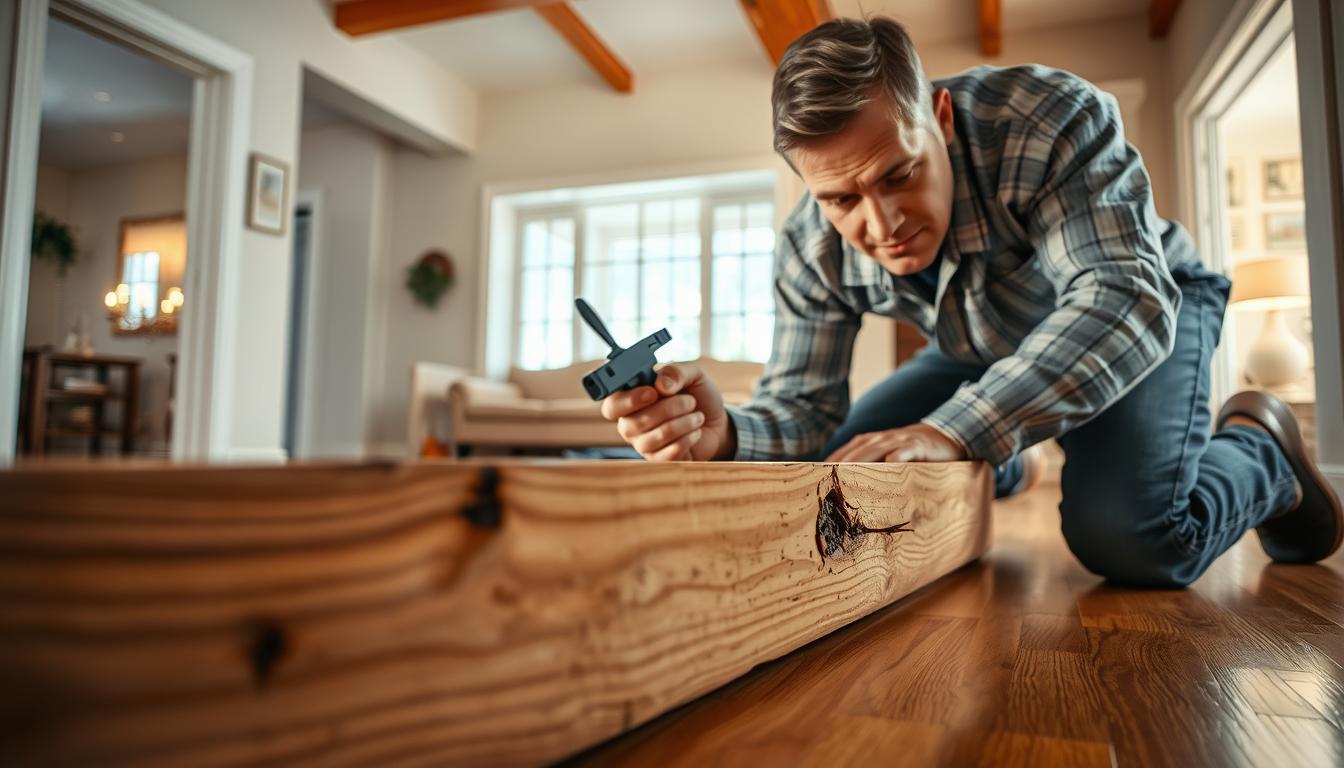
Every 60 seconds, wood-destroying pests silently consume 2.3 cubic feet of wood in the U.S.—enough to collapse a roof beam...

Did you know termites cause over $5 billion in property damage annually in the U.S. alone? These silent destroyers work...

Every year, silent invaders cause over $5 billion in property damage across the United States—with nearly 600,000 homes affected. What’s...


Achieving a precise understanding of the various Types of Termites is the first step in establishing a high-authority Structural Defense Strategy. In the 2026 biological landscape, the classification of wood-destroying organisms has moved beyond simple geography. We now categorize threats based on Taxonomic Pressure and colonial consumption rates. The three primary clades—Subterranean, Drywood, and Dampwood—each possess unique physiological adaptations that dictate their foraging range and destructive potential. For instance, species within the Reticulitermes genus (Eastern Subterranean) require constant contact with soil moisture, utilizing a complex social caste system to forage hundreds of feet from their central nest. In contrast, the Formosan Subterranean Termite (Coptotermes formosanus), often dubbed the “Super Termite,” creates massive aerial nests (cartons) that allow for high-density infestations within high-rise structures, bypassing traditional soil-based barriers entirely.
The forensic distinction between species is not merely academic; it is a financial necessity for Asset Preservation. Drywood Termites, such as Cryptotermes brevis, represent a distinct threat profile because they do not require soil contact or supplemental moisture. These colonies live entirely within the seasoned timber of furniture, structural beams, and flooring, deriving metabolic water through the efficient breakdown of cellulose. Because their colonies are smaller and more localized, they often elude standard subterranean baiting systems. Identifying these pests requires a focus on Morphological Markers, such as the iridescent wing venation of their alates or the hexagonal geometry of their fecal pellets. By 2026, the arrival of invasive tropical species in temperate urban corridors has further complicated this taxonomy, necessitating the use of DNA Barcoding in high-stakes commercial inspections to ensure the treatment matches the specific biological threat.
Furthermore, the environmental niche of Dampwood Termites (typically of the Zootermopsis or Neotermes genera) highlights the intersection of entomology and building science. These species are primary indicators of Structural Moisture Failure, as they exclusively infest timber with high moisture content or wood that is in direct contact with leaking infrastructure. At TermiteHQ, we treat Invasive Termite Taxonomy as a dynamic field of study. As climate shifts push the boundaries of the Asian Subterranean Termite further into the Northern Hemisphere, our “Field Analysis” reports provide the real-time data needed to identify these hybrids. By mastering the nuances of species-specific behavior—from the head-banging alarm signals of soldiers to the specific gallery patterns left in the wake of a colony—property owners can deploy Bio-Rational Interventions that are both environmentally responsible and structurally definitive. This is the new gold standard of pest journalism: where scientific rigor meets strategic property protection.
Input your search keywords and press Enter.


