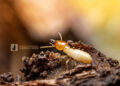
Subterranean Termite Treatment Cost: A Forensic Breakdown of Asset Liability
Strategic mitigation of subterranean termites is no longer a mere maintenance line item; it is a critical calculus in preserving structural...
Strategic mitigation of subterranean termites is no longer a mere maintenance line item; it is a critical calculus in preserving structural...

Every 60 seconds, wood-destroying pests silently consume 2.3 cubic feet of wood in the U.S.—enough to collapse a roof beam...

Did you know termites cause over $5 billion in property damage annually in the U.S. alone? These silent destroyers work...

Every year, silent invaders cause over $5 billion in property damage across the United States—with nearly 600,000 homes affected. What’s...


Early detection of Signs of Termite Infestation has evolved into a sophisticated discipline of Structural Forensics. In the 2026 property market, the “Silent Destroyer” has become more elusive as modern construction utilizes hybrid synthetic materials that can mask traditional damage markers. For the vigilant homeowner or property manager, identifying an intrusion requires a shift from looking for “holes in wood” to analyzing the Forensic Markers left by species such as Reticulitermes flavipes. These markers are often microscopic or hidden within wall voids, manifesting as subtle Thermal Anomalies detectable only through high-resolution infrared scanning. The collective metabolic heat generated by a thriving subterranean colony creates a distinct signature against the ambient temperature of structural lumber. Understanding these biological heat-maps is the first step in a data-driven defense strategy, ensuring that mitigation begins before the load-bearing integrity of the domicile is permanently compromised.
Beyond thermal data, the most common physical evidence remains the presence of Subterranean Mud Tubes. These earthen conduits serve as protected transit high-roads, shielding workers from desiccation and predators as they travel from the moisture-rich soil to the cellulose-rich timber of your home’s frame. In 2026, we categorize these into four distinct types: working tubes, migratory tubes, exploratory tubes, and drop tubes. Each provides a specific narrative about the colony’s maturity and intent. For example, exploratory tubes often appear as fragile, thin lines on concrete foundations, signaling a “scout” phase, whereas thick working tubes indicate a high-volume transit route to a primary food source. Identifying the texture and moisture content of these tubes allows for Taxonomic Clarity, helping to differentiate between active infestations and historical remnants that no longer pose a threat.
Furthermore, the appearance of Termite Frass and Discarded Alate Wings represents a critical “Red Alert” in the pest lifecycle. During the swarming season—which has shifted in 2026 due to volatile climate patterns—reproductive alates emerge to start new colonies. The presence of brittle, iridescent wings on windowsills is a definitive indicator that a mature colony is either inside or in immediate proximity to the structure. Differentiating Drywood Termite Pellets from common sawdust or carpenter ant debris is vital; drywood frass is uniquely hexagonal and uniform, a result of the termite’s specialized rectal anatomy. By applying Acoustic Detection Technology, we can now listen for the “head-banging” rhythmic vibrations of soldier termites responding to structural disturbances. This category provides the investigative framework to interpret these signals, transforming raw observations into an actionable plan for structural preservation and long-term asset security.
Input your search keywords and press Enter.


