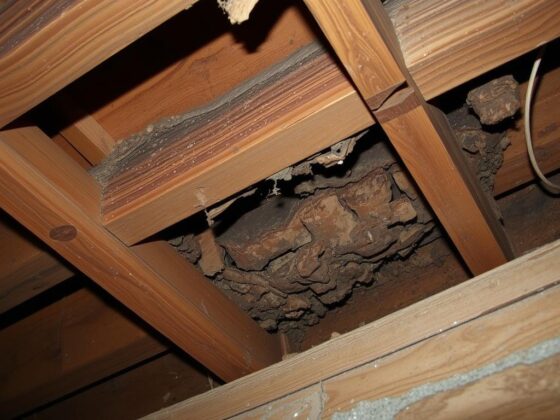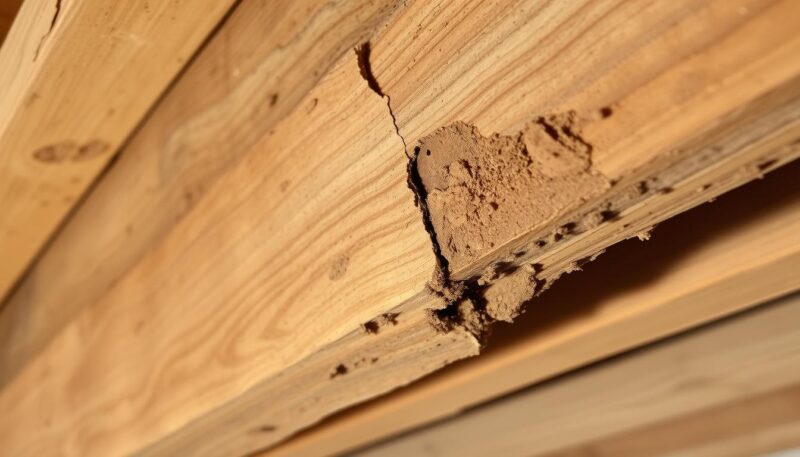
Boise’s distinct seasonal climate creates unique patterns of termite behavior that every homeowner should understand. While Idaho may not top the national charts for termite infestation rates, Boise’s specific weather conditions create perfect opportunities for these destructive pests to damage homes. Understanding the connection between local weather patterns and termite activity is your first line of defense against a potential termite infestation in Boise ID.
The Boise Climate-Termite Connection
Termites are highly sensitive to environmental conditions, with their activity, reproduction, and feeding behaviors all directly influenced by temperature, humidity, and precipitation. Boise’s climate presents a particular set of conditions that affect how and when termites become active threats to local homes.
Temperature Effects
Termites become most active when temperatures consistently stay above 70°F. In Boise, this typically occurs from late spring through early fall. During these warmer months, termite colonies expand rapidly, with workers increasing their feeding activity and reproductive termites preparing for swarming events.
When winter temperatures drop below freezing, subterranean termites—the most common type in Boise—retreat deeper underground where the soil maintains more stable temperatures. While this reduces visible activity, it doesn’t eliminate the threat, as colonies continue to survive and even slowly feed on structures they’ve already infested.
Humidity and Moisture
Despite Boise’s relatively dry climate, with average annual precipitation of just 12 inches, termites still find ways to thrive. They’re drawn to areas with consistent moisture sources, making homes with irrigation systems, leaky pipes, or poor drainage particularly vulnerable.
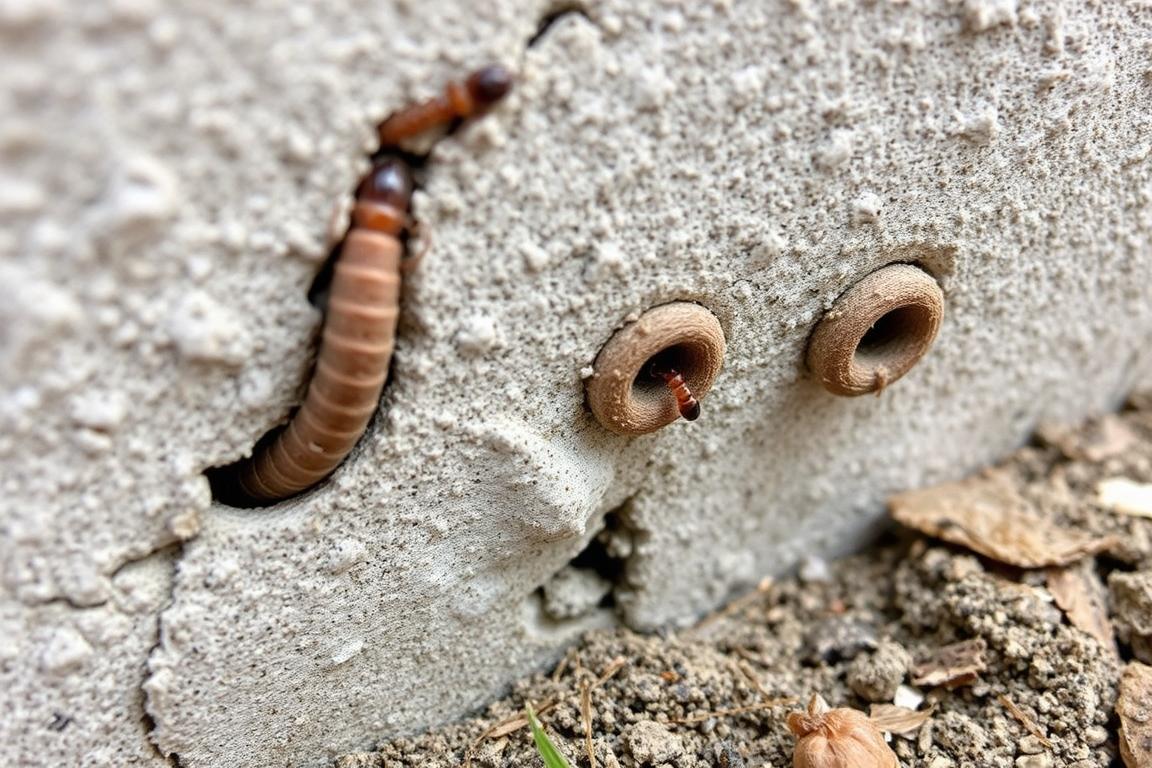
The seasonal snowmelt and spring rains create temporary spikes in soil moisture that can trigger increased termite movement and activity. This moisture allows termites to build their distinctive mud tubes—protective tunnels that shield them from predators and dehydration as they travel between their colony and food sources.
Seasonal Termite Risks in Boise
Each season in Boise presents different termite-related challenges for homeowners. Understanding these seasonal patterns allows you to implement timely prevention strategies and know when to be most vigilant for signs of termite infestation in Boise ID.
Spring: Swarming Season
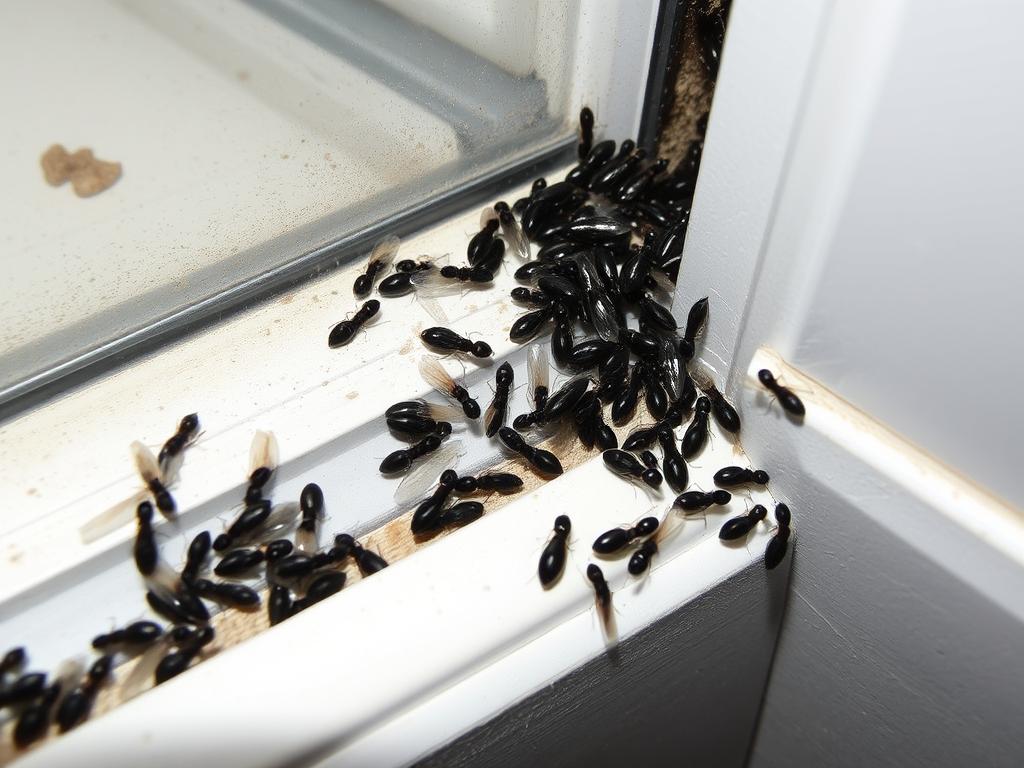
As temperatures consistently rise above 70°F and following spring rains, mature termite colonies release swarmers (winged reproductive termites). These swarmers emerge to establish new colonies, often between March and May in Boise. Finding discarded wings near windows, doors, or light fixtures is a classic sign that swarmers have been active in your home.
The increased soil moisture from melting snow and spring precipitation creates ideal conditions for subterranean termites to expand their territory. This makes spring a critical time for homeowners to inspect their properties for signs of termite activity.
Summer: Peak Feeding Activity
Boise’s warm summer temperatures accelerate termite metabolism, leading to increased feeding activity. During this period, established colonies consume wood at their highest rates, potentially causing significant structural damage in a shorter timeframe.
The contrast between Boise’s hot, dry summer days and irrigated landscapes creates moisture gradients that can attract termites to homes. Properties with sprinkler systems, gardens, or pools may inadvertently create termite-friendly environments if water management isn’t properly addressed.
Fall: Preparation Period
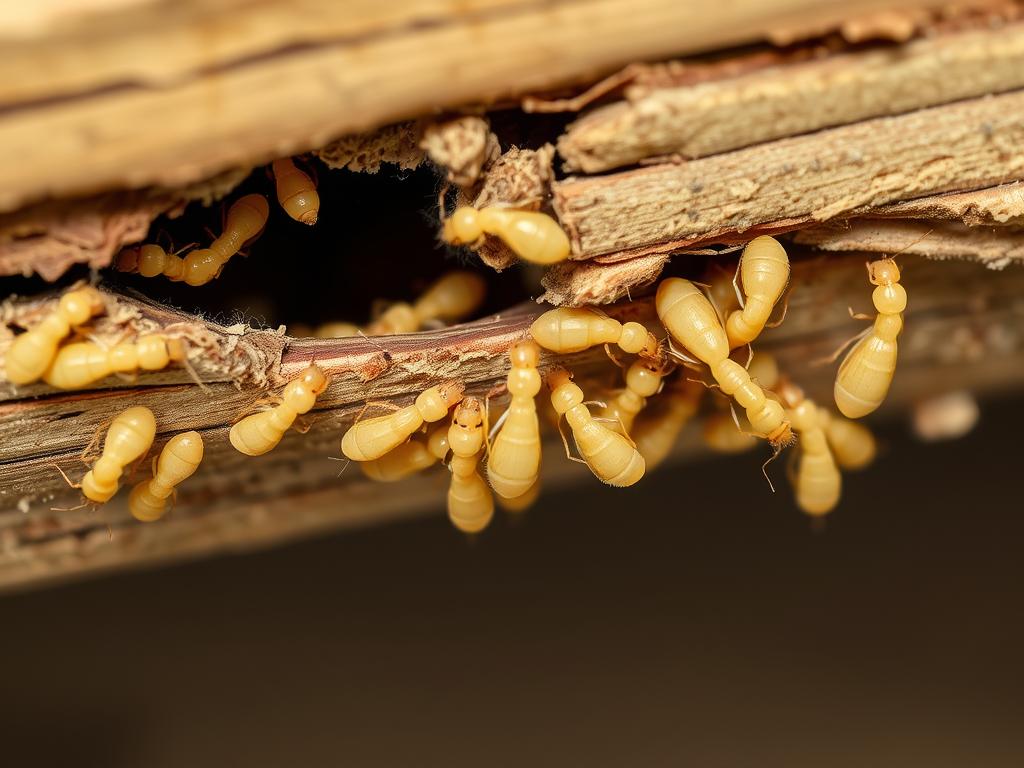
As temperatures begin to cool in September and October, termites prepare for winter by gathering food and strengthening their colonies. This can lead to a final push of feeding activity before the colder months arrive. Fall is also when termites may seek entry into homes to escape the coming cold.
The seasonal transition makes fall an excellent time for preventative treatments, as termites are still active but beginning to concentrate in their primary nesting areas. Professional treatments applied during this period can effectively target colonies before they hunker down for winter.
Winter: Hidden Activity
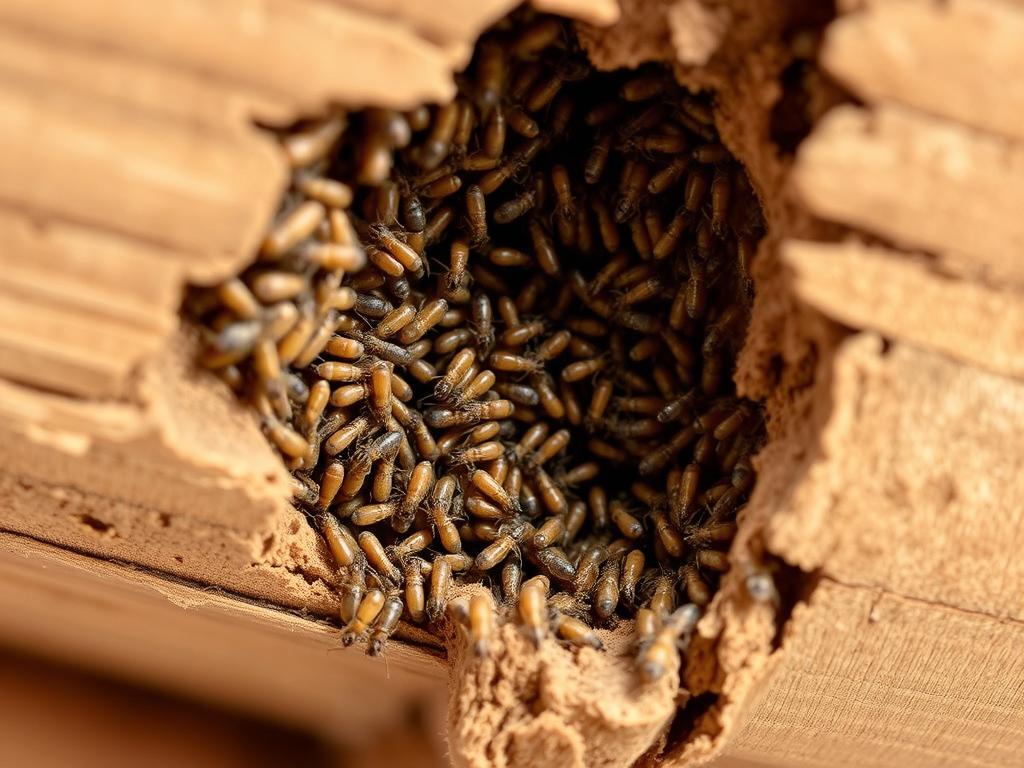
During Boise’s cold winters, subterranean termites retreat deeper into the soil where temperatures remain more stable. While this reduces their visible activity, colonies inside heated homes may continue to feed throughout winter, albeit at a slower rate.
The snow cover that often blankets Boise in winter can actually insulate the soil, preventing deep freezing and allowing termite colonies to survive. Additionally, the eventual snowmelt provides moisture that can trigger increased activity as temperatures begin to rise in late winter.

Local Weather Phenomena and Termite Behavior in Boise
Specific weather events in Boise can dramatically influence termite behavior, creating both increased risks and opportunities for prevention. Understanding these local weather-termite interactions helps homeowners anticipate and address potential problems.
Drought Conditions and Increased Foraging
Boise has experienced several significant drought periods in recent years, creating unexpected termite challenges for homeowners. During extended dry spells, termites must search farther for moisture sources, often leading them directly to homes with irrigation systems or internal plumbing.
Local pest control experts report that following drought periods, homes with automatic sprinkler systems often see a 30-40% increase in termite activity near foundation perimeters. The stark contrast between dry soil and irrigated areas creates a beacon effect, drawing termites toward the artificial oasis your home provides.
During drought conditions, termites also become more aggressive in their search for cellulose food sources, potentially causing more rapid structural damage once they locate suitable wood. This makes drought periods a critical time for homeowners to implement moisture management strategies and consider professional termite inspections.
Effects of Heavy Snowfall on Subterranean Termite Colonies
Boise’s winter snowfall creates unique conditions that affect termite colony survival and spring activity. The snow layer acts as an insulating blanket over the soil, preventing the ground from freezing deeply enough to kill termite colonies. Instead, this insulation allows colonies to survive with minimal energy expenditure.
When this snow melts in late winter and early spring, it creates a surge in soil moisture that coincides with rising temperatures—perfect conditions for termite activity. Years with heavy snowfall followed by rapid spring warming have been correlated with increased swarming activity and new colony formation in the Boise area.
Homes with poor drainage around foundations are particularly vulnerable following snowmelt, as the saturated soil creates highways for termite movement. The combination of moisture and warming temperatures can trigger earlier-than-normal swarms, sometimes catching homeowners unprepared for the annual termite season.
Weather-Specific Termite Prevention Strategies
Protecting your home from termite infestation in Boise ID requires adapting your prevention strategies to local weather patterns. These practical approaches address the specific ways that Boise’s climate influences termite behavior.
Spring Prevention Focus
- Gutter Maintenance: Clear gutters before spring rains to prevent water accumulation near your foundation.
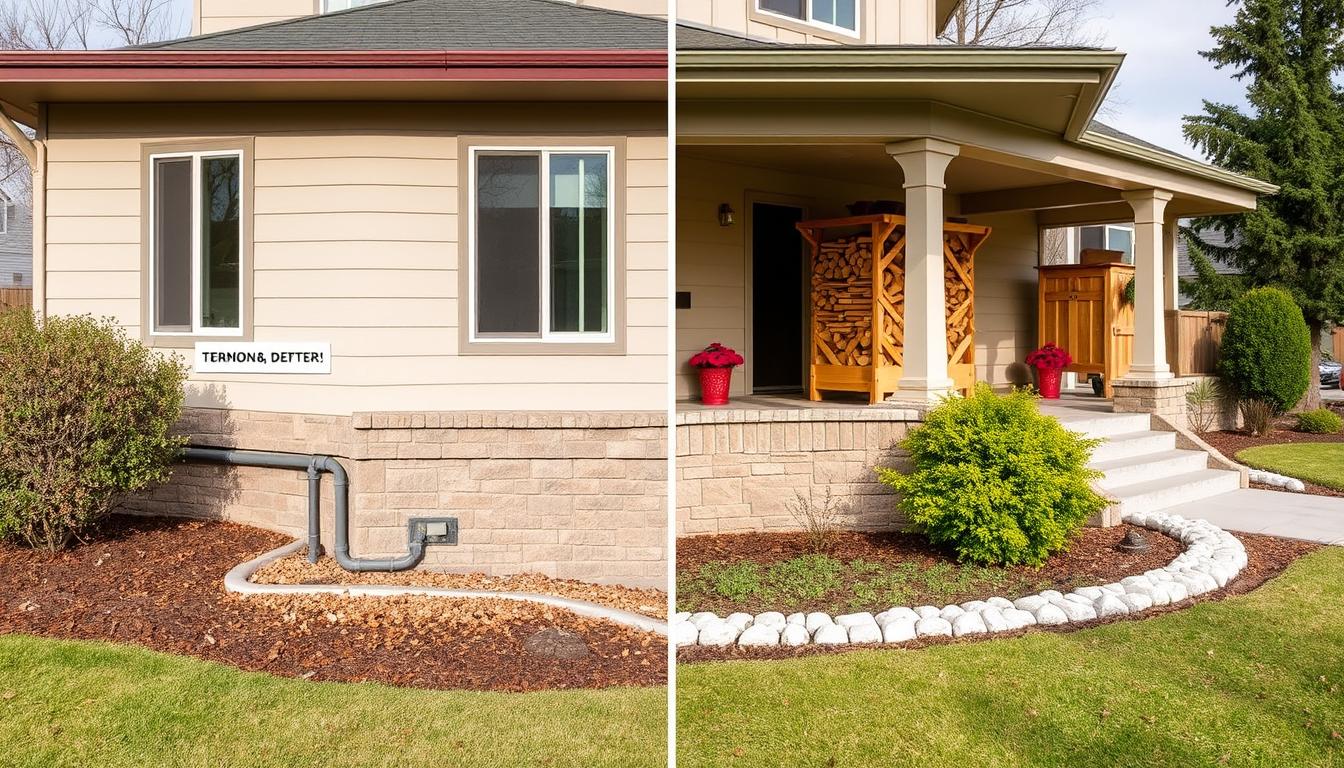
- Mulch Management: Keep mulch at least 6 inches from your foundation, as wet mulch creates ideal conditions for termites during spring moisture.
- Swarm Vigilance: Install fine mesh screens on vents and check window seals to prevent swarmers from entering your home during peak swarming season.
- Spring Inspection: Schedule a professional termite inspection as temperatures begin to consistently exceed 70°F to catch early signs of activity.
Summer Drought Strategies
- Irrigation Control: Adjust sprinklers to prevent water from hitting your foundation directly during Boise’s dry summer months.
- Foundation Perimeter: Create a dry zone of 12-18 inches around your foundation using gravel or other non-cellulose material.
- Wood Contact Elimination: Ensure no wooden elements of your home contact the soil, as this creates a direct highway for termites seeking moisture and food.
- Leak Repairs: Promptly fix any plumbing leaks that might create moisture pockets attractive to termites during drought conditions.
Fall Preparation Tactics
- Wood Storage: Keep firewood elevated and at least 20 feet from your home to prevent it from becoming a termite bridgehead as colonies prepare for winter.
- Crack Sealing: Seal foundation cracks before winter to eliminate entry points for termites seeking warmer environments.
- Soil Treatment Timing: Consider preventative soil treatments in fall when termites are still active but consolidating their colonies.
- Leaf Management: Remove leaf accumulation near your foundation, as decomposing leaves hold moisture and attract termites.
Winter Monitoring Methods
- Snow Clearing: Keep snow from piling against your foundation to reduce the insulation effect that protects termite colonies.
- Indoor Humidity Control: Maintain proper indoor humidity levels (30-50%) to prevent condensation that could create favorable conditions for termites inside your home.
- Basement Inspection: Regularly check basement and crawlspace areas during winter for signs of termite activity, as these heated areas may support continued termite feeding.
- Drainage Planning: Plan and implement drainage improvements during winter to be ready for spring snowmelt.
Protect Your Home Before Spring Swarm Season
Our expert technicians understand how Boise’s unique weather patterns affect termite behavior. Schedule a comprehensive inspection today to identify and address potential termite threats before spring swarm season begins.
Weather-Related Signs of Termite Infestation in Boise ID
Certain weather conditions in Boise can make termite evidence more apparent or trigger behavior that makes infestations easier to spot. Learning to recognize these weather-related warning signs can help you identify problems early.
After Spring Rains
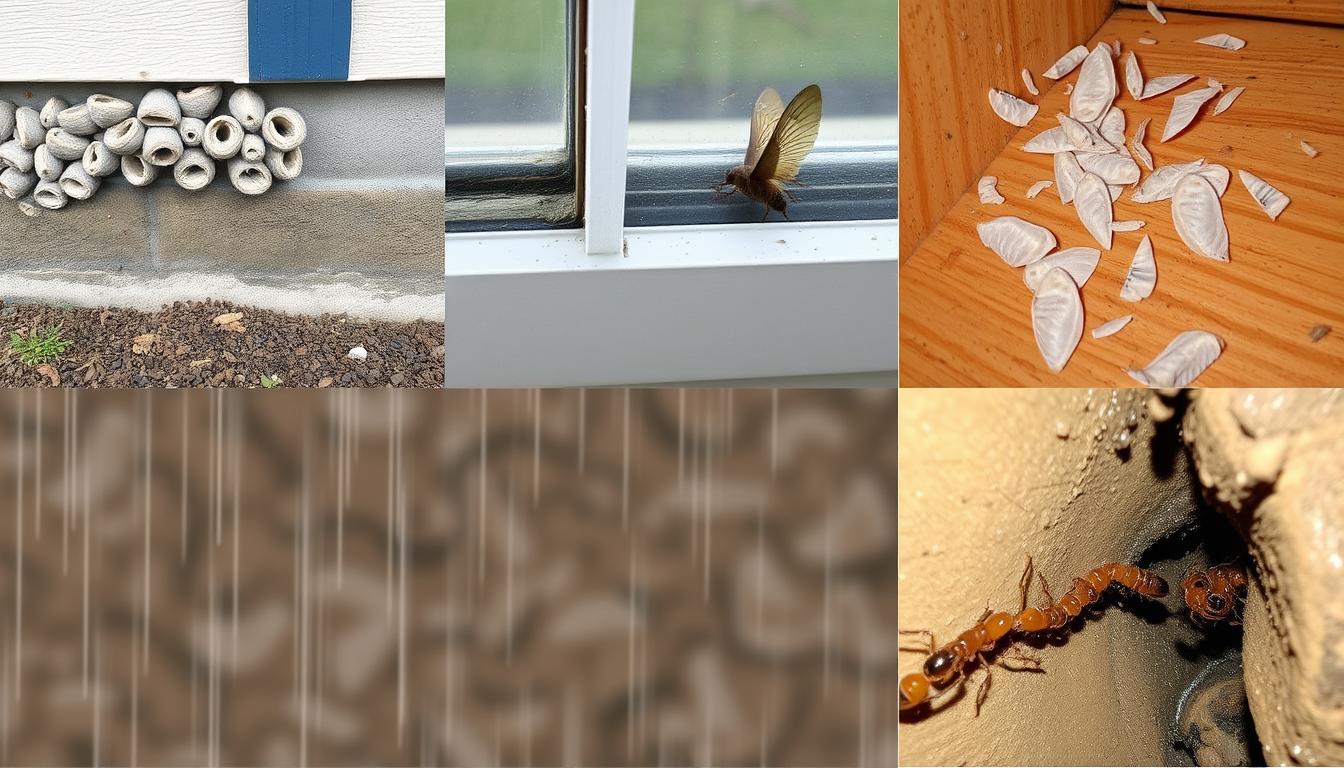
- Fresh Mud Tubes: New or repaired mud tubes appearing on foundations after rain indicate active subterranean termites taking advantage of increased soil moisture.
- Swarmers Emergence: Winged reproductive termites often emerge 1-3 days after significant spring rainfall when combined with temperatures above 70°F.
- Soft Wood Areas: Wooden structures that become unusually soft after getting wet may indicate termite damage that has compromised the wood’s integrity.
During Summer Heat
- Buckling Wood: Extreme temperature fluctuations can cause termite-damaged wood to warp or buckle more noticeably during summer heat.
- Frass Accumulation: Increased termite activity during warm periods leads to more visible frass (termite droppings) near damaged wood.
- Hollow-Sounding Wood: Wood that sounds hollow when tapped may indicate termites have been feeding inside, a condition that becomes more apparent as wood dries and contracts in summer heat.
Following Drought Periods
- New Interior Activity: Sudden appearance of termites inside homes during drought can indicate colonies seeking moisture sources.
- Foundation Mud Patches: Unusual mud patches appearing on foundations during dry periods suggest termites are working harder to maintain moisture as they travel.
- Concentrated Activity: Termite activity becoming concentrated near irrigation systems or plumbing leaks during drought conditions.
“The most telling sign of termite problems often appears after weather transitions—particularly from dry to wet conditions or cold to warm. These transition periods trigger significant termite movement and repair activities that make infestations more detectable to the observant homeowner.”
Boise Case Study: Weather-Triggered Termite Damage
The following real-world example from a North End Boise neighborhood illustrates how specific weather patterns can accelerate termite damage and why timely intervention is crucial.
The Situation
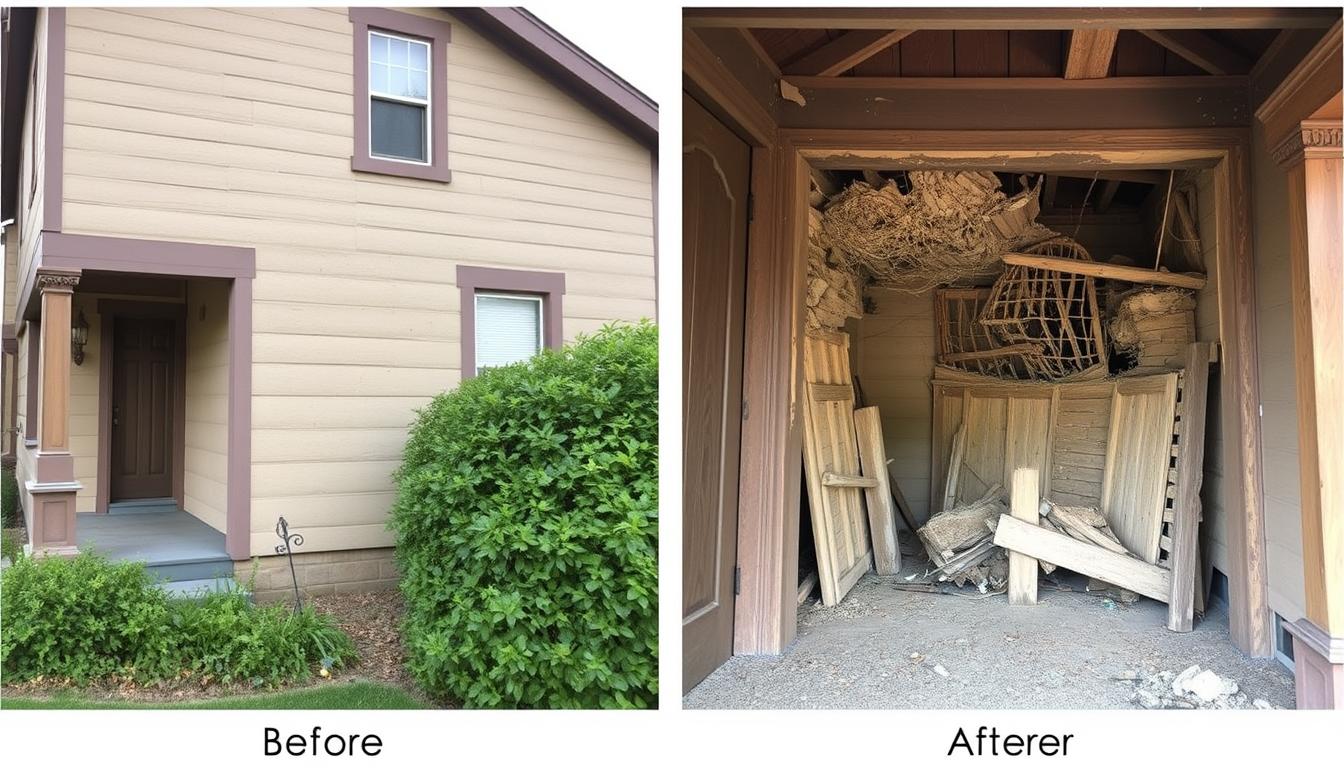
In 2022, a homeowner in Boise’s North End discovered extensive termite damage during a kitchen renovation. The damage was concentrated around the home’s south-facing foundation, extending upward into floor joists and wall studs. What made this case notable was the rapid progression of the damage—structural elements that had been sound during a minor repair just 18 months earlier were now severely compromised.
The Weather Connection
Analysis of the situation revealed a perfect storm of weather conditions that had accelerated termite activity:
- A severe summer drought had forced termite colonies to search farther for moisture sources.
- The homeowner had increased garden irrigation near the foundation during this drought period.
- An unusually heavy snowfall the following winter had insulated the soil and protected the expanding colony.
- An early and rapid spring warm-up had triggered increased feeding activity before the homeowner would typically have been looking for signs of termites.
The Outcome
The repair costs exceeded $27,000, substantially more than what preventative treatment would have cost. Following remediation, the homeowner implemented a comprehensive termite prevention plan specifically designed to address Boise’s seasonal weather patterns, including improved drainage, moisture barriers, and scheduled professional inspections timed to seasonal termite activity peaks.
Important Note: This case illustrates how quickly termite damage can accelerate when weather conditions align to favor termite activity. What might normally take years to develop can sometimes occur in just a few seasons under the right conditions.
When to Seek Professional Help for Termite Infestation in Boise ID
While preventative measures are essential, certain situations call for immediate professional intervention. Understanding when to call in experts can save you from extensive damage and costly repairs.
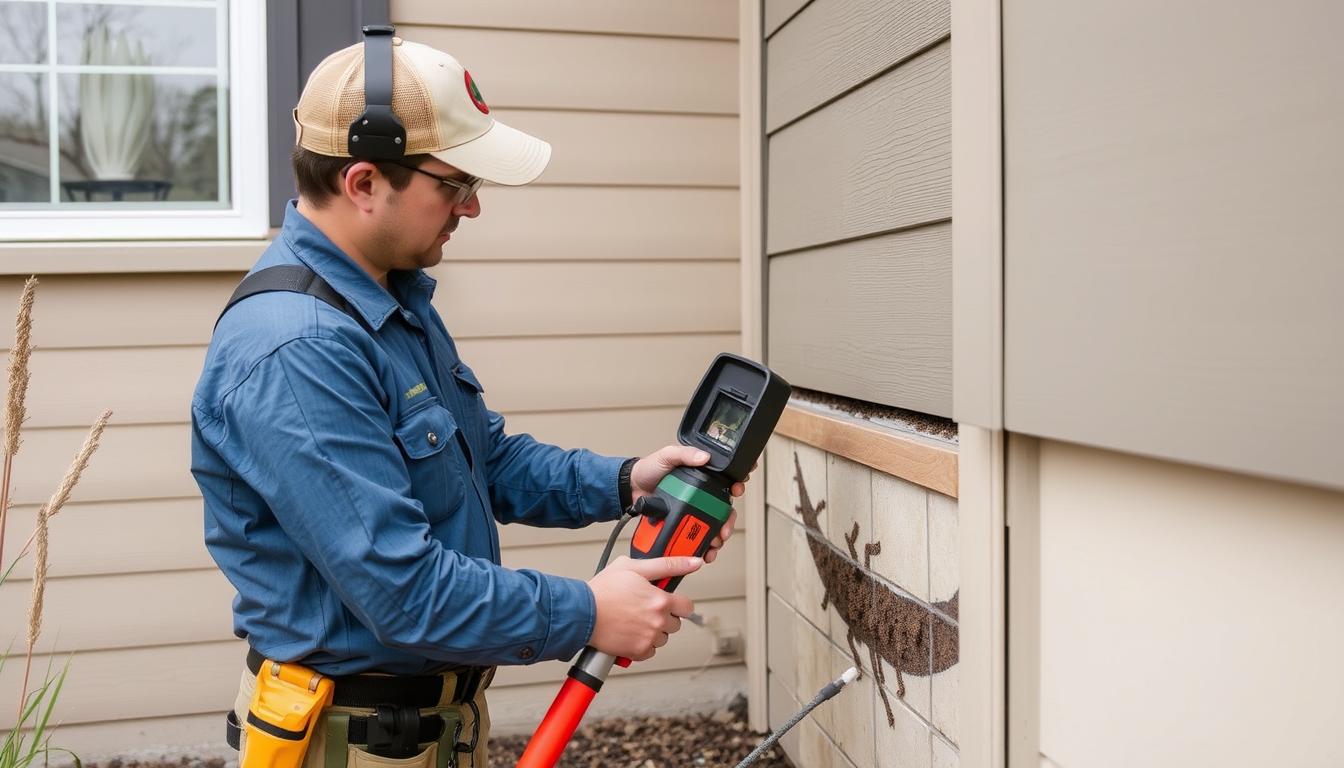
Weather-Related Scenarios Requiring Expert Assessment
- After Unusual Weather Patterns: Significant deviations from normal seasonal patterns, such as exceptionally wet springs or unusually warm winters, can trigger atypical termite behavior.
- Following Major Weather Events: Heavy rainfall, flooding, or prolonged drought can displace termite colonies and drive them toward homes.
- Seasonal Transition Periods: The transitions from winter to spring and summer to fall are particularly active times for termites in Boise and ideal for professional inspections.
- Before Renovation Projects: If you’re planning renovations, especially after a period of unusual weather, have a professional inspection to identify any hidden termite damage.
- When Purchasing a Home: Always get a professional termite inspection when buying a home in Boise, particularly if the sale occurs during or after weather conditions favorable to termite activity.
- If Neighbors Report Termites: Termite colonies can span large areas underground. If neighbors report termite activity, especially after weather events, your property may also be at risk.
What Professional Termite Services Include
Professional termite services in Boise typically include comprehensive inspections, customized treatment plans, and preventative measures specifically designed to address local weather-related termite challenges:
| Service Component | Weather-Related Focus | Benefit to Homeowner |
| Comprehensive Inspection | Identification of moisture issues and weather-vulnerable areas | Early detection before seasonal termite activity peaks |
| Soil Treatment | Application timed to maximize effectiveness based on soil temperature and moisture | Long-lasting barrier against subterranean termites |
| Bait System Installation | Strategic placement based on seasonal termite movement patterns | Colony elimination before weather triggers increased activity |
| Wood Treatment | Protection of vulnerable wood elements exposed to seasonal moisture | Reduced risk of infestation during high-activity periods |
| Preventative Recommendations | Customized advice for Boise’s specific seasonal challenges | Proactive protection aligned with local weather patterns |
For immediate assistance with weather-related termite concerns
Protecting Your Boise Home Through Every Season
Understanding the relationship between Boise’s weather patterns and termite activity empowers you to protect your home more effectively. By implementing season-specific prevention strategies and knowing when to seek professional help, you can significantly reduce the risk of termite infestation in Boise ID.
Remember that termites are constantly adapting to local conditions, making ongoing vigilance essential. The weather-related signs and prevention strategies outlined in this guide provide a foundation for year-round termite defense, but professional expertise remains your strongest ally in this effort.
Don’t Wait Until Termites Strike
Before spring swarm season begins, ensure your home is protected against weather-related termite threats. Our local experts understand Boise’s unique climate challenges and can provide customized prevention strategies for your property.
How quickly can weather changes trigger termite activity in Boise?
Termites can respond to weather changes surprisingly quickly. After spring rains, increased termite activity can be observed within 24-48 hours as soil moisture levels rise. Temperature shifts above 70°F can trigger swarming events within days, especially following precipitation. This rapid response to weather conditions is why seasonal awareness and timely prevention are so important for Boise homeowners.
Are certain Boise neighborhoods more susceptible to weather-related termite problems?
Yes, some Boise neighborhoods do face higher risks based on specific microclimate factors. Older neighborhoods like the North End and East End often have mature trees and established wooden structures that provide ideal termite habitats. Areas near the Boise River, such as parts of Garden City and Southeast Boise, may experience higher soil moisture levels that support larger termite populations. Additionally, neighborhoods with irrigation systems and extensive landscaping can create moisture conditions that attract termites during drought periods.
Related TermiteHQ guide: expert review process.
Related TermiteHQ guide: compare termite treatments.
Related TermiteHQ guide: termite treatment cost estimator.
Related TermiteHQ guide: termite damage repair calculator.
Related TermiteHQ guide: termite inspection guide.