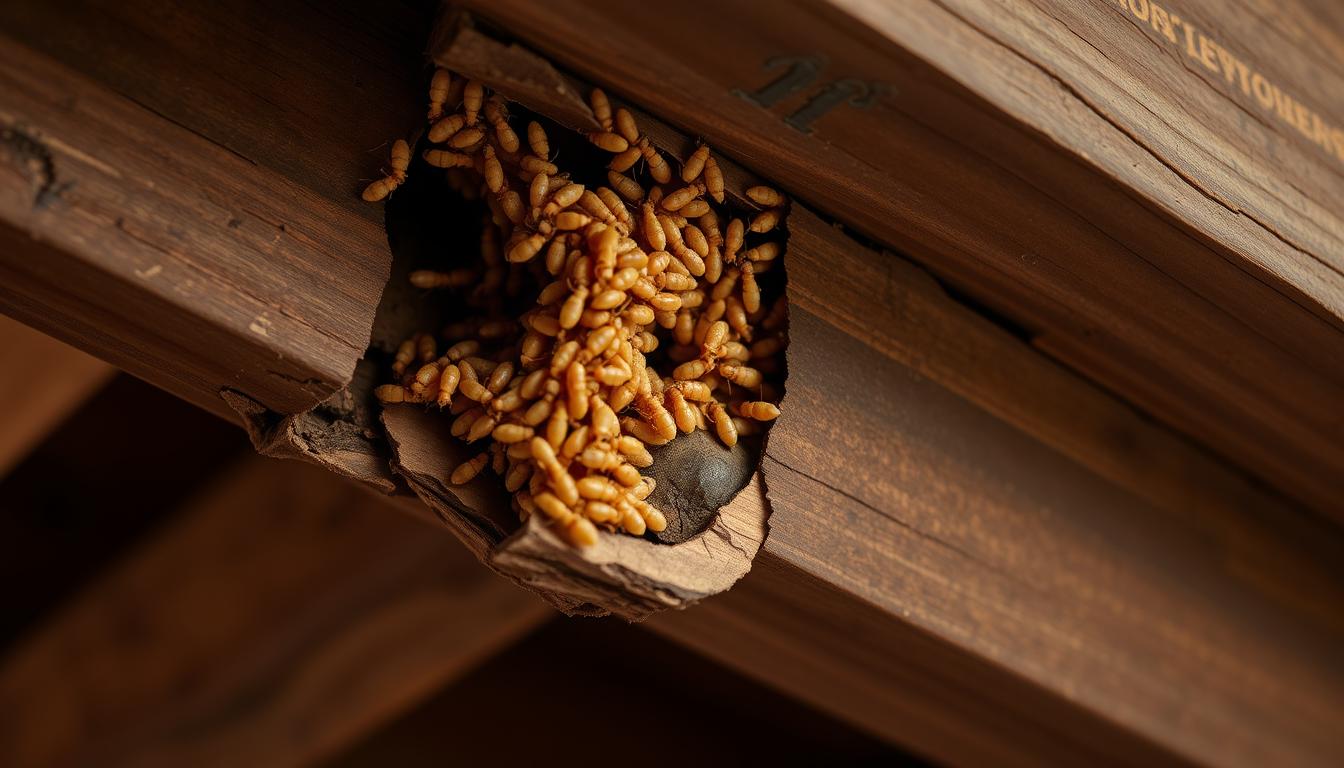
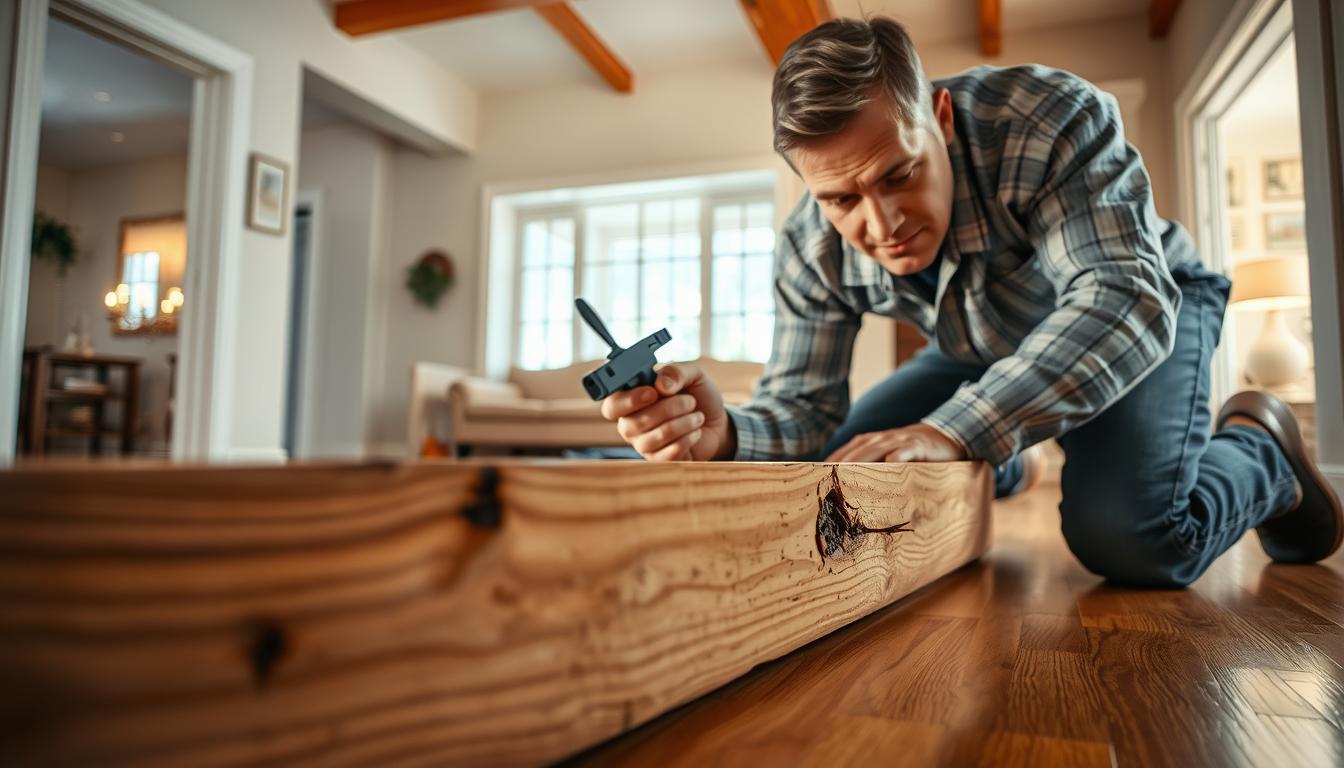



Hidden beneath floors and behind walls, destructive pests cause more property damage than fires and storms combined. Subterranean colonies work 24/7, often undetected for years, while homeowners face repair bills averaging $3,000-$15,000 per incident. This staggering financial threat demands solutions that match termites’ relentless biology.
Modern pest management offers two distinct strategies for colony elimination. Innovative bait stations disrupt insect growth cycles through scientifically formulated compounds, while barrier applications create protective shields around structures. Both approaches have transformed property protection standards, but their effectiveness varies based on soil conditions and infestation severity.
Choosing between these methods requires understanding their operational timelines and ecological impacts. Some solutions work within weeks by targeting reproductive patterns, while others provide immediate physical barriers. Maintenance needs differ dramatically too – from quarterly inspections to annual reapplications.
Key Takeaways
Contents
- 1 Overview of Termite Control Options
- 2 Understanding Termite Control: Bait Stations vs. Liquid Treatments
- 3 Detailed Comparison: Sentricon termite bait system vs Termidor liquid treatment
- 4 Installation, Monitoring, and Maintenance Considerations
- 5 Environmental Impact and Safety Considerations
- 6 Cost, Effectiveness, and Long-Term Protection
- 7 FAQ
- 7.1 Which method works faster for eliminating active infestations?
- 7.2 Are bait stations safer for homes with children or pets?
- 7.3 How often do these systems need maintenance checks?
- 7.4 Which option provides longer-lasting protection?
- 7.5 Can weather conditions affect these treatments differently?
- 7.6 Do these methods harm beneficial insects or plants?
- 7.7 What upfront costs should homeowners expect?
- 7.8 Which solution is better for detecting hidden colonies?
- Determine infestation severity before selecting colony elimination strategies
- Compare installation processes for minimal property disruption
- Assess environmental factors influencing treatment longevity
- Evaluate monitoring requirements for ongoing protection
- Consider regional pest behavior patterns in solution selection
Overview of Termite Control Options
The financial toll of termite damage in the U.S. surpasses $5 billion annually, a hidden crisis for homeowners. These silent destroyers compromise structural integrity while often evading detection for years. Proper management isn’t just about elimination – it’s about safeguarding your most valuable investment through science-backed strategies.
Why Prevention Matters
Subterranean colonies operate like underground armies, tunneling up to 300 feet for food sources. One mature colony can consume a 2×4 wooden board in six months. Early intervention prevents cascading damage that impacts insurance eligibility and property resale value. Modern solutions address both existing infestations and future risks through tailored approaches.
Modern Defense Strategies
Today’s pest management offers three primary protection tiers:
| Method | Application | Protection Duration | Best For |
|---|---|---|---|
| Soil Treatments | Creates protective chemical barriers | 5-10 years | New constructions |
| Monitoring Systems | Targets colony reproduction cycles | Ongoing | Existing infestations |
| Combined Approaches | Layered defense mechanisms | Customizable | High-risk properties |
Your choice depends on factors like soil composition and building materials. Clay-heavy soils may require different solutions than sandy substrates. Integrated pest management combines inspection frequency with treatment types for optimal results.
Understanding Termite Control: Bait Stations vs. Liquid Treatments
Homeowners face a critical decision when defending their properties: immediate protection or strategic colony elimination. Two distinct philosophies shape modern pest management, each with unique biological mechanisms and operational timelines.
How Liquid Treatments Work
Perimeter defense strategies rely on creating chemical barriers using diluted termiticides. Professionals apply 100-200 gallons of solution around foundations, forming an invisible shield. When wood-destroying insects contact this zone, the fast-acting formula stops them within minutes.
This approach offers instant results but has ecological nuances. The rapid elimination can sometimes cause colonies to redirect activity rather than collapse entirely. Regular inspections ensure the barrier remains intact, particularly near concrete cracks or plumbing penetrations.
Principles Behind Bait Station Systems
Strategic placement defines this method. Installers position monitoring devices every 10 feet around properties, using cellulose materials laced with slow-acting compounds. Foragers carry these substances back to nests through normal feeding behaviors.
The delayed effect serves a crucial purpose. It allows toxic agents to spread through entire social structures, reaching reproductive members over weeks. This biological domino effect disrupts colony growth cycles at their source, preventing future infestations.
Both methods require professional implementation but differ in maintenance needs. Barrier applications demand periodic renewal, while bait systems need ongoing monitoring. Your local soil type and construction details often determine which solution works best.
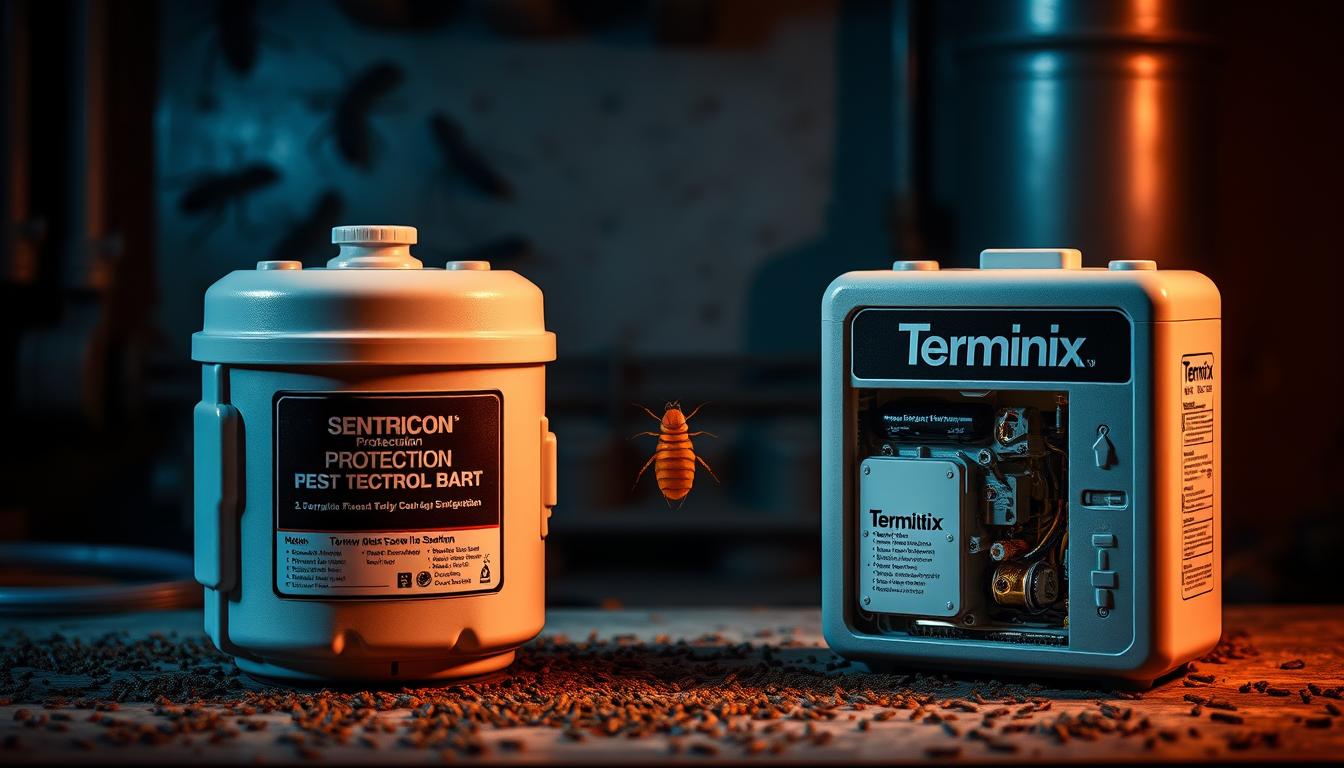
Detailed Comparison: Sentricon termite bait system vs Termidor liquid treatment
Understanding pest control solutions requires examining their biological warfare strategies. Two leading approaches attack colonies through different physiological pathways, each with distinct timelines and ecological footprints.
Mechanism of Action and Colony Impact
One method uses an insect growth regulator that halts developmental processes. The active ingredient binds to receptors responsible for molting, causing immature specimens to perish during growth phases. This gradual approach ensures the substance spreads through food-sharing networks, ultimately reaching reproductive members.
Contrastingly, liquid solutions employ a neurotoxic compound undetectable to pests. Foragers carry microscopic particles back to nests through routine grooming behaviors. The transfer effect disrupts neural functions across all colony castes, creating rapid population declines.
Speed of Control and Effectiveness
While both methods achieve near-total eradication, their timelines reflect different strategic goals. Growth inhibitors typically require 60-90 days to collapse entire social structures. Neurotoxic barriers demonstrate visible results faster but may need supplemental applications for complete colony elimination.
| Feature | Growth Regulation | Neurotoxic Barrier |
|---|---|---|
| Primary Target | Developmental Cycles | Nervous System |
| Colony Impact | Gradual Collapse | Rapid Population Drop |
| Best Application | Established Infestations | Preventative Protection |
Property owners should consider soil composition and existing damage levels when choosing between these science-backed solutions. Both approaches require professional installation but offer different advantages for long-term structural protection.
Installation, Monitoring, and Maintenance Considerations
The path to lasting protection lies in understanding installation nuances and long-term upkeep demands. Modern solutions vary dramatically in their physical footprint and operational rhythms, requiring careful alignment with your property’s layout and lifestyle needs.
Installation Techniques: Non-Invasive vs. Trenching
Minimally invasive methods preserve landscapes through targeted placements. Specialists drill narrow holes at precise intervals around foundations, inserting discreet monitoring stations flush with the ground. These require no heavy machinery or permanent alterations to hardscapes.
Contrasting approaches involve excavating deep trenches around entire structures. This process often disrupts gardens, walkways, and irrigation systems. Workers must navigate utility lines and architectural features while applying treatments, sometimes requiring post-installation repairs.
Ongoing Monitoring Requirements
Continuous protection demands different engagement levels. Some systems need quarterly inspections by certified professionals to assess activity and replenish materials. Technicians document consumption patterns at individual stations, adjusting strategies based on real-time data.
Alternative methods prioritize initial intensity over frequent follow-ups. Annual checkups typically suffice after establishing protective barriers, though soil composition and weather patterns can affect longevity. Homeowners should avoid landscaping changes near treatment zones to maintain efficacy.
| Factor | Discreet Systems | Trench-Based Methods |
|---|---|---|
| Landscape Impact | Minimal disruption | Significant excavation |
| Professional Visits | Quarterly | Annual |
| Structural Modifications | None | Drilling through concrete |
Environmental Impact and Safety Considerations
Protecting ecosystems while safeguarding homes presents modern pest management’s greatest challenge. Two distinct approaches emerge when balancing eradication effectiveness with environmental responsibility. Let’s examine how these methods interact with natural systems and household safety.
Eco-Friendly Aspects of Baiting Systems
A leading pest control solution earned the EPA’s highest environmental honor for its innovative design. This approach uses 99% less active ingredient than traditional methods. Tamper-resistant stations keep chemicals contained, preventing soil saturation and groundwater exposure.
Coastal properties and flood-prone areas particularly benefit from this strategy. The system’s closed design prevents chemical migration during heavy rains or irrigation. It also eliminates risks to beneficial insects and nearby vegetation through targeted deployment.
Potential Risks of Liquid Termiticides
Soil-drenching techniques require hundreds of gallons of chemical solution per application. In permeable soils, these substances can reach water sources within 36 months. Properties near wells or rivers face heightened contamination risks from such treatments.
Application processes create temporary exposure risks for residents and pets. Unlike contained systems, liquid barriers remain vulnerable to environmental degradation. Heavy rainfall accelerates chemical breakdown, reducing protection timelines in wet climates.
| Feature | Baiting Systems | Liquid Applications |
|---|---|---|
| Chemical Quantity | Ounces per property | Gallons per property |
| Water Contamination Risk | Low | Moderate-High |
| Ideal Locations | Waterfront properties | Arid regions |
| Safety for Sensitive Groups | Child/pet friendly | Requires evacuation |
Cost, Effectiveness, and Long-Term Protection
Investing in home protection involves more than upfront fees—it’s about sustainable defense. The smartest choices balance immediate expenses with decades of security. Let’s break down what truly matters when safeguarding your property.
Initial Investment and Maintenance Expenses
Monitoring systems typically cost less initially but require annual service fees between $200-$300. Professionals replenish materials during scheduled visits, ensuring continuous protection. Barrier methods demand higher setup costs but lower yearly upkeep, averaging $150-$275.
Alternative solutions for DIY enthusiasts exist but need proper equipment. These options might save $50-$75 initially but lack professional oversight. Always factor in hidden costs like landscaping repairs or future reinfestation risks.
Long-Term Performance and Warranty Coverage
Soil-applied barriers often last up to 10 years with proper maintenance. Many providers offer transferable warranties, adding value during property sales. Monitoring solutions adapt to changing colony behaviors but need quarterly inspections.
Your local climate and soil type influence longevity. Clay-rich earth retains treatments longer than sandy substrates. Review warranty terms carefully—some cover retreatments if pests breach defenses within the coverage period.
Ultimately, the right solution aligns with your budget and risk tolerance. Consult certified experts to assess your property’s unique needs before committing to a multi-year control strategy.
FAQ
Which method works faster for eliminating active infestations?
Liquid treatments like Termidor create immediate barriers, often showing results within days by repelling and killing termites on contact. Bait systems like Sentricon require termites to find and share the bait, which may take weeks but ultimately targets the entire colony.
Are bait stations safer for homes with children or pets?
Yes. Bait stations use enclosed designs that limit exposure to active ingredients, making them safer around kids and animals. Liquid treatments involve applying chemicals to soil, requiring temporary evacuation during installation.
How often do these systems need maintenance checks?
Bait stations require quarterly inspections to monitor activity and replace consumed bait. Liquid barriers typically last 5–10 years but benefit from annual inspections to detect soil gaps or chemical degradation.
Which option provides longer-lasting protection?
Liquid treatments offer continuous protection for up to a decade with proper application. Bait systems provide ongoing defense through colony elimination and monitoring but depend on regular professional maintenance.
Can weather conditions affect these treatments differently?
Heavy rain or soil disruption may dilute liquid termiticides over time. Bait stations remain unaffected by weather but require strategic placement to intercept termite foraging paths regardless of seasonal changes.
Do these methods harm beneficial insects or plants?
Liquid treatments can impact non-target organisms if improperly applied. Bait systems specifically target termites through colony-wide sharing of growth regulators, minimizing ecological collateral damage.
What upfront costs should homeowners expect?
Bait systems often have higher initial installation fees due to equipment and labor. Liquid treatments generally cost less upfront but may require more frequent reapplication in high-risk areas over time.
Bait stations double as monitoring tools, helping professionals locate hidden nests through termite activity patterns. Liquid barriers focus on creating protective zones but don’t provide colony detection features.